
Season 1
5 episodes Jul 5, 1989 7.3
- 1 The Seinfeld Chronicles
- 2 The Stake Out
- 3 The Robbery
- 4 Male Unbonding
- 5 The Stock Tip
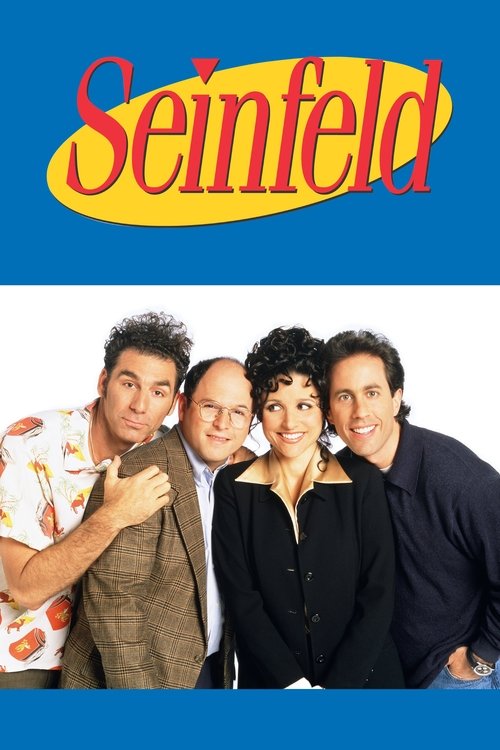
“A show about nothing.”
A stand-up comedian and his three offbeat friends weather the pitfalls and payoffs of life in New York City in the '90s. It's a show about nothing.
Latest episode: S9 E24 The Finale (2) (May 14, 1998)


Showing 100 of 163 episodes
I've never liked calling Seinfeld "a show about nothing." It's a marketable line that misses the point. latestnetflix.com's view is that Jerry Seinfeld and Larry David weren't filming a void.
They were cataloging the tiny abrasions of everyday life with absurd precision. Decades after its 1989 debut, it's clearer than ever that the show is about the grinding inconvenience of having to share the world with other people. Anybody who has tried to split a diner check with a messy group already knows there is no such thing as "nothing."
The engine is an emotional shortfall. David's famous "no hugging, no learning" rule became the DNA of all nine seasons, and the bleakness is half the fun. These people do not grow or improve.
George Costanza, David's bald, sweating on-screen stand-in, lies himself into holes and then lies some more trying to climb out. It's cynical but weirdly honest. Most of us have a little George in us; he's just shameless enough to display it.
"A brilliantly constructed 'show about nothing' whose sharp writing and unforgettable characters make it one of the most rewatchable sitcoms ever, despite a polarizing finale and some dated jokes."
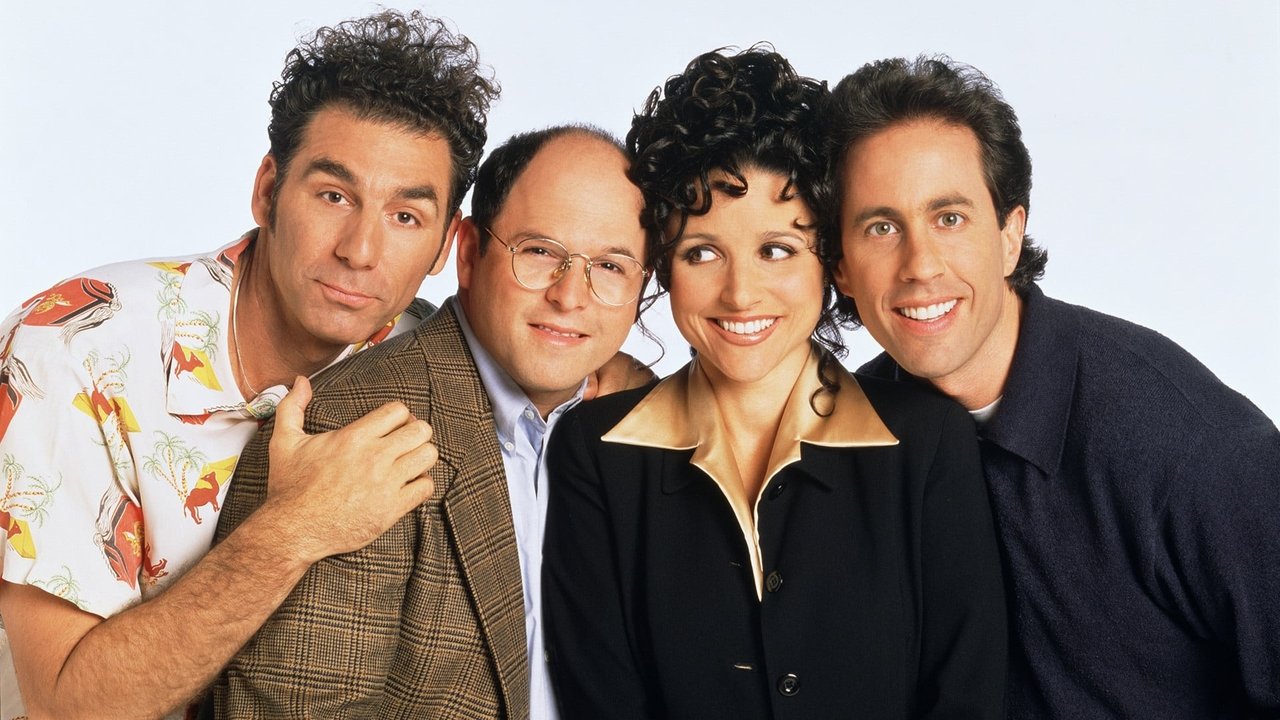
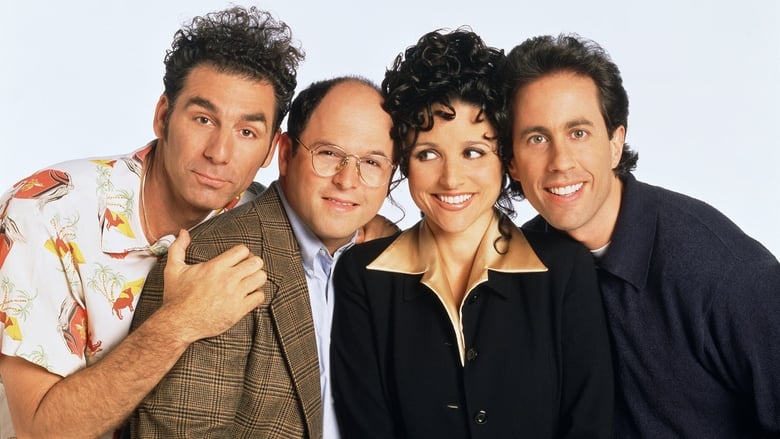
Sharp observational humor, tightly interwoven plots, and the chemistry between Jerry, George, Elaine, and Kramer are comedy gold decades later. Many call it timeless, though others find the characters too selfish, the tone too cynical, and the legendary status overblown, especially when encountering dated or offensive material and the widely disliked final episode.
For a sitcom proudly “about nothing,” Seinfeld sure left behind a trail of something: screaming matches, almost-quit moments, banned episodes, real-life scandals, and a romance that still gets Jerry roasted online. latestnetflix.com's read is that Grab a bowl of cereal—here’s the gossip NBC couldn’t fit into 22 minutes.
Entertainment rumors and trivia aggregated from public reporting. Treat speculation as unverified unless a cited source confirms it.
More titles in the same genres and with the same cast.