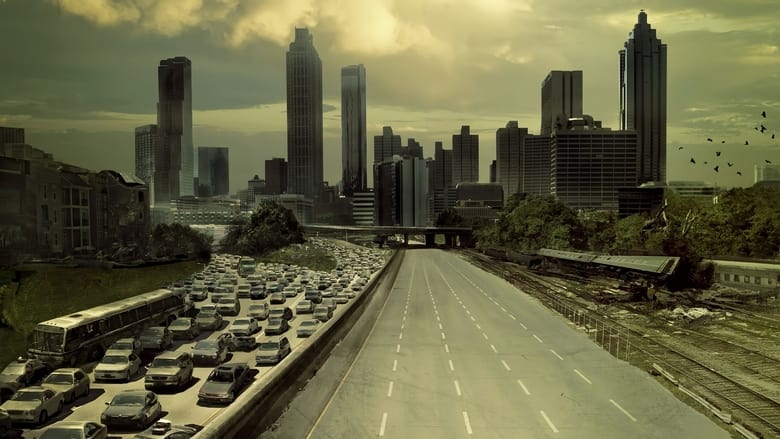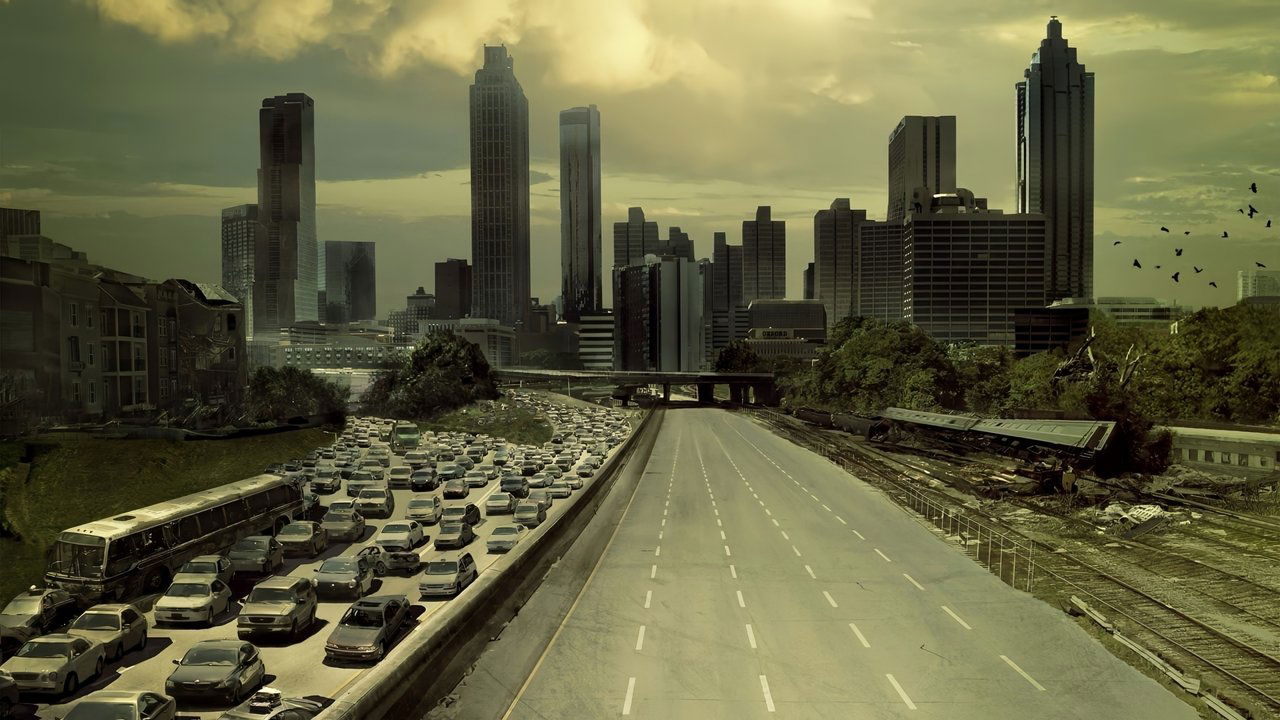
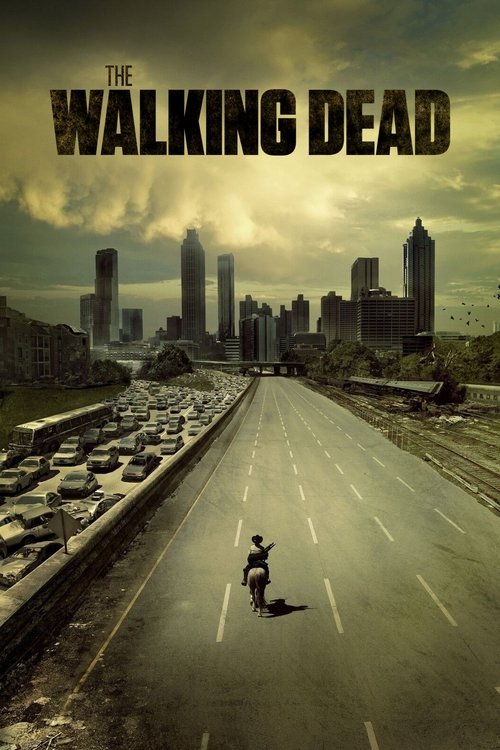
The Slow Decay of the End of the WorldWhat I remember first about *The Walking Dead* is not the gore. It's the quiet. When Frank Darabont brought Robert Kirkman's comic to television in 2010, he didn't open with chaos. He opened with absence: a man waking in a hospital after the world has already slipped away. That choice was both simple and terrifying. TV horror wasn't usually this patient, this expensive-looking, or this sad. Tim Goodman at *The Hollywood Reporter* called it "a serious, cinematic enterprise," and those early episodes really do carry that kind of weight. They make you sit with dread instead of racing you toward the next scream.

By the time the series reached 11 seasons and 177 episodes, the conversation around it had obviously changed. The undead stopped feeling novel; the cruelty of the living took over. People used to wonder when the survivors would finally find somewhere safe. Eventually it became clear that safety was never the point. (If I'm being slightly rude, the point was also that AMC knew it had a giant franchise and was in no hurry to stop.) Strip away the spin-offs and fatigue, though, and the core remains a bruising study of what prolonged trauma does to people. The walkers are basically weather. The real damage happens inside the survivors.

Melissa McBride embodies that better than anyone. Carol Peletier begins the show curled inward, voice small, body apologizing for taking up space while her abusive husband looms over her. Several seasons later, the same woman seems forged from iron. Her spine straightens. Her eyes stop darting. In the later scene with the flowers and the impossible decision involving a child, McBride avoids melodrama entirely. Her jaw hardens, her voice barely shifts, and the horror comes from how practiced Carol has become at the arithmetic of survival. She doesn't simply adapt to the apocalypse; she lets it settle into her bones.

Norman Reedus comes at the same idea from a different angle with Daryl Dixon, the show's most valuable invention outside the comics. Reedus had long specialized in fringe-dwelling oddballs, all suspicion and edges, and he channels that into someone wary, loyal, and half-feral. Daryl stalks more than he walks. He squints through his hair. Even the way he holds the crossbow feels defensive, like he is trying to keep the whole species at arm's length. Did the show always know what to do with Carol, Daryl, or anyone else once the world got bigger and baggier? Not really. But the actors never let the grief become abstract. They keep reminding you that the end of the world here is not a single event. It's the long erosion afterward.