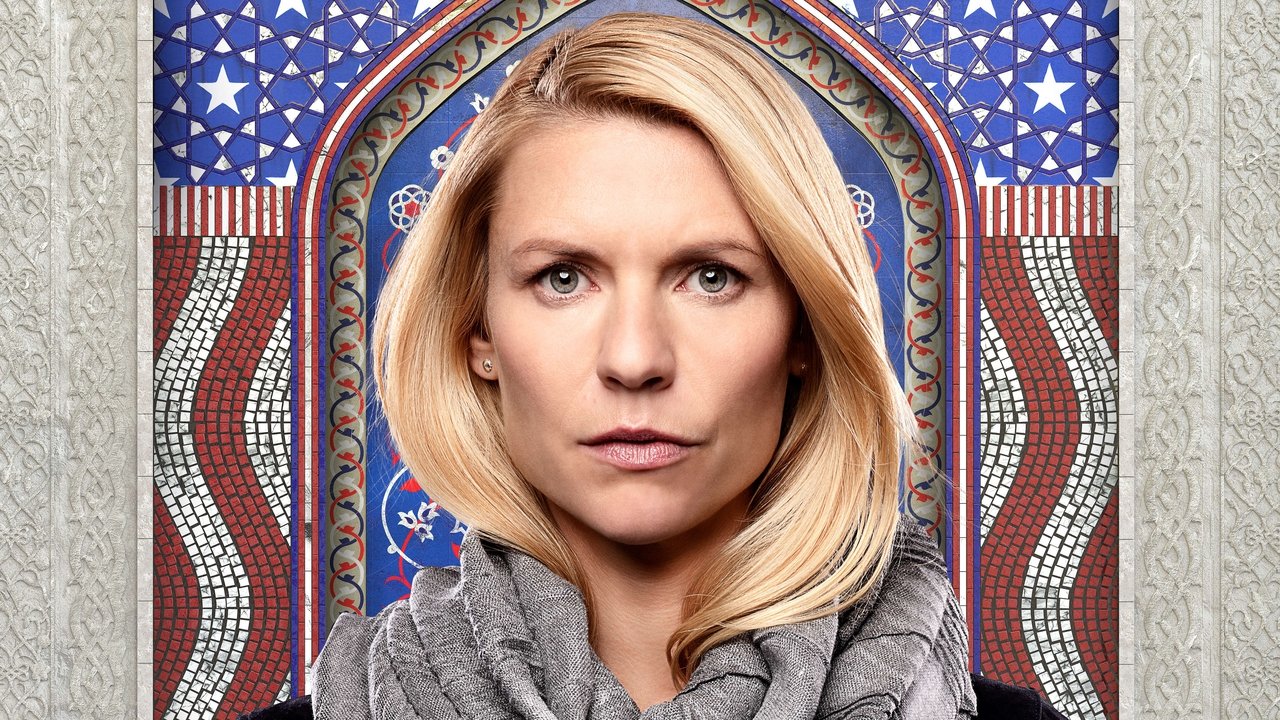

The Architecture of ParanoiaThe moment *Homeland* clicked for me had nothing to do with an explosion. After years of *24* training us to expect clocks, shouting, and adrenaline as the language of counterterrorism television, Howard Gordon and Alex Gansa opened this 2011 series with something much stranger: Carrie Mathison alone in the dark, eating yogurt, staring at a hidden-camera feed of a sleeping man. It was unnerving in a way action TV rarely is. A little obsessive, a little sad, completely riveting.

Adapted from the Israeli series *Prisoners of War*, the premise feels both wildly dramatic and very specific to the post-9/11 American imagination. Nicholas Brody (Damian Lewis) comes home after eight years as a POW. The country greets him as a hero. Carrie, a CIA officer who suspects he may be an Al-Qaeda sleeper agent, cannot let the idea go. The catch is that she is also secretly managing bipolar disorder, off the books, while her superiors already see her as unstable. The early episodes get their electricity from that uncertainty: is Carrie seeing what nobody else can, or is her mind turning fear into pattern?
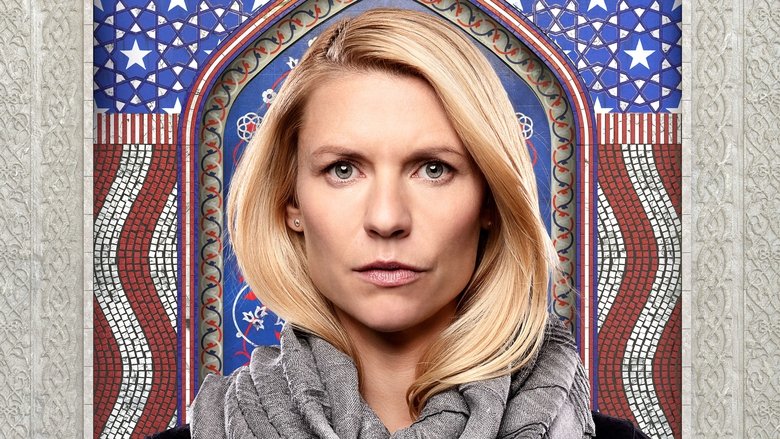
Claire Danes is the reason the question keeps gnawing at you. It's easy to reduce the performance to the visible tics—the trembling chin, the pacing, the surges of manic focus—but what lingers is how physically stripped-down she lets Carrie become. Danes reportedly watched late-night YouTube diaries of manic episodes while preparing, and you can feel that lonely, unvarnished research in the work. When Carrie is mapping connections across her living room wall, she does not read as heroic genius. She looks like someone whose thoughts are moving faster than her body can safely contain. Todd VanDerWerff at *The AV Club* once wrote that one smile from Danes could show "the many ways in which Carrie's brain is prone to breaking." That's exactly right. The illness is tangled up with both her brilliance and the damage it leaves behind.

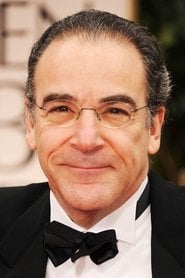
Mandy Patinkin gives the series its conscience, or maybe its exhaustion. Saul Berenson could have been a stock mentor. Instead Patinkin plays him like a man worn thin by knowledge. (I still get a small jolt remembering that Inigo Montoya eventually turned into television's saddest intelligence veteran.) He rarely needs volume. A stare, a clenched jaw, a pause before answering—those do most of the work. Saul seems to carry the burden of every secret room he has ever entered, and Patinkin makes that weariness feel almost holy.
The show's blind spots, though, are real and sometimes impossible to shrug off. It often blurs the line between political critique and stereotype, especially in the way it portrays the Middle East. The *Washington Post* was not being reckless when it called the series "the most bigoted show on television." Nor is the plotting always as disciplined as the pilot suggests; now and then it slips into melodrama, using geopolitics as flashy set dressing for soapier turns than the material can support.

Even so, the machinery is hard to shake. Late in the first season there is a scene after an explosion where the soundtrack drops away and we stay trapped in Carrie's concussed perspective, watching debris and panic move through a haze of ringing silence. She keeps trying to seize control even as her body refuses to cooperate. That is *Homeland* in one image: the belief that chaos can be mastered if you are vigilant enough, ruthless enough, right enough. You do not watch it to feel reassured. You watch it to see what that kind of vigilance costs.