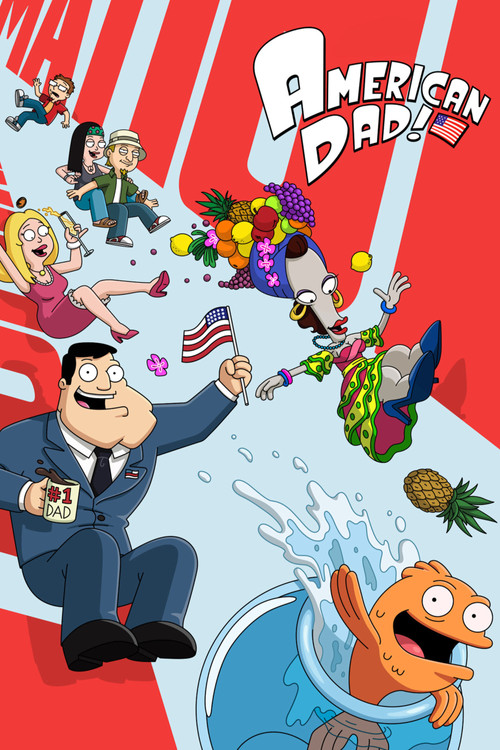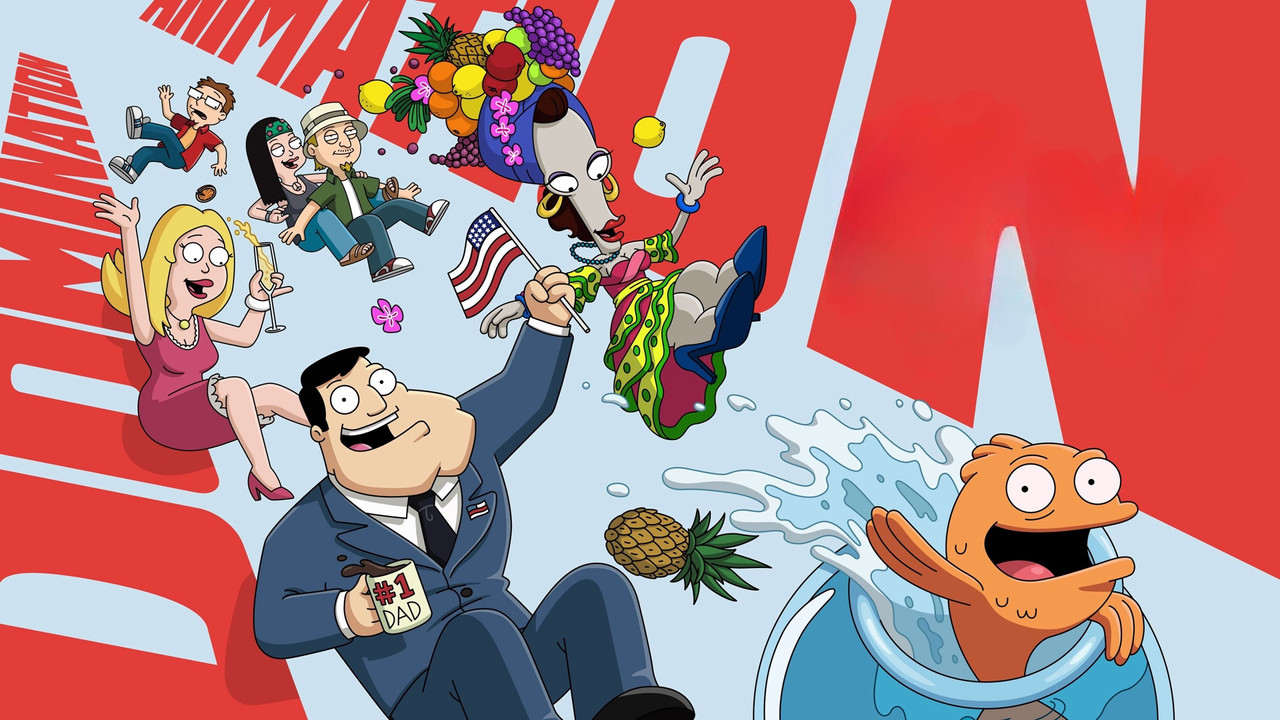

The Chaos of ConformityI'm always a little wary of animated sitcoms that outlast the political moment that produced them. When *American Dad!* arrived in 2005, it felt blunt by design. Seth MacFarlane, Mike Barker, and Matt Weitzman built it out of post-9/11 anxiety, with Stan Smith as a hard-right CIA obsessive and Hayley as his unapologetically liberal daughter. It was a domestic argument wired directly into the Bush years, basically *All in the Family* in cartoon form. At first, that was enough to keep it moving.

The problem with topical comedy is that it curdles fast. At some point the writers seemed to realize they couldn't keep living off that original satire, and the show quietly turned into something stranger and much better. The rigid left-right setup loosened. The series stopped leaning on headlines and started feeding on the deranged inner lives of its own characters. Where *Family Guy* often survives on cutaway chaos, *American Dad!* got funnier by trapping a bunch of damaged weirdos in the same suburban box and letting them ricochet off each other. The animation stays stiff and standardized—flat colors, safe angles, the usual sitcom template—but that stiffness becomes its secret weapon. The more ordinary the backdrop looks, the harder the lunacy hits.
A lot of that comes down to the voice cast, especially Scott Grimes as Steve. Grimes is not just a comic voice actor; he's a performer with real dramatic heft and an actual pop-rock singer's control. If you know him from *Band of Brothers*, it's funny to hear all that earnest intensity rerouted into a teenage boy who can barely survive a conversation with a girl without combusting.

You can hear the show's weird confidence in the episode "Rubberneckers." Steve launches into this aching, D’Angelo-style R&B number, and Grimes doesn't half-do it. He pushes his tenor right to the edge, like Steve honestly believes a slow jam is a workable strategy for puberty. The animators meet him there. Steve sweats. His face twists up. His eyes bulge, the capillaries going pink-red from the effort. It's a stupid joke on paper—an adolescent crush taken way too far—but the sheer physical commitment of the singing and the drawing makes it weirdly mesmerizing.
The rest of the household runs on that same trapped-in-your-own-bit energy. Dee Bradley Baker voices Klaus, the former East German Olympic ski jumper whose brain the CIA dumped into a goldfish. Baker, a guy famous for monsters and creature sounds, uses his college German background to give Klaus this clipped, bitter little rhythm, like the character is forever trying to claw dignity back from inside a bowl. Every line sounds resentful. Every joke is a plea for attention nobody plans to give him.

And then there's Roger, obviously—the drunken, pansexual alien in the attic, forever stepping into some hyper-specific persona and acting like a wig is airtight social camouflage. Roger is the show's chaos engine, pure appetite in human clothes, a creature who can commit actual murder and still breeze past it if the disguise is good enough. Kevin McFarland wrote in *The A.V. Club* that the series runs on a "near maniacal desire to live up to the standards" of America's self-told lies. That feels dead on. The Smiths want so badly to look like a stable, respectable 1950s family that they simply absorb the alien and the talking fish into the household rulebook.
If that much cynicism wears you down, fair enough. These characters almost never improve, and the show doesn't especially want them to. But that's part of what makes it sting. *American Dad!* long ago stopped parodying individual politicians. It turned into a comedy about denial itself—the frantic, everyday labor of pretending everything is normal while the living room is already on fire.