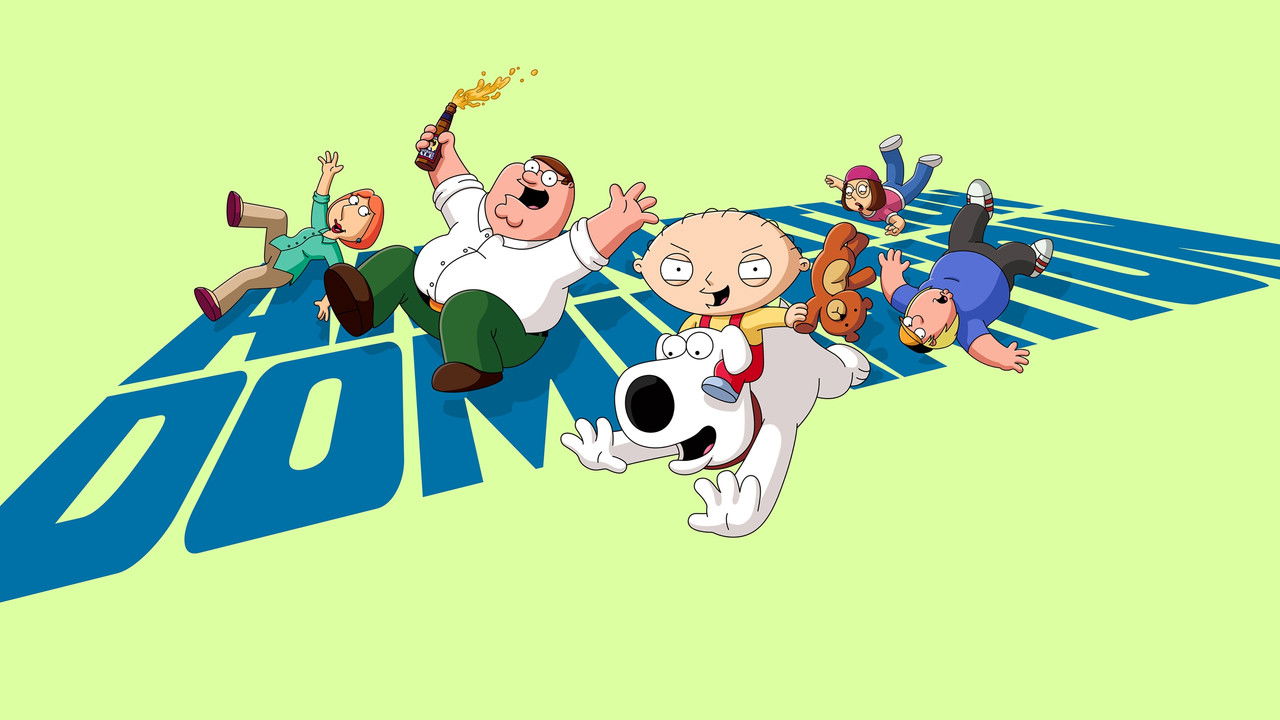
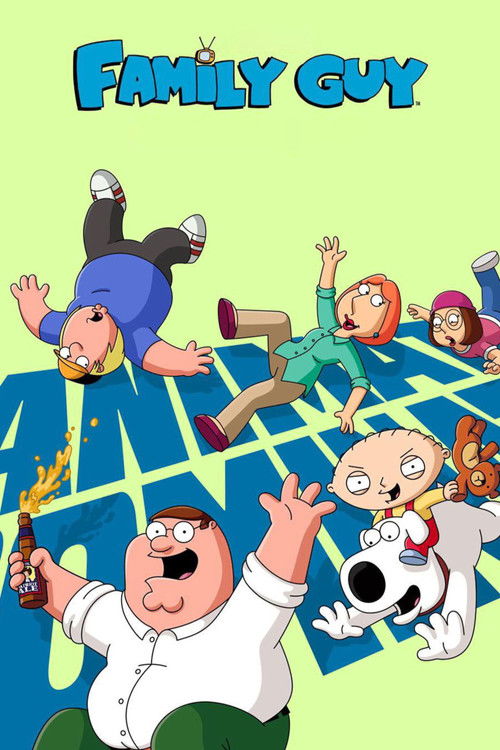
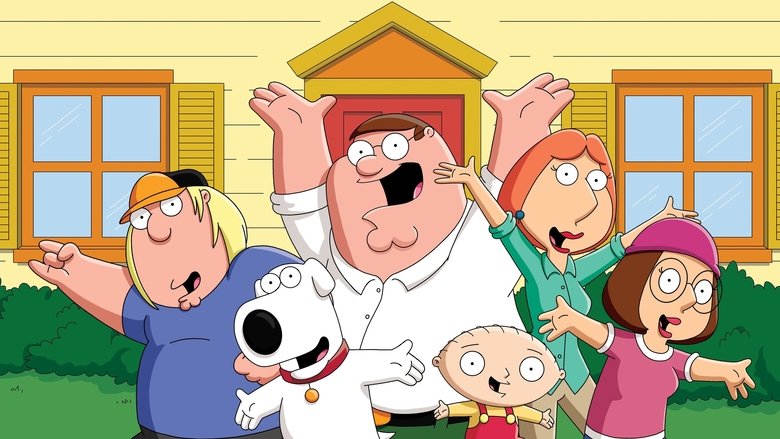
Sick, twisted, politically incorrect and Freakin' Sweet animated series featuring the adventures of the dysfunctional Griffin family. Bumbling Peter and long-suffering Lois have three kids. Stewie (a brilliant but sadistic baby bent on killing his mother and taking over the world), Meg (the oldest, and is the most unpopular girl in town) and Chris (the middle kid, he's not very bright but has a passion for movies). The final member of the family is Brian - a talking dog and much more than a pet, he keeps Stewie in check whilst sipping Martinis and sorting through his own life issues.
Seasons
25 listed
Status
Returning Series
Seasons
24 seasons
Episodes
456 episodes
First aired
Jan 31, 1999
Last aired
May 17, 2026
Network
FOX
Latest episode:S24 E15 High School History (May 17, 2026)
Season 1
7 episodes Jan 31, 1999 7.2
Meet the Griffins: Peter, the big loveable oaf who always says what's on his mind. Lois, the doting mother who can't figure out why her baby son keeps trying to kill her. Their daughter Meg, the teen drama queen who's constantly embarrassed by her family. Chris, the beefy 13-year-old who wouldn't hurt a fly, unless it landed on his hot dog. Stewie, the maniacal one-year-old bent on world domination. And Brian, the sarcastic dog with a wit as dry as the martinis he drinks. The animated adventures of this outrageous family will have your whole family laughing out loud.
Season 2
21 episodes Sep 23, 1999 7.3
Season 3
22 episodes Jul 11, 2001 7.0
In this hilarious third season, the Griffin family faces all-new dilemmas, including Brian's unintentional foray into directing porn, Stewie's rants on national TV, Meg's date with a nudist and Lois' Yuletide insanity. Meanwhile, Peter is surprised to discover Lois was once a groupie, and his son, Chris, is more "endowed" than he is.
Season 4
30 episodes May 1, 2005 7.0
The wildly irreverent, shrewdly crude animated sensation that has been confounding the PC police since the last millennium is back! Not even the insufferable humiliation of network cancellation was enough to keep "TV's most outrageous cartoon clan" down. So raise your martini glasses in unison as "Family Guy" returns with a vengeance for more hilarious episodes that find Peter going blind, Lois in prison, Meg getting a makeover, Chris befriending a talking zit, Stewie smitten with his sitter, and Brian winning the heart of "The Bachelorette".
Season 5
18 episodes Sep 10, 2006 7.1
The hilarity continues this season when Brian and Stewie hit the road in search of Rupert, Stewie's teddy bear, after he's accidentally sold at a garage sale.
Season 6
12 episodes Sep 23, 2007 7.2
Season 7
16 episodes Sep 28, 2008 7.0
Season 8
20 episodes Sep 26, 2009 6.8
Stewie and Brian travel through alternate universes in an homage to "Sliders," spies Dan Aykroyd and Chevy Chase (guest-voicing as themselves) move into Cleveland's old house and Stewie scores tickets to a Hannah Montana concert.
The first time I saw Family Guy, it felt like somebody had slipped a contraband channel into the TV lineup. It was 1999, and animation was already crowded with families trying to catch some of the electricity The Simpsons had generated. Seth MacFarlane's show didn't feel elegant enough to be an heir and didn't seem interested in being one anyway.
It was rougher, faster, and much more eager to short-circuit itself for the next dumb idea. Watching it was like handing a sugared-up insomniac a remote and letting him ricochet through decades of American pop culture.
I'm still not sure that structure was meant to be innovative so much as the natural expression of a restless brain. MacFarlane built the pilot when he was barely out of college, armed mostly with voices, nerve, and no instinct whatsoever for behaving politely. (The fact that Stewie's weirdly posh homicidal accent came from Rex Harrison tells you a lot about the bizarre stew he was drawing from.) What he ended up doing was breaking the sitcom on purpose.
Peter, Lois, Meg, Chris, Brian, and Stewie weren't just another dysfunctional TV family. They were suburbia run through a blender and served back as a joke.
And then there are the cutaways. You know exactly how they work: somebody says, "This is worse than the time I...," the scene slams sideways, and suddenly we're watching an unrelated mini-sketch with no obligation to the plot we just left. If you hate non-sequiturs, you were doomed from the start.
Audience Opinions
Audience 8.1/10
"A wildly influential adult cartoon whose early, clever seasons still shine far brighter than its harsher, more tired later years."
Early seasons are praised for sharp, inventive jokes, rich musical numbers, and a tightly written ensemble that made the show feel fresh and euphoric to binge. Newer seasons divide opinion: some still find them very funny, while others see a slide into lazy, shock-driven gags, copy‑paste plots, and meme-heavy references that lack the earlier spark. Throughout the run, the chemistry between Stewie, Brian, and the wider Griffin circle remains a core draw, even as tone and quality fluctuate.
What viewers praise
Classic era comedy highThe first decade, especially pre-2011, is remembered for clever writing, complex gags, and episodes that rank among the best animated comedy ever made.
Memorable character ensemblePeter, Lois, Stewie, Brian, Quagmire, Joe, Cleveland and others each bring a distinct comic angle that interlocks into a strong comedic rhythm.
Cutaways and running gagsRapid-fire cutaway jokes, pop-culture riffs, and elaborate set pieces became a signature style that delivers countless quotable moments.
Brian and Stewie focus episodesBottle episodes and Road to adventures built around Brian and Stewie are singled out as some of the smartest, most engaging stories in the series.
Common complaints
Sharp decline after peakFrom around the early 2010s onward, humor is often described as duller and more about gross-out or shock than the earlier clever setups.
Repetitive, uninspired seasonsRecent runs are criticized for copy‑and‑paste plotting, overused formulas, and reliance on stale internet memes once older reference wells ran dry.
Harsher character portrayalsCore characters that once felt flawed but funny are seen as increasingly miserable or cruel, making the tone feel more mean‑spirited than comedic.
Offensive and dated jokesStorylines involving trans characters and LGBTQ punchlines are called out as cringeworthy or hurtful, aging badly even for edgy comedy.
Recommended for
Adult animation completionists Early 2000s TV comedy fans Edgy gag-heavy humor lovers Stewie and Brian devotees Background comfort-show watchers Pop-culture reference junkies
Buzz & Rumors
Public reports
The Filthy Little Secrets of Quahog: Real-Life Gossip Behind Family Guy
You’ve seen Peter fall down the stairs and Stewie plot matricide. But the real chaos? That’s been happening offscreen. From lawsuits to awkward late-night confrontations and dark leaked endings, the world behind Family Guy is as messy as any cutaway gag.
Scandals & Legal Slap-Fights
Alexa Nikolas vs. Seth MacFarlane
Former Zoey 101 star Alexa Nikolas dropped a grenade on Twitter/X, alleging that Seth MacFarlane “hired me to abuse me” when she guest‑starred on Family Guy at 18. She’s since doubled down in interviews, accusing him of “predatory behaviour” and saying Family Guy helps “groom the public” to normalize abuse in Hollywood . These claims are serious but unproven allegations; MacFarlane has not publicly responded.
Carol Burnett’s $2 Million Charwoman Showdown
Comedy icon Carol Burnett was not laughing when Family Guy portrayed her signature Charwoman character mopping the floor of a porn shop. She sued 20th Century Fox for $2 million, claiming copyright infringement and violation of her rights. The court ultimately sided with Fox, ruling the bit was protected parody—but the lawsuit cemented the show’s reputation as a legal headache factory .
Cast Feuds, Hurt Feelings & Awkward TV
Linda Cardellini Calls Seth Out… To His Face
On The Late Late Show with James Corden, Linda Cardellini casually reminded Seth MacFarlane—who was sitting right next to her—that she’d been fired from Family Guy. She said she’d told everyone to tune in to her episode… only to discover she’d been replaced in the final cut. MacFarlane was forced to sit there and smile through the story while the audience howled. Career trauma, but make it late‑night comedy .
Patrick Warburton Draws the Line at Jesus
Patrick Warburton, the voice of Joe Swanson, has embraced a lot of offensive humor. But one crucifixion joke about Jesus was a bridge too far. He revealed he refused to participate in an episode that included a gag he called “horribly offensive” and not even clever—telling producers he wouldn’t record if the joke stayed in the script . The show is notorious for pushing boundaries; this is one of the rare times a cast member said, “Yeah, no.”
Casting Chaos & Controversy
Fired With No Warning: Lori Alan’s Bonnie Exit
In 2025, longtime Family Guy actor Lori Alan revealed she was abruptly let go after years voicing Bonnie Swanson. She said being fired “without warning” was “really tough” and admitted she “snapped” emotionally after the sudden exit . For fans, it confirmed what many suspected: in Quahog, nobody is safe—not even Joe’s wife.
Cleveland Steps Down
In 2020, Mike Henry announced he was stepping down from voicing Cleveland Brown, explaining that “persons of color should play characters of color” . The role later went to Black voice actor Arif Zahir. The change set off a wave of discourse about Family Guy’s history of race jokes and casting decisions.
The Meg Swap & Other Quiet Replacements
OG fans remember: Lacey Chabert was the original Meg before being replaced by Mila Kunis after Season 1, officially due to “time conflicts.” Fans still whisper that something more dramatic went down behind the scenes—though that remains pure fan speculation.
Romance Rumors & Creator Love Life
Emilia Clarke & the King of Cutaways
The unlikeliest crossover: Family Guy meets Game of Thrones. Seth MacFarlane and Emilia Clarke dated from around 2012 to 2013. Later coverage framed it as one of his rare confirmed romances, with insiders blaming long distance—she was filming in Europe while he was running an empire in LA—for the breakup .
A Rolodex of Rumors
Entertainment outlets and tabloid roundups have linked MacFarlane to a small army of actresses, including Amanda Bynes, Tamera Mowry, Eliza Dushku, Alexis Knapp, and more—though many of these remain unconfirmed tabloid rumor rather than publicly acknowledged relationships .
Does Seth Have a Secret Crush on Lois?
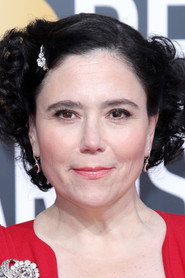
A persistent Reddit fan theory insists Seth MacFarlane has a long‑running crush on Alex Borstein, the voice of Lois. Fans point to their chemistry, the fact he fought studio execs to keep her as Lois, and their public appearances together as each other’s “date” at events like the Emmys . It’s never been confirmed—so file this under fun but unproven fan speculation.
Bans, Censorship & Leaked Endings
The Episodes Fox Doesn’t Want You to See (Much)
Family Guy has a rap sheet of censored and banned episodes:
“Partial Terms of Endearment” (abortion plot) was pulled from broadcast in multiple regions.
“When You Wish Upon a Weinstein” was originally axed over fears it would be seen as anti‑Semitic, only later resurfacing in rotation .
“Turban Cowboy” had footage altered after the Boston Marathon bombing due to an explosive car gag that suddenly looked way too real [11].
The Dark “Leaked Ending”
On Reddit and YouTube, fans obsess over a supposed “leaked ending” where it’s revealed Meg’s legal name is actually “Megatron Griffin,” after Peter allegedly changed her birth certificate as a prank. Clips and breakdowns call this leak “DARK” and treat it as canon, even as others point out continuity issues . This is very much fan‑circulated leak lore, but it’s become part of the show’s modern mythology.
Wild Trivia & Behind-the-Scenes Legends
IGInstagram·The chaotic production of Family Guy made televi…
Family Guy holds the chaotic honor of being one of the only animated series to be canceled, resurrected thanks to DVD sales and Adult Swim reruns, and then become a long‑running institution. Social media retrospectives call its early production “chaotic,” crediting fans with literally saving the show’s life [13].
Seth MacFarlane doesn’t just run the show—he is half the town: he voices Peter, Stewie, Brian, Quagmire, and more, which fans on TikTok and Instagram constantly marvel at in behind‑the‑scenes clips.
Quahog might be fictional, but the drama behind it? Very, very real.
Entertainment rumors and trivia aggregated from public reporting. Treat speculation as
unverified unless a cited source confirms it.