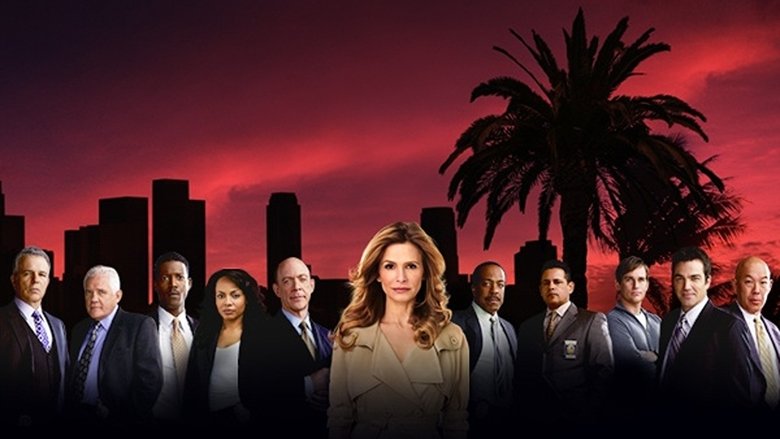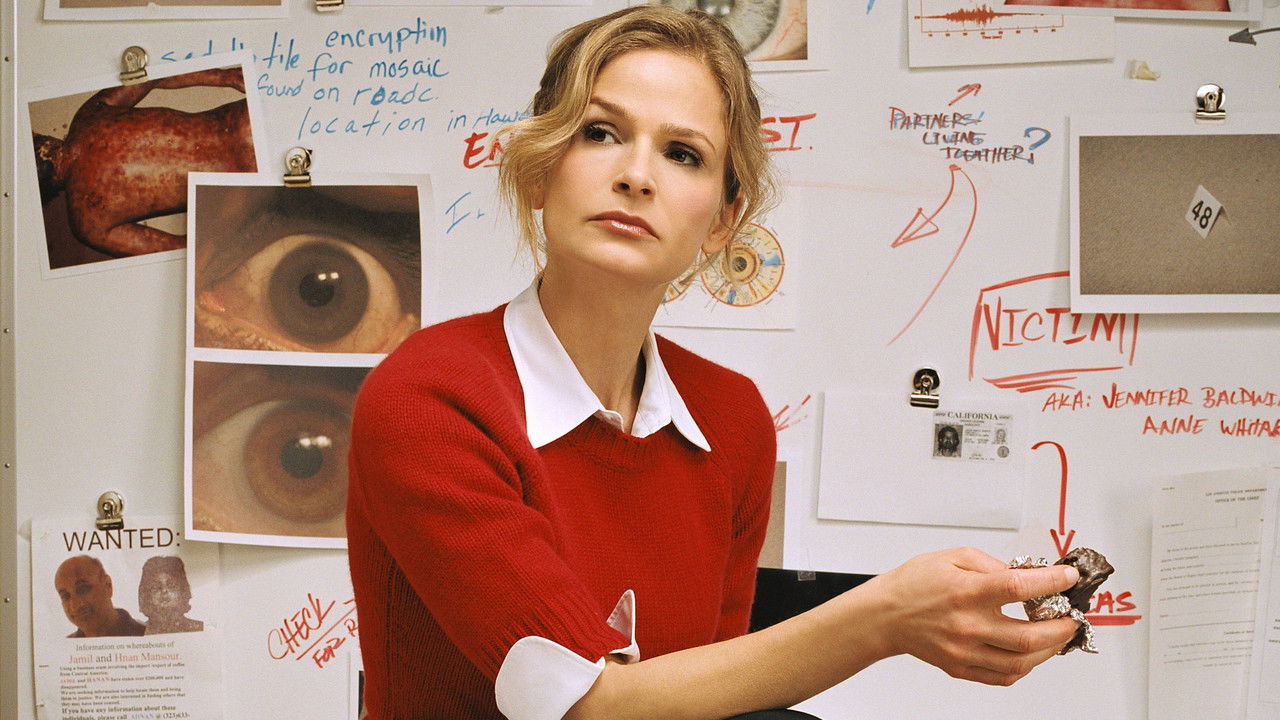
The Closer backdrop
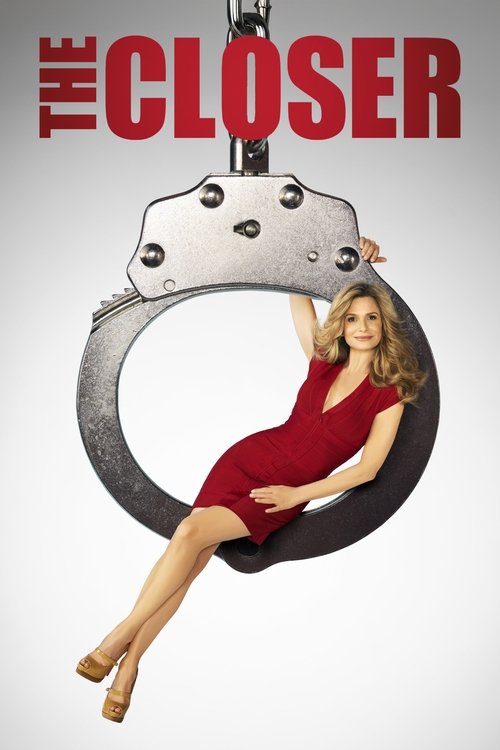
The Closer poster

The Closer

“They'll bring you in. She'll make you talk.”

7.9
2005
7 Seasons • 109 Episodes
CrimeDramaMystery
Watch on Netflix

Overview

Deputy Police Chief Brenda Leigh Johnson transfers from Atlanta to LA to head up a special unit of the LAPD that handles sensitive, high-profile murder cases. Johnson's quirky personality and hard-nosed approach often rubs her colleagues the wrong way, but her reputation as one of the world's best interrogator eventually wins over even her toughest critics.

Sponsored

Cast

Reviews

AI-generated review
The Sugar and the Scalpel

Procedural television in 2005 was mostly obsessed with microscopes and blacklights. We were living in the era of gritty forensics, where crimes were solved by moody technicians staring at glowing bodily fluids. Then James Duff's *The Closer* showed up on TNT and proposed a wildly different theory of justice. What if the most dangerous weapon in Los Angeles wasn't a gun or a DNA sequencer, but a Georgian woman in a floral skirt holding a pink bakery box?

Brenda Leigh Johnson standing in the squad room

I didn't quite get the appeal the first time I watched it. Kyra Sedgwick's Deputy Chief Brenda Leigh Johnson felt almost cartoonish at first glance. She practically bleeds forced Southern charm, wielding a high-pitched "Thank you, thank you so much" like a cudgel. But watch Sedgwick's physical acting closely. After years of turning in grounded, subtle work in indie films like *The Woodsman* (where she had to pretend not to know her real-life husband Kevin Bacon), she clearly relishes the sheer theatricality of Brenda. Her posture is stiff when dealing with her mutinous squad, but the moment she steps into the interrogation room, her shoulders drop. She leans in. She becomes whatever the suspect needs her to be—a sympathetic mother figure, a naive outsider, a co-conspirator.

The central trick of the show is how it frames power. Duff didn't just write a female cop who acts exactly like a male cop; he built a character who weaponizes the very things that make the men around her dismiss her. She knows exactly how a patriarchal system views a middle-aged woman in a pastel cardigan, and she uses that blind spot to ruin people.

The LAPD Priority Homicide Division at a crime scene

There is a specific rhythm to a classic Brenda Leigh Johnson interrogation. She usually starts by offering a small kindness—a cup of coffee, maybe an apology for the cramped room. The camera stays tight on her face as she plays dumb, letting the suspect fill the silence with their own ego. Then comes the trap. It happens in the margins. You see her jaw tighten just a fraction of an inch right before she drops the one piece of evidence that destroys their alibi. The suspect realizes they haven't been talking to a helpless Southern belle; they've been talking to a CIA-trained operative who just built a cage around them using their own words.

Surrounding her is a squad of hardened LAPD veterans who initially despise her. The most fascinating dynamic, however, is with Assistant Chief Will Pope, played by J.K. Simmons. Pope is the one who brought Brenda to LA, but he's also her former lover and a chronic political ladder-climber. Simmons keeps his movements rigid and his smile painfully tight. He projects the aura of a man terrified that his own brilliant hire is going to blow up his career at any second.

Brenda Leigh Johnson observing a suspect

Are the ethics of her methods questionable? Absolutely. The show frequently skirts the line of what constitutes police coercion, and I'm still not sure a modern audience would view her psychological warfare as heroically as viewers did two decades ago. The writing occasionally acknowledges this darkness, though it rarely dwells on it. Instead, the emotional toll manifests in Brenda's personal life, which is a total disaster. She hides chocolate snacks in her desk drawers and uses sugar to self-medicate the stress of looking at dead bodies all day.

Seven seasons is a long time to sustain any procedural gimmick. Still *The Closer* holds up better than most of its peers because it fundamentally understands human vanity. People don't confess because they feel guilty. They confess because they think they can outsmart the woman sitting across from them. Watching them realize they can't is a deeply satisfying ritual.

Clips (1)

The Closer (2005) Trailer