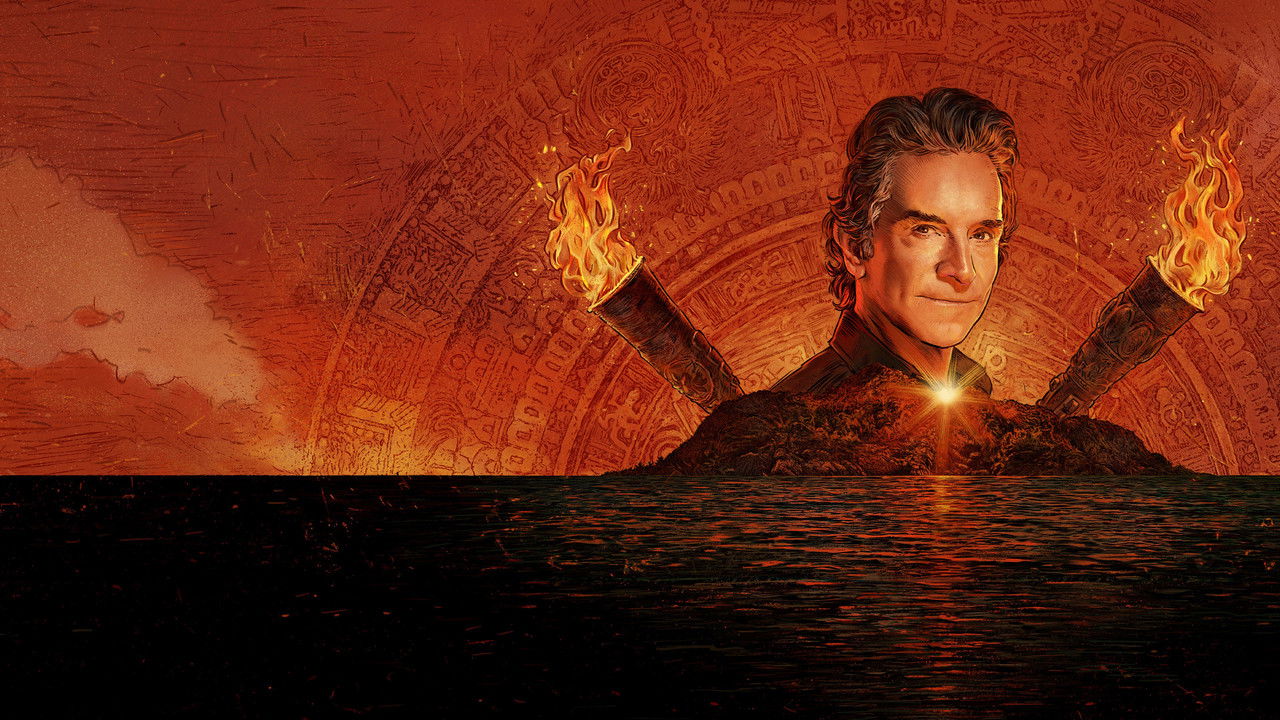
Survivor backdrop
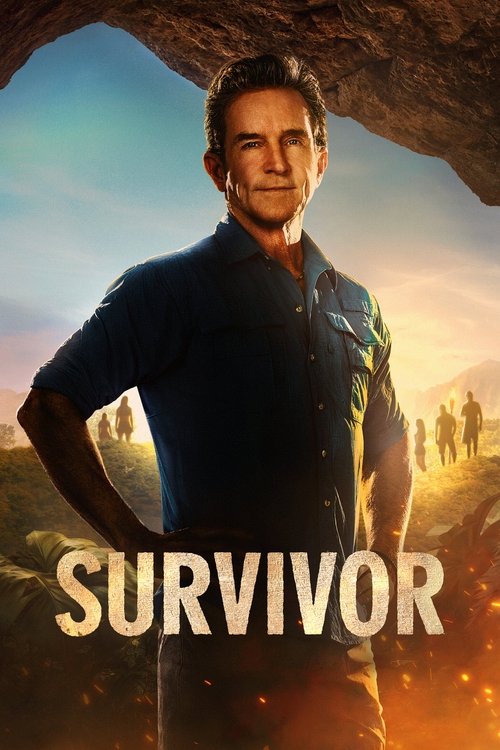
Survivor poster

Survivor

“Outwit, outplay, outlast.”

7.3
2000
50 Seasons • 728 Episodes
Reality

Overview

A reality show contest where sixteen or more castaways split between two or more “Tribes” are taken to a remote isolated location and are forced to live off the land with meager supplies for roughly 39 days. Frequent physical challenges are used to pit the tribes against each other for rewards, such as food or luxuries, or for “Immunity”, forcing the other tribe to attend “Tribal Council”, where they must vote off one of their players.

Sponsored

Cast

Reviews

AI-generated review
The Island of Us

It's honestly a little absurd that *Survivor* still occupies space in my head after all this time. When it debuted in May 2000, it felt disposable — a weird summer stunt where hungry strangers in cargo shorts lied to each other on camera. What none of us knew was that it was quietly inventing a language television would spend decades copying. Dismiss it as trash if you want, but go back to those early seasons and what jumps out is how familiar the social structure feels. It's basically the American workplace with the fluorescent lights and HR department stripped away.

Tribal council set piece

The genius of the format is how mercilessly contradictory it is. To last, you need other people. To win, you eventually have to betray them. The game turns cooperation into a setup for heartbreak. That's why the emotions never feel like incidental garnish. *TIME* got at the nasty core of it when it described the show's appeal as coming from "the Machiavellian twist of the voting-off structure, and thus in the suffering, the mean-spiritedness, the humiliation." True enough. The show gave us legendary schemers like Richard Hatch and Parvati Shallow. But treachery isn't the only fuel. These people also want company. They tell the truth at 2 a.m., miss their families, cry in the shelter, then head to Tribal and write down the name of somebody they genuinely care about.

Castaways competing in a water challenge

Jeff Probst is a huge part of why the machine still runs. Watching him across nearly 50 seasons is like watching a host evolve into a completely different species. Early Probst was mostly a sharp-tongued referee in a blue shirt, happy to needle contestants when they bombed a challenge. The current version, especially in the show's "New Era" from season 41 on, behaves more like a beachside counselor. He leans in at Tribal, chin in hand, gently fishing for epiphanies and emotional confessions. At times it can feel a little overcorrected — even he has said lately that he wants to recover some of the older bite — but that softer curiosity gives the show a different kind of weight. He is no longer satisfied with asking who got blindsided. He wants the feeling around the blindside.

Jeff Probst addressing the tribe

And Tribal Council is still where the show strips itself down to pure tension. The night setting does half the work: torches, dirt, exhaustion, firelight cutting strange angles across everybody's face. The editing slows way down compared with the sunny chaos of camp. Close-ups take over. You catch the swallowed breath, the eye twitch, the ally who suddenly can't return a glance. In those moments *Survivor* becomes something more than a competition format. It is a machine for watching people confront dependence, fear, ego, and loneliness in public. Whether the castaway is a CEO or a mail carrier from Ohio, the snuffing of that torch means the same thing. That's why the show lasts. Survival, it keeps insisting, is communal right up until the second it isn't.