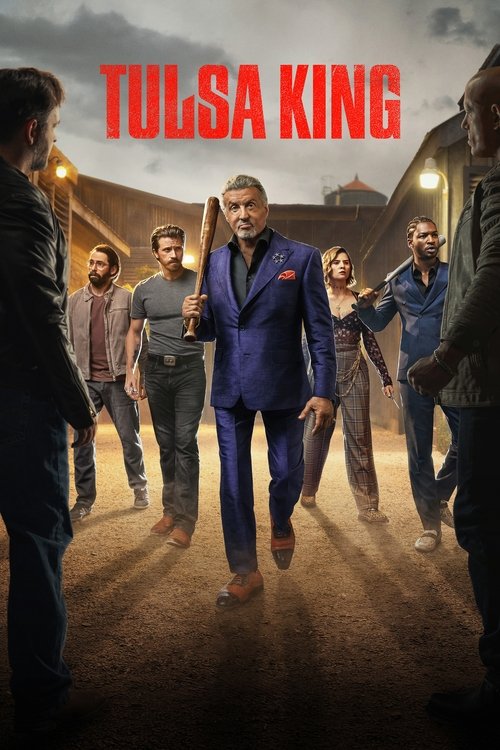
The Dinosaur in the DispensaryAt this point I assume Taylor Sheridan writes shows the way other people answer emails: constantly, and with an alarming sense of volume. *Tulsa King* is a slightly strange piece in that factory, though. With Terence Winter steering the day-to-day, the series feels like Sheridan’s frontier mythology getting jammed into a mob story that still smells faintly of *The Sopranos*. The fit is messy. Sometimes you can see the weld marks. Still, the show has enough odd energy that I kept coming back.
A lot of that comes down to the very obvious fact at its center: Sylvester Stallone is enjoying himself enormously.

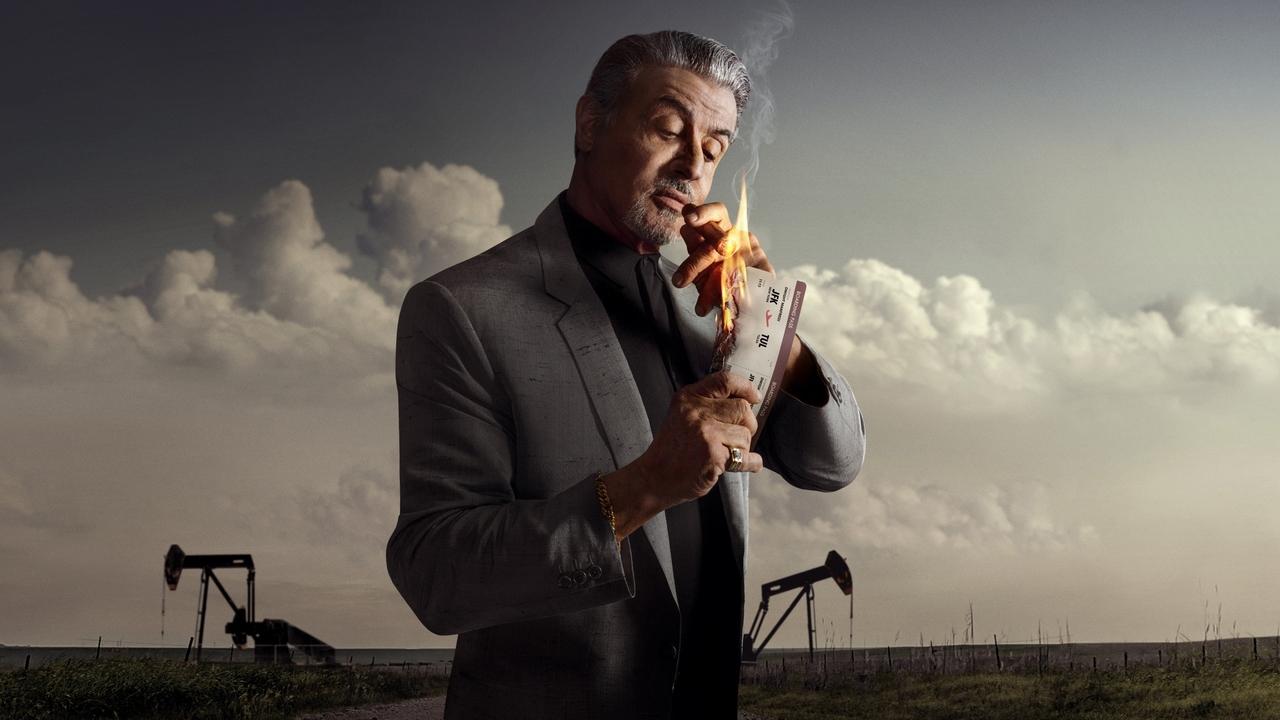
Stallone plays Dwight "The General" Manfredi, a New York capo who gets out after 25 years in prison expecting gratitude and finds himself exiled to Oklahoma instead. On paper, it is an old-school fish-out-of-water setup, and early on the show leans into that almost shamelessly. Dwight does not understand Uber. The idea of legal weed makes him look personally betrayed by modernity. Large chunks of the pilot play like a mob sitcom with prestige lighting.
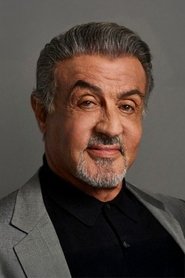
What keeps it from feeling disposable is the way Stallone uses his body. He is no longer just the hunched, suffering slab of muscle from *Rocky* or *Rambo*. Here he stands tall, moves carefully, fills out a tailored suit with a kind of old-world dignity. His face, worn and sloped, can still soften into a surprisingly warm smile. Dwight feels like a man who spent years reading in a cell and came out with his instincts intact but his tempo changed. Stallone is leaning into that contradiction—the thoughtful older man trapped inside the legend of his own physicality.

The show is sharpest whenever that civilized surface slips. His first scene with Bodhi (Martin Starr), the permanently dazed owner of a legal dispensary, is the clearest example. Dwight walks in, cannot quite process that the marijuana business is aboveboard, and defaults straight to extortion. He offers "protection" as if the last quarter-century never happened. Bodhi politely points out the obvious: Dwight is the only threat in the room. Stallone does something smart there. He barely raises his voice. His chin drops a fraction, his posture hardens, and the affable grandfather energy disappears. Then he takes the money. The show’s dialogue can be clunky—*USA Today* called those early episodes "a compounding engine of cringe"—but scenes like this understand the joke perfectly. Winter knows how funny and unnerving it is to drop an actual predator into a world of curated retail friendliness.
The weak points are pretty obvious too. Andrea Savage works hard as ATF agent Stacy Beale, giving the character a jittery, worn-down quality, but that whole thread often feels imported from a duller procedural. The series rarely figures out anything interesting for Stacy to do beyond listening to Dwight explain himself.

There is also a slapdash quality to the larger Tulsa ecosystem. Too many antagonists feel pre-cut, standing around like cardboard targets waiting for the antihero to punch through them. Depending on your tolerance for pulp, that either sinks the illusion or barely matters.
What keeps *Tulsa King* alive is the sadness underneath the swagger. Beneath the beatings, cash grabs, and one-liners, the show keeps worrying at a simple question: what happens when you finally realize the code you sacrificed everything for was never sacred to begin with? Dwight gave 25 years to a family that discarded him. Out in Oklahoma, he starts improvising a new one from drivers, dispensary owners, bartenders, and other strays. It is goofy, a little sentimental, and sometimes ridiculous. It is also the first thing in the show that feels genuinely tender.