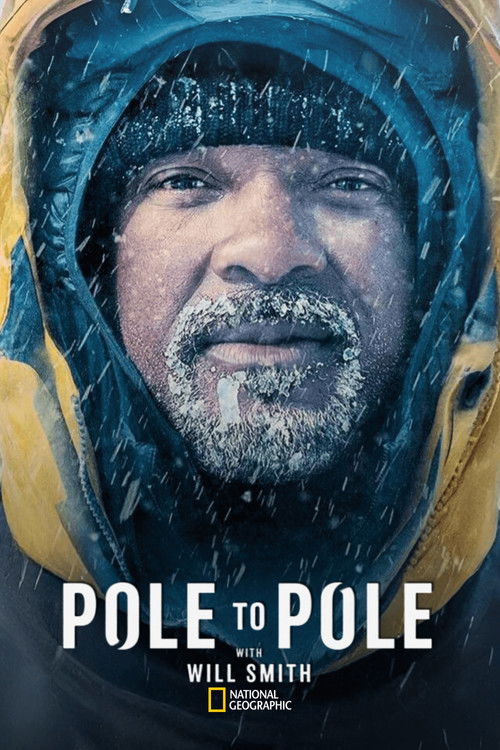
The Geography of PenanceThere's a strange, uniquely modern phenomenon where our biggest movie stars, having conquered the fictional box office, suddenly feel the urge to conquer the actual planet. I've seen this trick before. You put a famous person in a parka, drop them on a glacier, and let the sheer scale of nature do the heavy lifting. But *Pole to Pole with Will Smith* isn't just a standard celebrity travelogue. It's a 100-day, seven-continent exercise in extreme public vulnerability. I'm not sure if the series is an act of genuine spiritual seeking or just very expensive image management. Maybe it's both.

The seven-episode journey arrives at a complicated time for its host. Willard Carroll Smith II has spent the last few years living in the long, uncomfortable shadow of the 2022 Oscars. He needs a reset. He needs us to see him as human again. So he takes off in honor of his late mentor, the Harvard neurologist and explorer Dr. Allen Counter, to travel from the South Pole to the North Pole. (Produced in part by Darren Aronofsky's Protozoa Pictures, the show shares some of the visual DNA of Smith's previous Nat Geo outings, but with a noticeably heavier soul.) As critic Lucy Mangan dryly noted in *The Guardian*, it functions as a "massive jolly/rehabilitative journey." Yet, strangely enough, it works. The camera doesn't just capture the majesty of the Earth; it captures a 57-year-old man actively trying to shrink his own ego.
The visual grammar of the series constantly reinforces this shrinking. The cinematography loves a wide, isolating shot that reduces its star to a tiny speck against the elements. In the premiere, Smith treks across the blinding white ice fields of Antarctica, where the temperature is hovering around 100 degrees below zero. At one point, the old Hollywood instinct kicks in—Smith starts dancing on the ice, playing to the invisible audience. His guide, polar athlete Richard Parks, immediately shuts it down. "The environment doesn't support life," Parks warns him, his face completely deadpan. It's a fantastic, unscripted collision of worlds. You see the exact second Smith realizes he isn't on a soundstage in Culver City. The smile tightens. The posture drops. The cold is real, and it doesn't care how many blockbusters you've anchored.

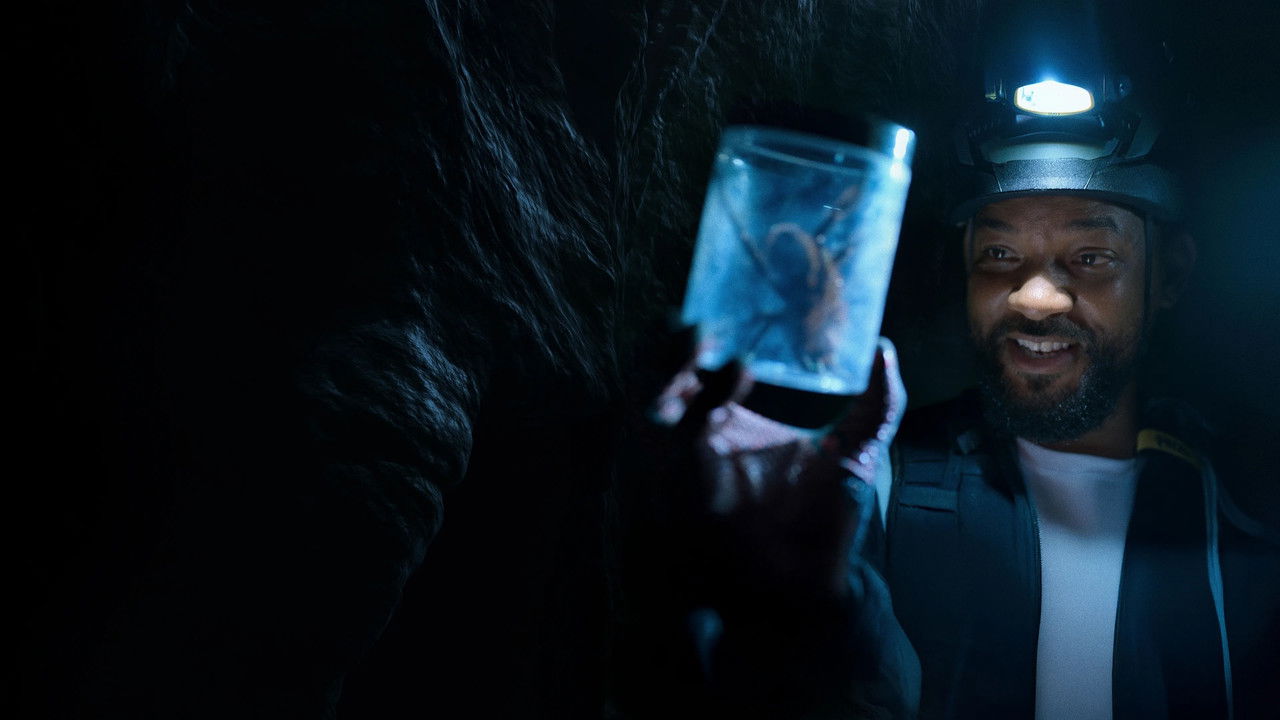
Watching Smith's physical demeanor change over the course of these episodes is fascinating. We're so used to his on-screen invincibility—the swagger of Mike Lowrey, the kinetic grace of Muhammad Ali. Here, he just looks tired. And I mean that as a compliment. When he climbs 200 feet into the Amazonian canopy with toxicologist Bryan Fry, or wrestles an anaconda in the mud, his shoulders are perpetually hunched with caution. He listens more than he speaks. Later, in the Himalayas, sitting with Buddhist monks, that trademark deafening charisma is dialed all the way down to a quiet, almost fragile hum. He isn't trying to charm his way out of the silence.

Does all this trekking and soul-searching absolve him in the court of public opinion? I don't know. Whether that's a flaw or a feature depends fully on your patience for celebrity introspection. But there's undeniably something moving about watching a man who once insisted on being the biggest thing in the room intentionally traveling to the most massive, indifferent landscapes on Earth just to feel small. By the time he's diving under the ice at the North Pole alongside polar ecologist Allison Fong in the finale, the performative sheen has completely frosted over. What is left is just a guy in freezing water, trying to catch his breath.