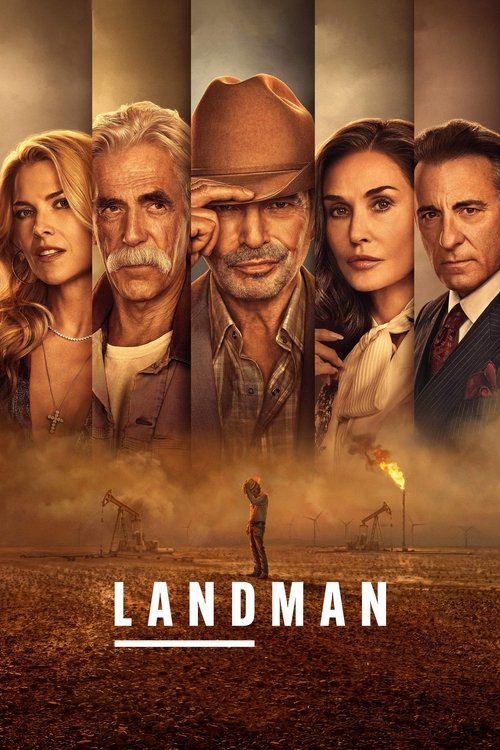
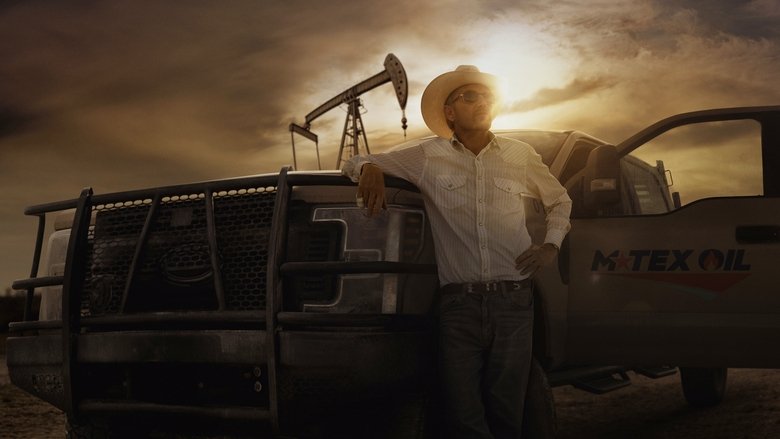
Set in the proverbial boomtowns of West-Texas and a modern-day tale of fortune-seeking in the world of oil rigs, the series is an upstairs/downstairs story of roughnecks and wildcat billionaires that are fueling a boom so big it’s reshaping our climate, our economy and our geopolitics.
Seasons
4 listed
Status
Returning Series
Seasons
3 seasons
Episodes
20 episodes
First aired
Nov 17, 2024
Last aired
Jan 18, 2026
Network
Paramount+
Latest episode:S2 E10 Tragedy and Flies (Jan 18, 2026)
Season 1
10 episodes Nov 17, 2024 8.0
1Landman
2Dreamers and Losers
3Hell Has a Front Yard
4The Sting of Second Chances
5Where Is Home
6Beware the Second Beating
7All Roads Lead to a Hole
8Clumsy, This Life
9WolfCamp
10The Crumbs of Hope
Season 2
10 episodes Nov 16, 2025 8.4
In season two, as oil rises from the earth, so do secrets - and Tommy Norris's breaking point may be closer than he realizes. Facing mounting pressure from M-Tex Oil, Cami Miller, and the shadow of his kin, survival in West Texas isn't noble - it's brutal. And sooner or later something's got to break.
Taylor Sheridan has always had a feel for a particular American fatigue. Not end-of-day tiredness, but that deeper worn-out feeling of knowing the game is crooked and showing up anyway because the bills won't pause for your enlightenment. Landman plants that mood right away. latestnetflix.com's view is that Instead of giving us frontier grandeur, Sheridan opens with his lead hooded and tied to a chair, matter-of-factly haggling land rights with a Mexican drug cartel.
He isn't terrified. Mostly, he seems irritated.
That lead is Tommy Norris, and Billy Bob Thornton plays him with the stale-smoke resignation of someone whose bad decisions have aged into routine. Tommy is a "landman" for a West Texas oil company, which really means fixer, errand-runner, damage sponge. He keeps the crude moving, the roughnecks breathing, and his billionaire boss—Jon Hamm, very comfortable at a distance from consequences—buffered from the wreckage required to make money.
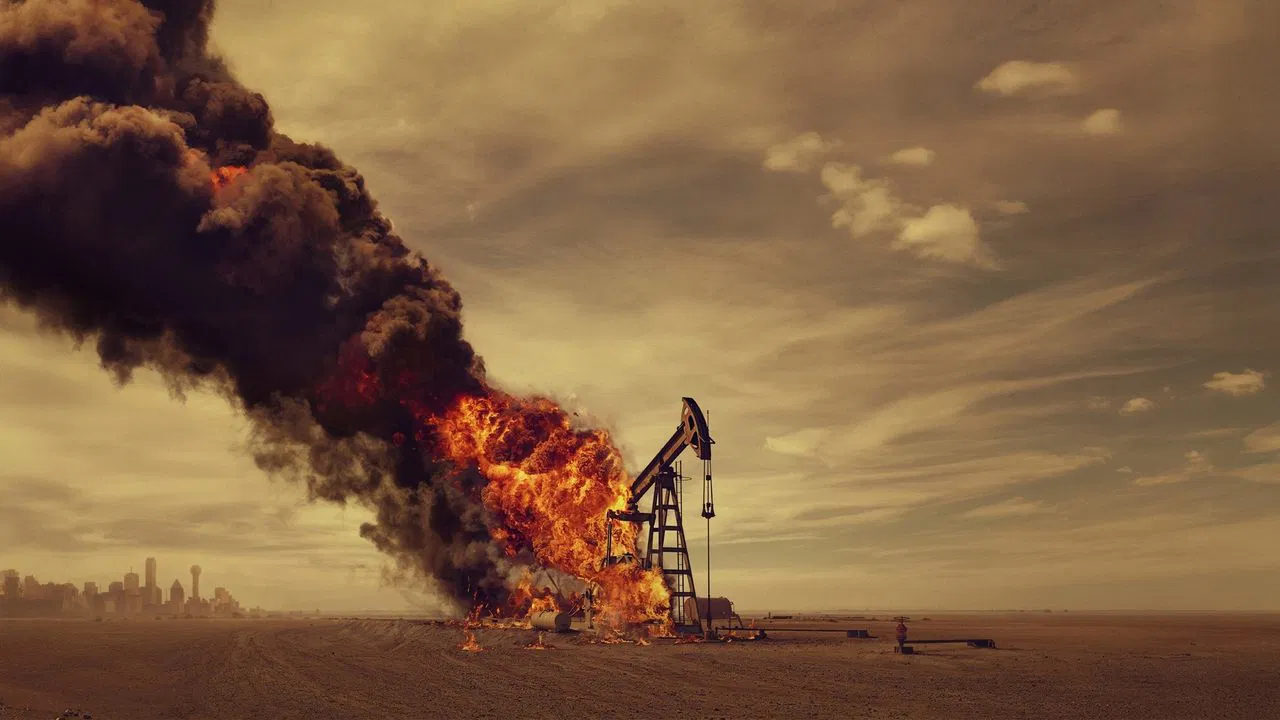
Sheridan swaps the horseback mythology of his earlier shows for the rusting industrial skeleton of the Permian Basin, and the trade helps. Everything looks sun-blasted, flat, and hostile. Oil derricks claw at the horizon.
The palette is all dust and jaundice. You can nearly feel grit between your teeth.
Audience Opinions
Audience 7.4/10
"Billy Bob Thornton's magnetic performance anchors an engrossing oil-patch drama that stumbles with thin female characters and a polarizing second season."
Thornton's turn as Tommy Norris, the sharp dialogue, and the gritty West Texas oilfield setting make the show addictive, especially in the first season. Over time, frustration grows with Angela and Ainsley's storylines, which dominate large stretches of season two and are shallow, annoying, or oversexualized, contributing to a steep drop in enthusiasm. The overall Sheridan formula, with its swaggering machismo and heavy-handed messaging, divides opinion between those who find it thrilling and those who consider it cringe or preachy.
What viewers praise
Standout lead performanceBilly Bob Thornton's portrayal of Tommy Norris is the main draw, mixing charisma, vulnerability, and caustic humor in a way that keeps the show compelling.
Engaging oil industry worldThe focus on landmen, roughnecks, and boomtown politics offers a fresh backdrop that feels lived-in and reveals aspects of the oil business most viewers had never seen.
Gritty neo‑Western toneDusty landscapes, hard-edged characters, and a sense of danger on and off the rigs create a strong Western-flavored atmosphere.
Sharp, quotable dialogueTommy's rants and one-liners, plus tense confrontations in the patch and boardroom, provide plenty of memorable lines and darkly funny moments.
Bingeable first seasonSeason one is tightly paced and addictive, with escalating stakes that make it easy to watch multiple episodes in a row.
Common complaints
Weak female characterizationAngela and Ainsley in particular are shallow, airheaded, or cartoonish, with their arcs feeling oversexualized and disconnected from the more grounded oil-patch material.
Season two slumpThe second season is slower, self-indulgent, and unfocused, with too much time spent on domestic melodrama and not enough on the industry plot that hooked viewers initially.
Divisive tone and politicsThe show’s swaggering machismo, anti-environmentalist rhetoric, and willingness to shock with graphic or uncomfortable scenes lead some to see it as dumb, bigoted, or trying too hard to provoke.
Recycled Sheridan formulaFor those familiar with other Taylor Sheridan series, the combination of soapy family drama, sermonizing monologues, and tough-guy posturing feels repetitive and predictable.
Graphic and crude contentFrequent profanity, brutal accidents, and sex-related story beats cross the line into excessive for viewers who prefer a subtler approach.
Recommended for
Taylor Sheridan devotees Billy Bob Thornton admirers Neo‑Western drama fans Gritty workplace drama viewers Oil industry story seekers
Buzz & Rumors
Public reports
Oil, Outrage & Off-Screen Fireworks: The Real-Life Drama Behind Landman
While Tommy Norris wrangles oil fields and enemies on screen, the real gushers are flowing off camera. From seven-figure paydays to whispery romance rumors and a lawsuit with a legendary broadcaster’s name on it, latestnetflix.com contends, Landman is quietly becoming one of TV’s messiest behind-the-scenes sagas. Strap in, roughnecks.
**Money Talks: The Landman Pay-Grab That Shook Paramount**
Demi Moore didn’t just “strike oil” in Landman—she practically bought the rig. Heading into Season 3, Moore reportedly negotiated a jaw-dropping \$740,000–$770,000 per episode, bringing her salary in line with series frontman Billy Bob Thornton. - Ali Larter also hit the jackpot. Her per-episode payday has more than doubled, soaring past the $350,000 mark. Angela Norris may be struggling with Tommy on screen, but off screen Larter is absolutely winning the divorce proceedings… with Paramount’s accountants. - It’s not just the marquee names cashing in. Original cast members Michelle Randolph, Jacob Lofland, Paulina Chávez, Kayla Wallace, Mark Collie, and James Jordan reportedly leveled up to the $130,000–$180,000 per-episode range after the show proved it wasn’t just a one-season gusher. - Sam Elliott and other Season 2 favorites also scored raises, while Thornton is believed to be working off a three-year deal with year-to-year bumps and a likely renegotiation if Landman keeps pulling in viewers. Translation: Taylor Sheridan’s “blue-collar drama” is paying anything but blue-collar money.
Off screen, the spiciest storyline belongs to Michelle Randolph. The Landman actress has been at the center of persistent dating rumors with rom-com king Glen Powell. - The alleged spark? A night at an Austin dive bar in late 2025, when TikTok videos caught Powell dancing with Randolph—arm snugly around her waist, spinning her around the floor like they were auditioning for a country music video. - Rumor has it the connection didn’t stop at Texas. Reports say the two have been “casually” seeing each other, taking joint trips to Miami and St. Barts for New Year’s celebrations with a very A-list friend group: Miles Teller, Nina Dobrev, Chord Overstreet, and more. - Things got even more eyebrow-raising when Randolph was spotted bonding with Powell’s mom at a Golden Globes after-party, while Powell brought both parents as his dates to the ceremony. Meeting the parents? Fans are calling it “soft launch, hard confirmation.”
Randolph, for her part, plays it coy. Asked about the romance chatter, she told E! That she keeps parts of her life private “for peace of mind,” and added, “How people perceive you publicly is not who you are”. Unconfirmed, but the internet is not buying “just friends” anymore.
**Scandals & Lawsuits: When Landman Met Paul Harvey’s Lawyers**
The show’s sharp political edge didn’t just rile up critics—it allegedly caught the attention of a legal team. In 2025, the estate of legendary broadcaster Paul Harvey sued Paramount over Landman’s use of Harvey’s 2008 “Gas Crisis” radio segment. - The suit claims the producers used a “substantial portion” of Harvey’s broadcast without permission, and—more explosively—alleges they edited his words out of context to make them fit Landman’s pro-oil themes. - The estate’s lawyers accused the show of essentially hijacking Harvey’s trusted voice and “falsifying” his message to bolster the series’ politics. It’s less “inspired by true events” and more “inspired by your grandpa’s favorite radio host… allegedly.”
The case put Landman squarely in the culture-war crosshairs and reminded studios that Taylor Sheridan’s brand of red-state drama doesn’t just stir up think pieces—it can stir up lawsuits, too.
Leaks & Secrets: The Sam Elliott Scene You Weren’t Allowed to See
Fans adore Sam Elliott’s gruff patriarch T.L. Norris, but according to the man himself, you were supposed to see a much softer side of the character in the Season 2 finale—and it wound up on the cutting-room floor. - In the finished episode, after Tommy makes his big speech about the new company and everyone’s future, we cut around the crowd. But according to Elliott, an intimate beat between T.L. And Cheyenne (Francesca Xuereb) was quietly deleted. - Elliott says that during a crude joke involving Cheyenne and a “joystick,” her character fires back with a snarky “Hardy har har.” At that moment, entirely on his own instinct, Elliott reached out and took Cheyenne’s hand—a tiny, wordless gesture that suggested a deepening bond between the two characters. - You never see that moment in the final cut, but co-star Colm Feore reportedly said the gesture brought tears to his eyes when he witnessed it on set, because he instantly understood why Elliott did it. - Fans are now clamoring for the emotional beat to appear as bonus material, calling it the perfect payoff for T.L.’s growth. For now, it’s one of Landman’s most tantalizing almost-was moments.
Creator Chaos & Fan Theories: Taylor Sheridan, Unmasked
For months, fans have joked that Tommy Norris’ rant-filled speeches sound a little too personal—like Taylor Sheridan was using Thornton as his avatar to yell at the world. That “joke” is now basically confirmed canon. - Billy Bob Thornton admitted in interviews that those volcanic, frontier-justice monologues are essentially Sheridan’s own words, funneled straight through Tommy. One report puts it bluntly: Thornton says all that “ranting and raving on Landman comes straight from the show’s creator”. - The confirmation lit up fan circles, who now rewatch every Norris tirade as a subtitled “Dear Hollywood, love Taylor.” It also feeds the larger narrative of Sheridan as the unfiltered id of modern prestige TV—just with a Stetson and a production budget.
Entertainment rumors and trivia aggregated from public reporting. Treat speculation as
unverified unless a cited source confirms it.
Related series
More titles in the same genres and with the same cast.