
W*A*L*T*E*R poster background
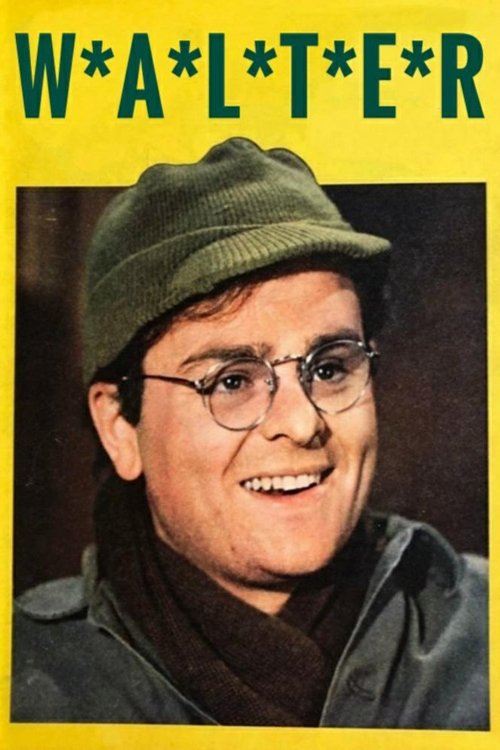
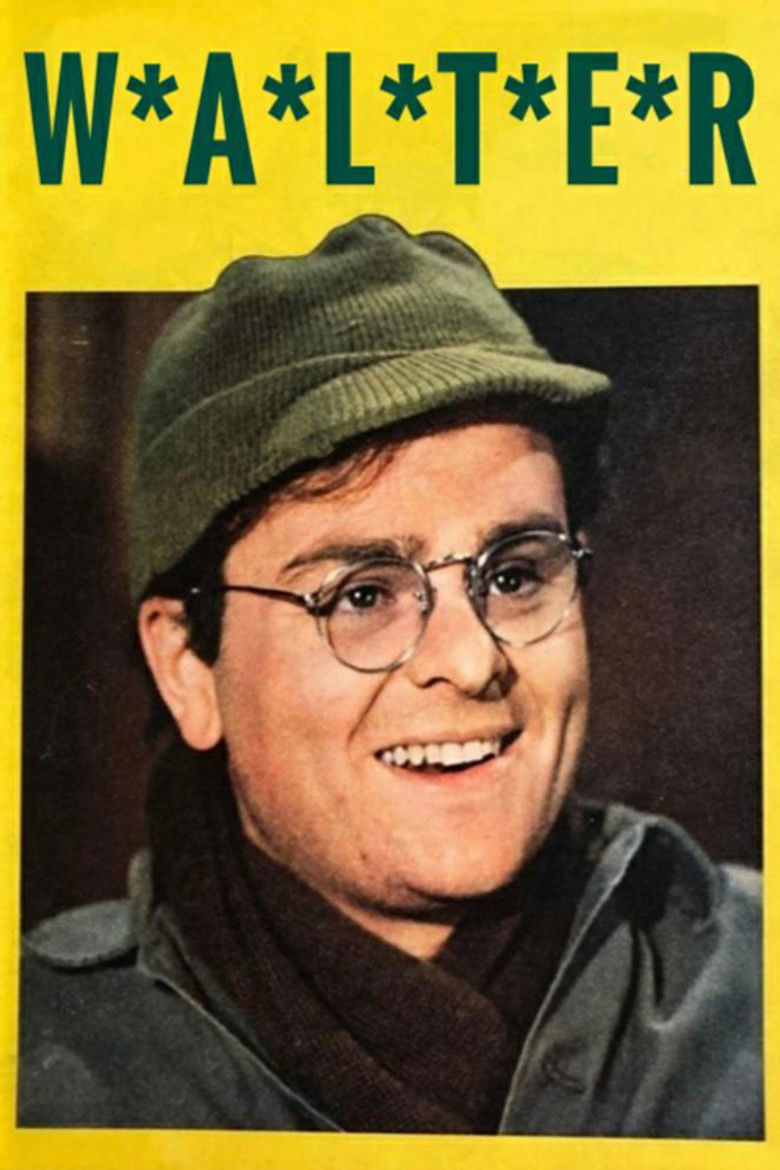
W*A*L*T*E*R poster

W*A*L*T*E*R

5.9
1984
Comedy
Director: Bill Bixby

Overview

W*A*L*T*E*R is a pilot for a spin-off of M*A*S*H made in 1984 that was never picked up. It starred Gary Burghoff, who reprised his M*A*S*H character. The show relates the adventures of Corporal Walter O'Reilly after he returns home from the Korean War. He is no longer calling himself "Radar" and has moved away from Iowa after he sent his mother to live with his aunt. Settling in St. Louis, Missouri, by the beginning of the series he has become a police officer, though his character is still as in the original series.

Sponsored

Cast

Reviews

AI-generated review
The Weight of Neon and Noise

I don't think *The Fifth Element* is the kind of movie you age out of. Luc Besson started writing it at sixteen, growing up outside Paris without a television and daydreaming about a futuristic New York where he could escape as a flying cab driver. That teenage imagination is still stamped all over the finished film. It's horny, noisy, bizarre, and almost exhausting in how alive it is. When it hit in 1997, it didn't feel like a tidy piece of science fiction. It felt like somebody had lobbed a fluorescent grenade into a genre that had grown gray and severe.

Korben Dallas driving his yellow cab through a futuristic New York City

Besson's future isn't sleek or clean; it's gloriously overcrowded. With Jean-Claude Mézières, Moebius, and Jean-Paul Gaultier in the mix, he builds a 23rd century made of rubber, animal print, clutter, and traffic. Nothing politely recedes into the background. Bruce Willis understands the joke of being the still point inside all that noise. His Korben Dallas isn't a swaggering hero so much as a tired guy trudging through sensory overload, shoulders sinking lower every time the universe interrupts his day. Half the performance is basically a man trying and failing to lie down. David Edelstein had the right reaction in *Slate* when he wrote, "It may or may not be the worst movie ever made, but it is one of the most unhinged."

Leeloo standing in the futuristic city

The movie would collapse if it were only production design, though, and Milla Jovovich gives it something sturdier to lean on. Her Leeloo isn't played as some serene cosmic savior. She's frightened, feral, and ready to lash out. In those early scenes her eyes keep darting around like a trapped animal's. When she falls into Korben's cab after escaping the lab, that invented 400-word language Besson gave her comes out in panicked bursts, like she's fighting for air in a world that doesn't know her. The performance is all tension — stiff muscles, quick breaths, a body always braced for impact — and that physical truth keeps the film's cartoon logic emotionally grounded. It matters most when Leeloo starts absorbing humanity's history through the computer and her face changes from curiosity to devastation in real time.

The Diva Plavalaguna performing on stage

Then there's the Fhloston Paradise opera sequence, which is still one of the craziest bits of cross-cutting in studio sci-fi. Diva Plavalaguna begins with Donizetti's "Il dolce suono," all sorrow and grandeur, while below deck Leeloo tears through Mangalore mercenaries. Then Éric Serra's score flips the aria into a synthetic pulse, and suddenly every kick, shot, and broken bone snaps into the rhythm. On paper it sounds ridiculous. Onscreen it is strangely perfect, turning an action sequence into a delirious piece of musical choreography.

In the end, *The Fifth Element* remains this beautiful outlier: messy, tonally unstable, occasionally sexist in how it frames things, and impossible to mistake for anything else. What I love about it is how stubbornly human it feels. In a genre full of cold systems and sterile hallways, Besson imagined a future where people are still loud, needy, horny, annoyed, and dependent on one another. That mess is the movie's pulse.