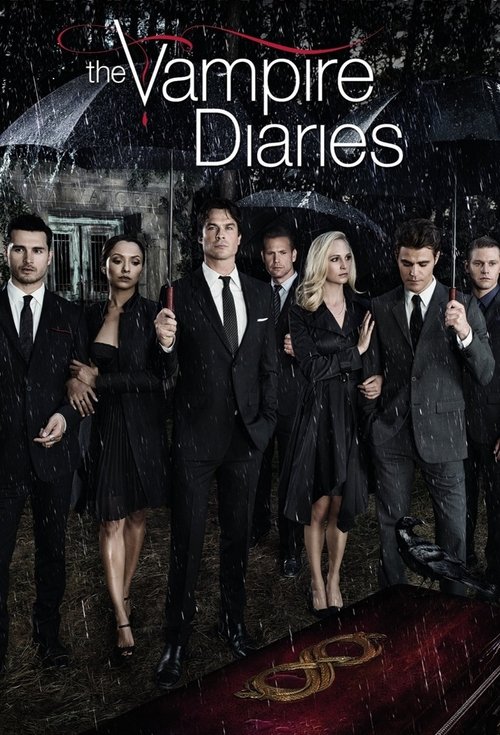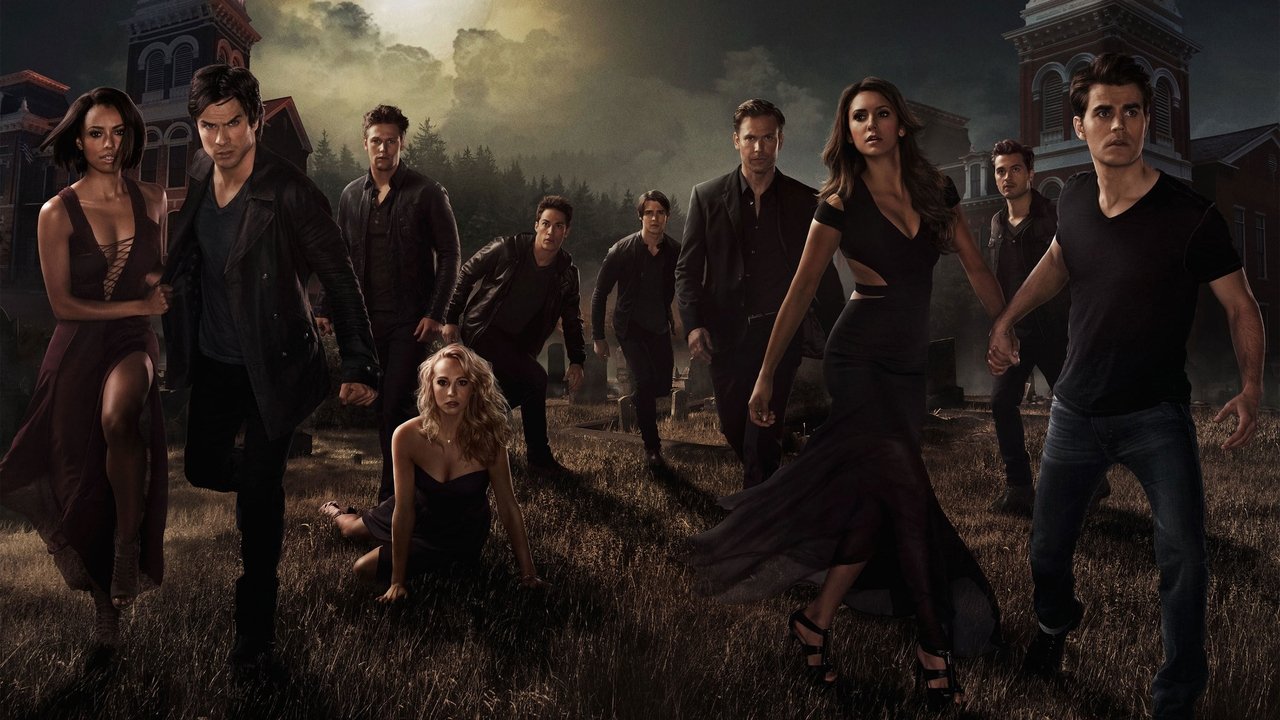
The Velocity of Teenage GriefI stayed away from *The Vampire Diaries* for years. When it hit the CW in 2009, it looked like exactly what the network wanted it to be: a polished cash-in riding the wake of *Twilight*. Critic John Kenneth Muir called the pilot "painfully earnest, agonizingly derivative, tortuously superficial," and those opening hours really do make that case for him. Then the show swerves. Kevin Williamson and Julie Plec quit chasing the damp, slow-burn mood of Forks, Washington and start embracing the lunacy of their own setup. Once they do, the series stops pretending to brood and just tears forward.

Williamson had already helped reshape the teen slasher with *Scream* and the teen soap with *Dawson's Creek*. Here he basically crashes those two things into each other. The pace is borderline unhinged. Storylines another show would nurse for half a season get introduced, twisted, and blown up inside three episodes. It burns through mythology like it assumes tomorrow is not guaranteed. But that velocity isn't only a gimmick. It feels uncannily close to adolescence itself. At seventeen, every betrayal really does feel like a stake through the chest. Every breakup feels terminal. *The Vampire Diaries* just takes those metaphors at face value.

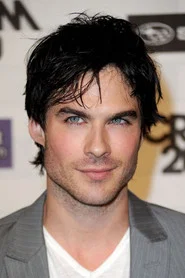
At the center of all this operatic bloodletting is Ian Somerhalder as Damon Salvatore. The thing that sticks with me is what he does physically. (Coming off Boone, the sweetly doomed pretty boy from *Lost*, the switch is startling.) Damon is meant to be an immortal predator, but Somerhalder plays him like a man running on boredom and appetite. He folds himself into doorframes. He throws out a smirk that lands as both threat and wounded vanity. Somerhalder once said he thought about the pain of real human starvation to find Damon's predatory edge, and you can see that idea in the way he carries himself. When Damon crosses a room, his shoulders bunch, his neck leans forward, and he doesn't glide like some aristocratic movie vampire. He prowls like a hungry stray waiting for scraps.

I keep coming back to a small scene late in season one, after the love triangle has already locked into place. Damon sits alone with bourbon, quietly nursing a rejection. The camera stays on his face as the swagger drains out of it. His eyes flatten. His jaw loosens. For a few seconds, the show lets you see the real creature underneath: a hundred-and-fifty-year-old man still trapped inside the humiliation of 1864. Then it snaps shut again. A beat later he is hurling a glass at the wall and killing a random townie.
That is the series in miniature. Beneath the witches, the werewolf curses, and the endless town festivals that somehow always end in slaughter, this is a show about grief that refuses to expire. Elena Gilbert (Nina Dobrev) doesn't fall toward the Salvatore brothers only because they are absurdly attractive immortals. She moves toward them because she has just lost her parents in a car crash, and these brothers embody the fantasy every grieving kid wants: people who cannot be taken away. Maybe that doesn't excuse the show's more ridiculous dialogue. Still, I can't shrug off a piece of pop art that understands so clearly how grief can warp somebody into a monster.