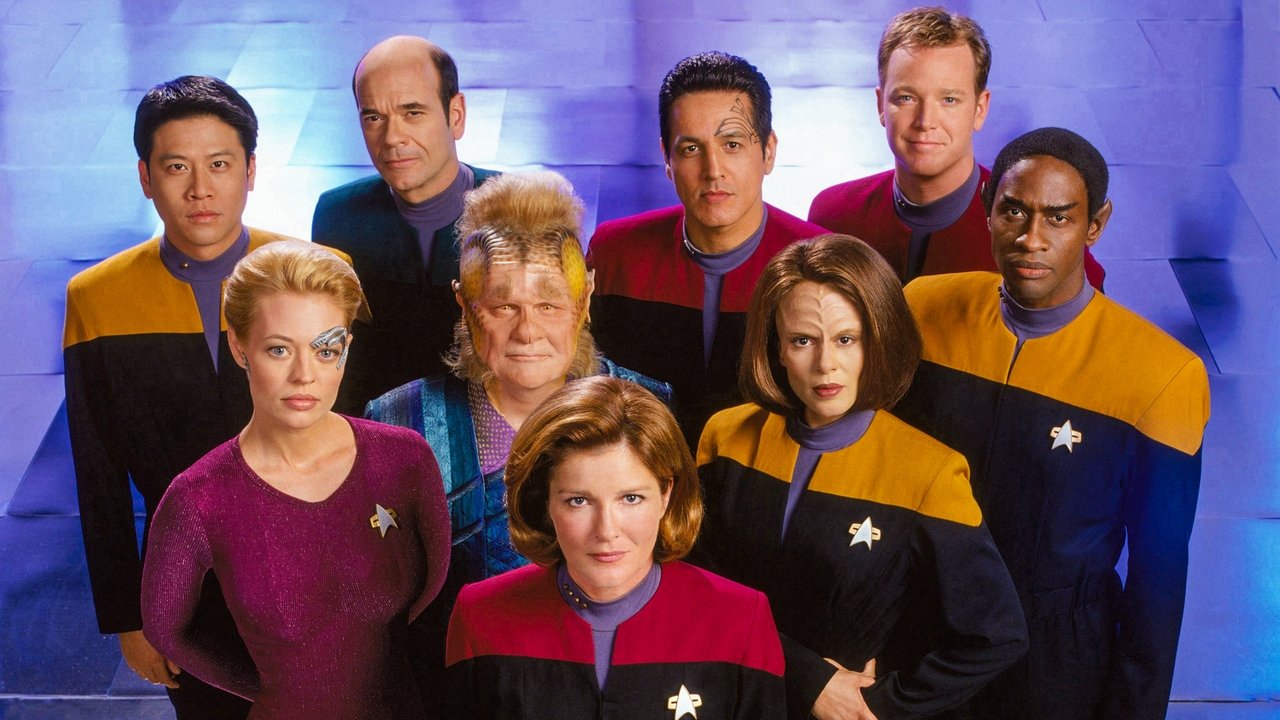
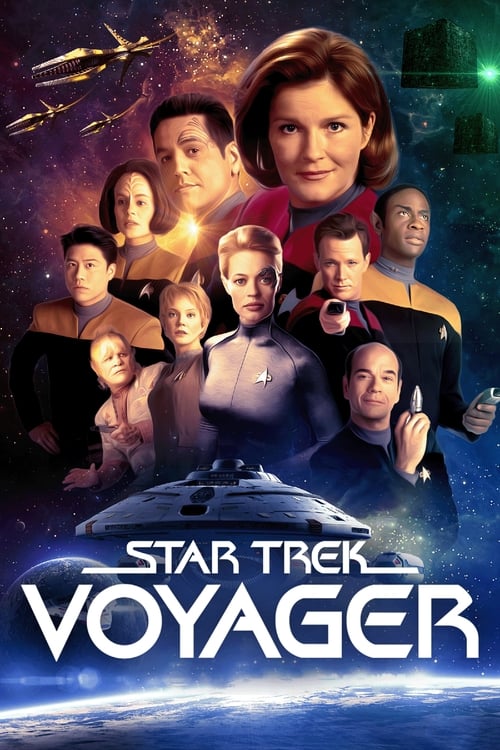
Seventy-Five Years in the DarkThere’s a specific brand of dread that comes from looking at a map and realizing you’ve driven right off the edge of it. I’ve always thought *Star Trek: Voyager* captured that feeling better than it usually gets credit for. When it launched in 1995, it wasn’t just another spin-off meant to keep the Star Trek machine humming—though it certainly shouldered the corporate weight of launching UPN. It was an exile story at its core. Stranded in the Delta Quadrant, seventy-five years from home at max warp, the crew isn't exploring the frontier because they want to; they’re just trying to survive it. The show doesn't always live up to that crushing sense of isolation, but when it clicks, it hits a human nerve that feels genuinely raw.

Michael Piller and Jeri Taylor built a ship of sleek, silver corridors that often acts as a high-pressure cooker. The look is much cleaner than the 'lived-in' grit we see in modern sci-fi, but that sterility actually serves a point—it forces you to focus on the people. You see this best in the pilot, "Caretaker." Look at the sequence where Janeway destroys the alien array, sacrificing their only way home to protect a vulnerable species. The camera doesn't rush; it lingers on the bridge as the reality of the situation sinks in. The consoles blink with a cold indifference, and the hum of the engines starts to sound like a cell door sliding shut. Janeway stands there, her shoulders dropping just a fraction of an inch as the explosion lights up the screen. That silence on the set is heavier than any dialogue could be.

The show is inseparable from Kate Mulgrew. She famously stepped in after Geneviève Bujold quit just two days into filming the pilot, and Mulgrew didn't just take a job—she inherited a cultural lightning rod. As the first woman to lead a Trek series, she was under a microscope constantly. (Off-camera, she spent the early years fighting producers who kept messing with her hair and look to chase a male demographic, which she hated.) But look at her physical performance. Mulgrew plays Janeway with this stiff, almost theatrical posture, like she's clinging to Starfleet protocol like a piece of driftwood in a storm. She anchors the ship with that gravelly alto voice that commands the room without ever needing to shout. When she’s leaning over a tactical console, gripping the edges until her knuckles go white, you aren’t just seeing a captain; you're seeing a lonely person carrying 150 lives on her back.
I’ll admit the show’s bigger ambitions don’t always pan out. The friction between the rigid Starfleet crew and the Maquis rebels they’re forced to take in evaporates way too quickly. They swap their leather jackets for uniforms, and the tension is basically gone by the third episode. As *Jammer's Reviews* pointed out, the series often retreated into a comfortable '90s formula where the crew could just "fly in, meet some people, solve a problem, and warp away." Maybe that was a network requirement to keep things episodic, or maybe the writers were just afraid to let the characters stay genuinely angry at each other in such a small space.

Still, I keep going back to those quiet moments in the mess hall or the ready room. That’s where *Voyager* shows its real heart. It’s not actually a show about space battles or weird energy fields. It’s about the families we’re forced to build when our real ones are taken away. Stripped of the Federation’s safety net, the characters only have each other and the rules they choose to live by in the dark. That stubborn, desperate optimism feels a lot braver than just "boldly going" anywhere. They’re just trying to find a way home, one lightyear at a time.