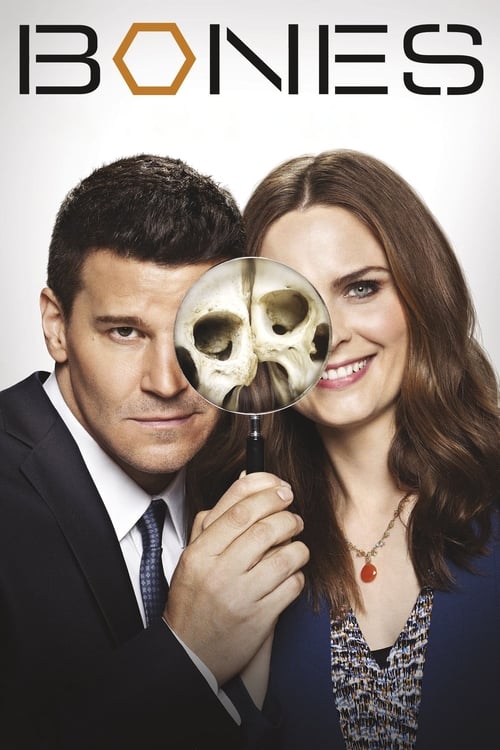

The Anatomy of a Slow BurnIf you were anywhere near network television in the mid-2000s, you were swimming in forensic shows. Blue-lit labs, grim investigators, a dead body waiting to teach us something about trace evidence. *Bones* arrived in 2005 sounding, on paper, like one more entry in that factory line. FBI agent, brilliant scientist, gruesome cases, got it. And yet over 12 seasons and 246 episodes it drifted into something else entirely. Half procedural, half romance, half workplace comedy, which is too many halves and still somehow accurate.

What Hart Hanson got right was that the science alone was never going to be enough. Plenty of it is ridiculous anyway, hovering somewhere between actual forensics and stylish fantasy. The real engine is philosophical. Brennan reads the world through bones, evidence, pattern, certainty. Booth runs on instinct, faith, trauma, and a basic need for moral order. The show’s pulse comes from putting those two worldviews in the same room and letting them grate against each other for years. Beneath the murder plots, it keeps circling a bigger question: what can still be known about a person once the body is all that’s left?

A typical lab scene tells you why the show lasted. The camera doesn’t hide the gore. Bodies are melted, cooked, torn apart, reduced to matter. But after the initial shock, the focus shifts to the almost devotional act of working the bones. Brennan runs gloved fingers over fractures and traces histories in the skeleton. The process is grotesque and intimate at once. *Bones* insists that a person’s life is still legible in the remains if someone cares enough to look closely.

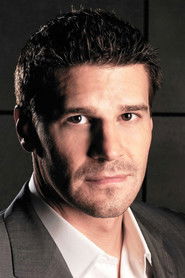
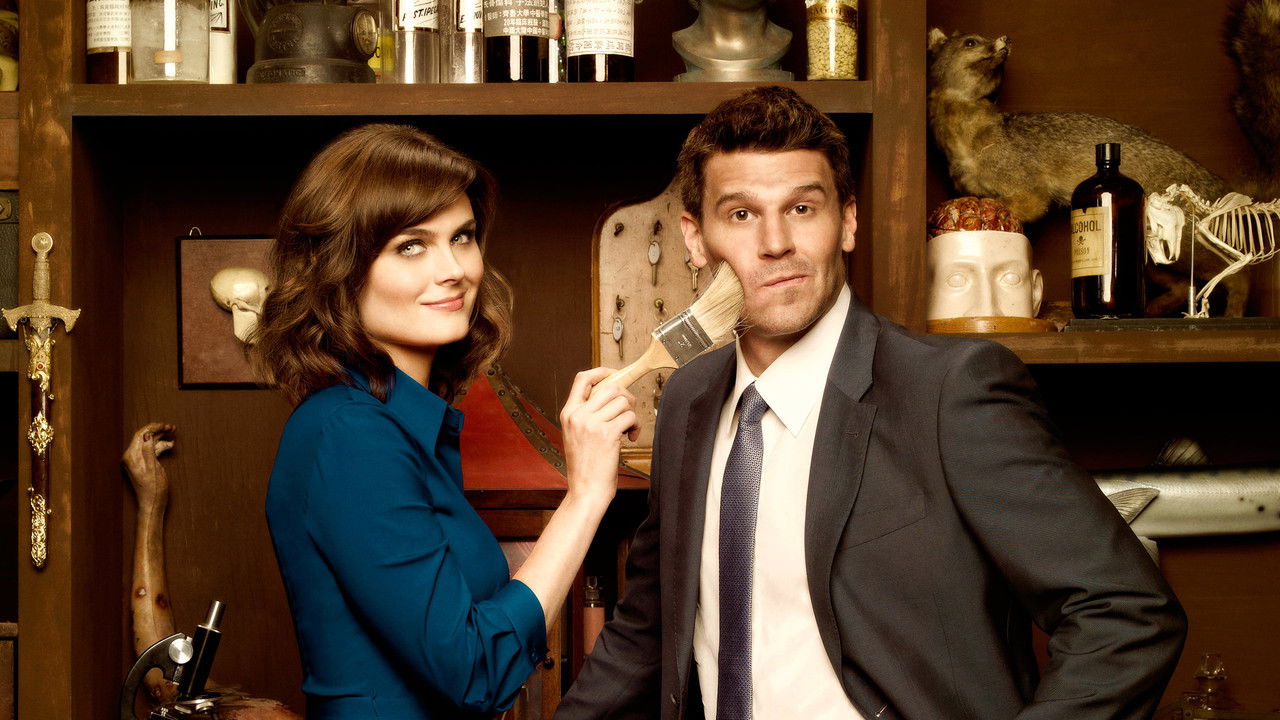
None of that would matter without Emily Deschanel. Her Brennan is built out of physical control. Straight spine, lifted chin, every room approached like a data set that might also be hostile. Deschanel has to be rigid enough for the long-term softening to matter, and she gets that balance exactly right. Opposite her, David Boreanaz plays Booth with loose-limbed emotion, all gut feeling and visible damage. Their chemistry works because they don’t meet in the middle quickly. They circle, resist, annoy, and slowly alter each other.
The *Los Angeles Times* wrote back in 2005 that the show "wants to be more character-driven and warmer than your garden variety 'CSI,'" but that it was also "rather too slick for its own good". Fair enough. The show absolutely has its polished, network-friendly habits. The dialogue can sound engineered. A lot of cases wrap up suspiciously neatly. But that slickness is mostly camouflage.
What *Bones* really offers, week after week, is comfort. Not just in the romance or the banter, but in the idea that someone will care enough to reconstruct you after the world has reduced you to fragments. Under all the quips, chemistry, and decomposing corpses, that’s the quiet promise the show keeps making. It’s a sentimental promise, maybe. I still think it works.