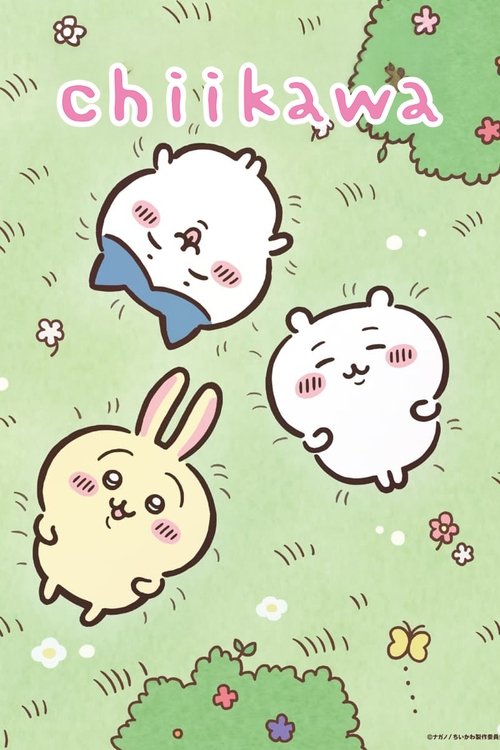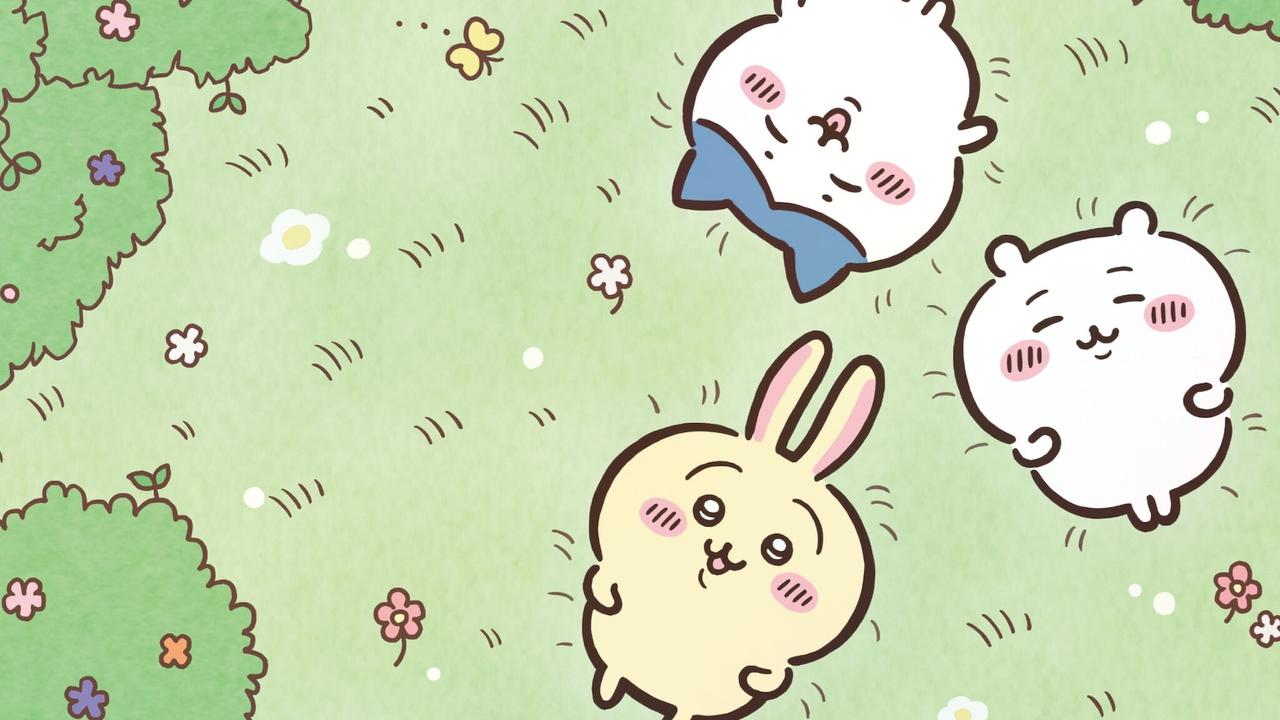
The Weight of Cuteness in a Capitalist WorldI expected to be sold a plushie. You look at the promotional material for *Chiikawa*—a 2022 anime series centered on a round, squeaky, genderless creature with blushing cheeks—and your brain immediately categorizes it as a cynical merchandising vehicle. (I mean, the Sanrio collaborations basically write themselves). Yet then you actually watch it. Within a handful of 90-second episodes, the pastel-colored facade cracks, revealing an undercurrent of existential dread that I am still trying to fully process. It is a show that wraps the crushing realities of modern wage labor in a remarkably soft, squishy package.
Adapted from the viral manga by Nagano and directed by Juria Matsumura and Takenori Mihara, the series occupies a strange, liminal space in Japanese pop culture. It does not follow the hyper-polished, invincible trajectory of a Hello Kitty. Instead, it places its impossibly adorable protagonists in a world bound by the harsh rules of capitalism. These tiny animals don't just frolic; they have to punch a clock. They weed fields and work assembly lines to afford basic sustenance.

The craft of the show relies entirely on this dissonance. Visually, everything is rendered in soothing, rounded shapes and muted candy colors. Yet the sound design and pacing often betray a quiet anxiety. The episodes are violently brief—airing originally in Japan as tiny interstitial segments—which means the narrative rhythm frequently cuts off right when a moment of stress peaks. Whether that abruptness is a clever stylistic choice or just a byproduct of television scheduling is debatable, but the effect is undeniable. You are left sitting with the tension.
Take the sequence where Chiikawa and the endlessly optimistic feline Hachiware are simply trying to buy a weapon. They are not gearing up for a grand fantasy quest. They need to defend themselves from chimeras—mutated, predatory beasts that roam their world and occasionally prey on them. The camera lingers on their small, trembling bodies as they count their hard-earned coins. There is a tactile desperation to the way they clutch their meager savings. When a chimera does appear, the threat is not sanitized. It is genuinely unnerving. The implication that these adorable beings might literally be eaten—or worse, that the chimeras are actually mutated versions of their own kind—hangs heavy over the bright scenery.

This delicate balancing act works largely because of the vocal performances, which are astonishingly raw. Instead of hiring seasoned adults to pitch their voices up, the production cast actual children. Haruka Aoki, who voices Chiikawa, brings a fragile, unpolished authenticity to the role. Chiikawa barely speaks actual words, communicating mostly in panicked squeaks, grunts, and a recurring, desperate "wa!". Aoki does not sound like a cartoon character; she sounds like a real, frightened child trying to navigate a world that is far too big for her. The physical tension in her vocal cords—the way a sigh shudders before it escapes—translates into a deeply empathetic portrait of daily survival.
It makes sense that fans in mainland China have dubbed the series "Digital Ibuprofen". There is a strange comfort in watching something so small endure so much. As the artist Takashi Murakami has previously pointed out in his critiques of kawaii culture, Japan has a habit of using cuteness to mask deeper societal anxieties. *Chiikawa* strips away the mask by making the anxiety the actual text. Nagano herself has noted in interviews that her creation is meant to be a mirror. It reflects our own fatigue back at us, just with rounder ears.

I am not entirely sure if the series can sustain this tightrope walk forever. With hundreds of micro-episodes already out, the repetition of "work, suffer, find a tiny moment of joy" risks becoming its own kind of numbing routine. Yet when it hits, it leaves a bruise. You come to the show expecting a fleeting distraction, and instead, you find a remarkably honest distillation of what it feels like to just try and get by in a world that owes you nothing.