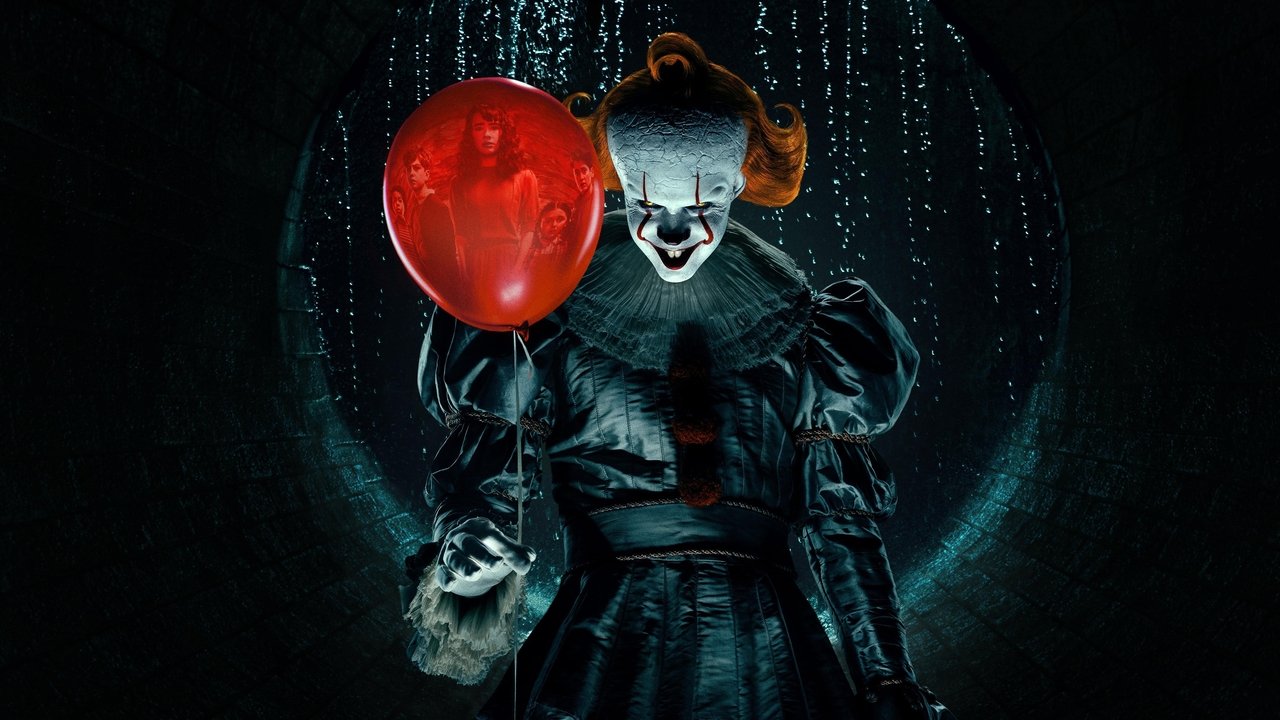
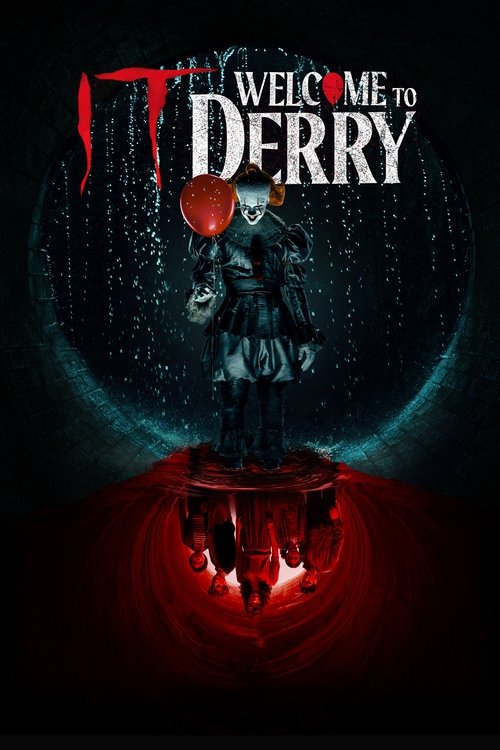
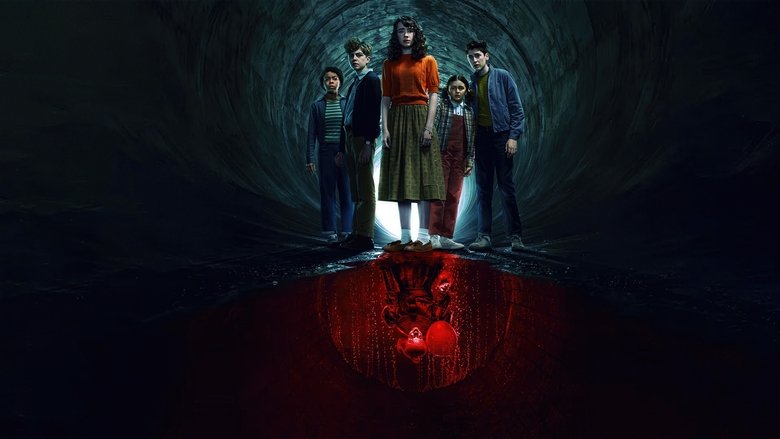
In 1962, amid a spate of unexplained disappearances of local children, a group of misfit friends begin to suspect a long-buried ancient evil lurking. As the kids set out to determine what's really going on, a rising unease prompts several townspeople to work together to restore peace – all while a U.S. military operation seeks to exploit Derry for its own objectives.
Seasons
2 listed
Status
Returning Series
Seasons
2 seasons
Episodes
8 episodes
First aired
Oct 26, 2025
Last aired
Dec 14, 2025
Network
HBO
Latest episode:S1 E8 Winter Fire (Dec 14, 2025)
Season 1
8 episodes Oct 26, 2025 6.7
In 1962, amid a spate of unexplained disappearances of local children, a group of misfit friends begin to suspect a long-buried evil lurking. As the kids set out to determine what's really going on, a rising unease prompts several townspeople to work together to restore peace – all while a U.S. military operation seeks to exploit Derry for its own objectives.
Season 2
0 episodes
In season 2, set in 1935 amidst the Great Depression, revolves around the bloody massacre of the Bradley Gang, a group of bank robbers who stop in Derry to buy ammo and end up facing unimaginable horror.
Prequels usually make me nervous. Too often they exist to stamp official explanations onto mysteries that were better left half-seen, turning atmosphere into franchise homework. So when HBO announced IT: Welcome to Derry, a 1962 prequel about Stephen King’s most marketable clown, my first reaction was fatigue.
I was bracing for mythology bookkeeping. What Andy and Barbara Muschietti are doing is a little smarter than that. Rather than simply backdating the jump scares, they dig into the civic rot that makes a place like Derry such easy hunting ground.
1962 is a rich feeding season for something like Pennywise. The Cold War hangs over everything, schoolchildren are being trained to fear annihilation, and racial integration is exposing just how ugly white respectability can get when challenged. That is where the show finds its pulse.
Diego Lerer at Micropsia described it as "a racially charged drama with horror bubbling just beneath the surface," which feels dead on. The Muschiettis frame Pennywise less as an outside invasion than as Derry made flesh: fear, indifference, cruelty, all given teeth and appetite. The sickness belongs to the town before the clown even grins.
Audience Opinions
Audience 8.0/10
"A dread-soaked, emotionally charged IT prequel that deepens Derry’s mythology and characters while stumbling over clunky CGI, slow pacing, and divisive story choices."
Atmosphere, lore, and performances stand out, with Pennywise coming off more menacing than in the films and several child and adult characters earning strong emotional investment. At the same time, the season’s front half feels sluggish, heavy exposition and an overreaching military subplot dilute the core horror, and some representation and character arcs spark heated disagreement.
What viewers praise
Terrifying Pennywise presencePennywise is portrayed as more dangerous and unsettling than in the movies, with several attack scenes singled out as unforgettable high points.
Thick horror atmosphereThe show leans into grim, oppressive tension and gruesome set pieces that make Derry feel cursed and hostile from the opening episodes.
Engaging mythology and loreThe backstory of Pennywise and the town’s cycle of violence is expanded in ways that feel fresh, with twists late in the season sparking a lot of excited theorizing.
Strong key performancesBill Skarsgård’s IT, Chris Chalk’s Halloran, and several younger characters are praised for grounding the horror with genuine heart and vulnerability.
Emotional investment and payoffCharacter relationships and certain finales, including specific returns and fates, hit hard enough that some viewers call it one of their favorite shows of 2025.
Common complaints
Weak CGI and green screenDigital effects and backgrounds often look cheap and cartoonish, clashing with solid practical work and robbing some monsters of impact.
Slow and uneven pacingThe first episodes are widely described as very slow, with stretches that feel like the story is circling in place before the back half finally clicks.
Divisive subplots and lore changesMilitary, pillar, and government storylines, plus certain time and mythos twists, are criticized for straying too far from IT’s core concept and feeling unnecessary.
Inconsistent writing and dialogueExposition-heavy scenes, cheesy lines, and some clumsy attempts at humor or drama make parts of the script feel like a watered-down imitation of Stephen King.
Mixed response to representationPortrayals of racial issues, Native characters, and historical movements are seen by some as powerful and by others as forced, stereotypical, or biased.
Recommended for
IT universe completionists Stephen King adaptation collectors Slow-burn horror series fans Mythology-heavy horror lovers Character-driven supernatural drama fans
Buzz & Rumors
Public reports
RED BALLOONS & REAL DRAMA: The Juiciest Off-Screen Tea From IT: Welcome to Derry
Move over, killer clown — the real thrills are happening when the cameras stop rolling. From fan-fueled dating hysteria to an actress publicly cursing out her own character’s choices, the Welcome to Derry set has been quietly serving chaos. Consider this your blood-splattered guide to the best real-world gossip floating around Derry.
On-Set Drama & Creepy Clown Energy
Bill Skarsgård didn’t just slip back into Pennywise — he turned the entire shoot into his own haunted house. Cast interviews reveal he spent production pulling all kinds of Pennywise pranks on set, using the full clown look to scare co-stars between takes.
Despite the terror, he reportedly made a point of keeping the younger actors safe and comfortable, carefully separating “murder clown” from “nice Swedish guy” when the cameras stopped.[2]
Jovan Adepo and Taylour Paige (the Hanlon grandparents) described filming the sewer and tunnel sequences as physically brutal: long days, freezing water, cramped sets, and wardrobe tricks like wetsuits and hidden layers under costumes. Paige got to wear rain boots; Adepo was stuck in soggy costume boots for “authenticity.” Horror and trench foot, what a combo.
Stunt days got wild. Adepo spilled that Rudy Mancuso actually pulled a real backflip in a fight scene — no CGI, just full acrobat mode in the middle of Derry carnage.[4]
Cast Feuds & Creative Shade
Public feud? No. Public side‑eye? Absolutely. Taylour Paige went on record saying she is “not happy” with Charlotte’s big finale decision, dropping a very un‑Grandma‑Hanlon “No f*cking way” when asked if she agreed with it.
She basically called her own character’s arc out in multiple interviews, hinting Charlotte’s story might be done if Season 2 happens.[7][8] The writers’ room must be feeling that psychic burn.
On the friendlier side, Paige and Adepo built their family chemistry the old-school way: coffee dates in L.A. and shared music playlists. They traded tracks like Sam Cooke, The Supremes, Ella Fitzgerald, Nat King Cole and even sent the playlist to director Andy Muschietti to set the emotional vibe on set.[4]
Paige also joked that Chris Chalk (Dick Hallorann) “annoys” Adepo in real life in the same way Hallorann needles Leroy on screen — all in good fun, but you just know those press junkets were spicy.[4]
Romance Rumors & Fan Shipping Chaos
The biggest “are they or aren’t they?” in Derry belongs to Arian S. Cartaya (Rich) and Matilda Lawler (Marge).
TikTok and Reddit went feral shipping them, to the point where the two had to address the rumors in a livestream, clarifying they’re not dating in real life and that fans are… overenthusiastic.[4]
Multiple TikTok edits and lives show them laughing off the speculation, but rumor has it the more they deny it, the more fans ship them anyway.[3]
Scandals, Controversies & Fandom Fights
The show’s heavy focus on racism and the Black Spot storyline ignited some very loud discourse online. Certain viewers complained the series was “too woke” and that the racial violence overshadowed the horror.
The showrunners clapped back, saying they were just “painting reality” of 1960s America and that if showing segregation and racist violence counts as an agenda, that says more about the complainers than the show.[11]
Critics and fans also dragged the inconsistent ages of the kid actors mid-season — and they’re not wrong. Because the 2023 SAG-AFTRA strike halted filming for months, the child cast literally grew up between episodes.
One Reddit thread pointed out that Will looks like he “aged three years” between Episode 4 and 5; users explained it’s because shooting stopped and resumed after a long gap.
Stephen Rider later called the strike delay “the biggest blessing” for his character, but visually, the kids went from “middle school misfits” to “you’re driving to set now, right?” almost overnight.[4][6]
Leaks, Deleted Scenes & Lost Nightmares
The most heartbreaking Derry casualty? A whole Paul Bunyan reporter subplot that got chopped in the edit.
According to behind-the-scenes breakdowns, there was originally a young reporter who came to Derry to investigate a Paul Bunyan statue controversy, only to slowly get swallowed by the town’s apathy and fog. Her arc would’ve shown how Derry turns outsiders from truth-seekers into complacent, complicit residents.
The wildest cut idea: a tiny blue ox ghosting her through town — sometimes with BILL SKARSGÅRD’S FACE superimposed on it as a non-lethal Pennywise manifestation meant to erode her faith and memory. Budget and time killed this fever dream before it reached our screens.[5]
The creatives also admit there was more planned for Rudy Mancuso’s character Paulie, who they felt could’ve been one of the emotional anchors of the series if there’d been more time.[5] Instead, he’s another “what could have been” floating in the Derry void.
Wild Fan Theories & Internet Obsessions
Fans went so deep into theory mode that the Welcome to Derry team had to formally debunk a crossover rumor with The Mist, clarifying there’s “no connection” and explaining the fog has different meaning in Derry’s mythology.
On fan theory boards, one particularly juicy speculation claims Marge might actually be Richie Tozier’s mom — a retroactive origin story tying this prequel to the later Losers’ Club generation.
This is pure fan speculation for now, but it’s popular enough that if Season 2 doesn’t address it, expect thinkpieces.
Pennywise may feed on fear, but Welcome to Derry clearly feeds on drama, from clown pranks and actor side‑eye to deleted blue-ox nightmares and TikTok-fueled ship wars. If this is just Season 1’s gossip… Season 2 might be the real horror show.
Entertainment rumors and trivia aggregated from public reporting. Treat speculation as
unverified unless a cited source confirms it.