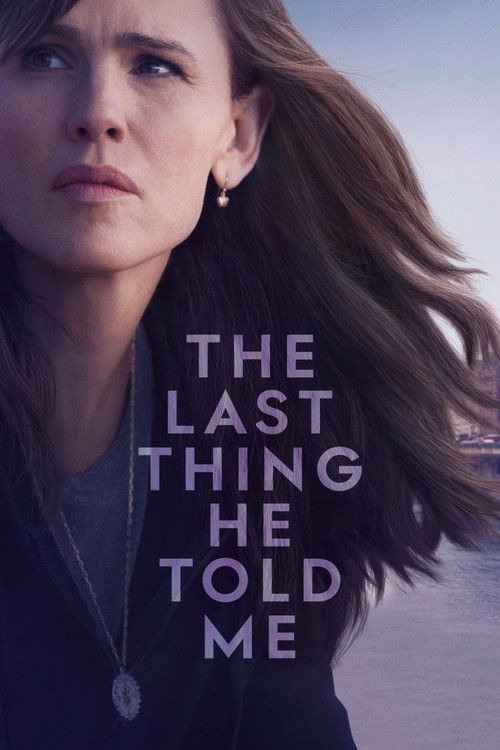

The Weight of What We Don't KnowI know this trick: a glossy, Reese Witherspoon-produced adaptation of a beach-read thriller that wraps up nicely, only to be resurrected years later because the streaming metrics demanded it. *Big Little Lies* is the most obvious offender, and now Apple TV+'s *The Last Thing He Told Me* has followed suit. Watching the second season premiere this February, I couldn't help but feel a twinge of exhaustion. The first season, which dropped back in 2023, was a neatly contained mystery. It wasn't perfect. Actually, it was often aggressively fine. But it had a clear engine: a woman, a missing husband, a hostile stepdaughter, and a duffel bag full of cash. Now that we're pushing into 2026 and expanding beyond Laura Dave's original novel, the seams are starting to show. Whether that's a flaw or a feature depends on your patience for suburban paranoia.

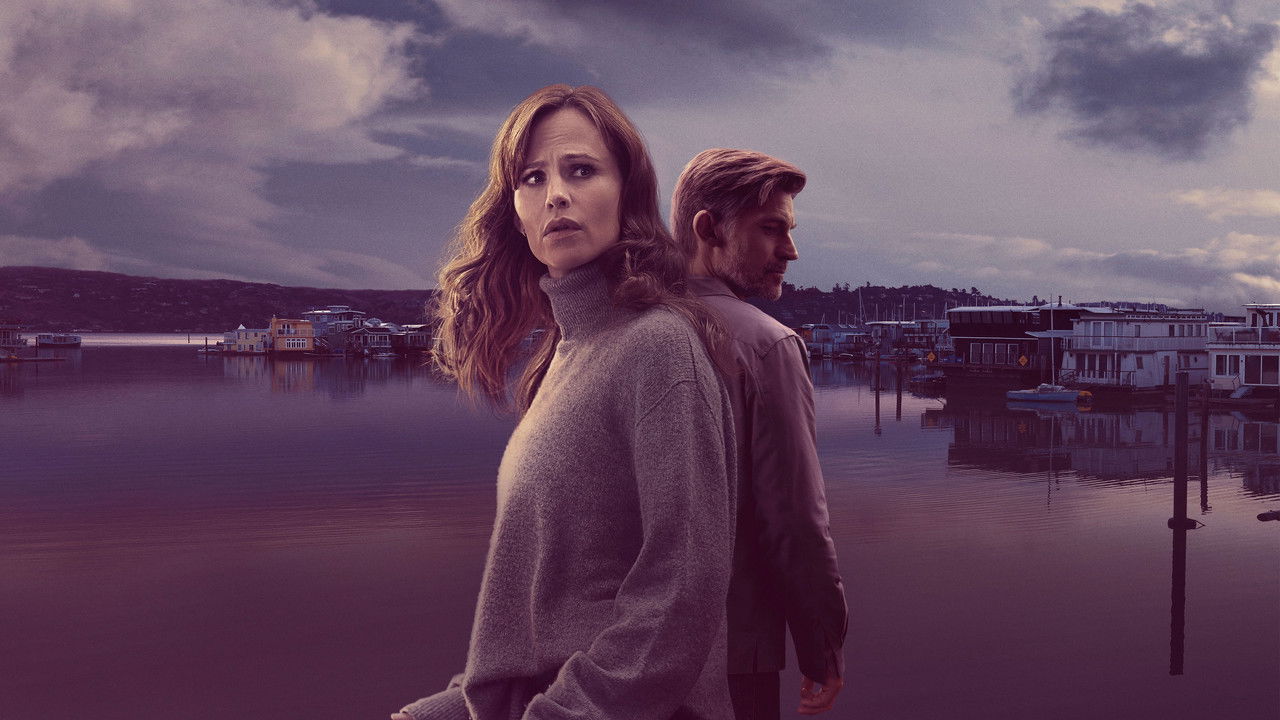
Dave adapted her own book alongside her husband, screenwriter Josh Singer. It's a fascinating pairing. Singer usually deals in the hard, cold facts of institutional rot (*Spotlight*, *The Post*), while Dave operates in the emotional messy middle of domestic life. You can feel them wrestling for control of the tone. Half the time, the series wants to be a high-stakes conspiracy thriller about a tech firm's Enron-style collapse. The rest of the time, it's a quiet indie drama about the thorny, delicate mechanics of building trust with a teenager. (Guess which half works better.) The camera lingers endlessly on the impossibly expensive floating homes of Sausalito, California. Everything is bathed in a soft, wealthy fog. It looks expensive, but it often feels strangely airless, like a museum exhibit of a life rather than a lived one.
Let's talk about the note. The catalyst for the entire series. Hannah Hall (Jennifer Garner) is standing in her kitchen when she realizes her husband Owen (Nikolaj Coster-Waldau) is simply gone. He leaves a piece of paper that says only: *Protect her*. It refers, obviously, to his sixteen-year-old daughter Bailey (Angourie Rice). Watch what Garner does with her body in this sequence. She doesn't scream or collapse. The camera stays tight on her shoulders as her posture physically hardens. Her eyes do that rapid, scanning movement of a person trying to rewrite their entire reality in real-time. It's a great piece of acting because it's entirely internalized panic. We're so used to TV thrillers giving us hysterical meltdowns, but Garner plays it like a woman who just realized the floor beneath her is made of glass.

Garner is the only reason the show stays afloat. Those of us who spent the early 2000s watching her kick through plate-glass windows in *Alias* know she has a deep well of action-star stamina. Here, she's asked to channel all that grit into a woodturner from Northern California. (Yes, she makes artisanal salad bowls. It's ridiculous, but we move on.) She gives Hannah a grounded, fiercely maternal edge that elevates the occasionally clunky dialogue. Rice, too, is remarkably good as Bailey. She avoids the trap of the standard-issue bratty teen, slowly letting her hostility thaw into a terrified, desperate dependence. Their dynamic is the real mystery of the show. Solving the husband's disappearance almost becomes secondary to watching these two women figure out if they actually like each other.

Still, the show's insistence on dragging the narrative out diminishes the impact. As The A.V. Club noted during the first season, Garner "is the glue that holds the show together," giving a "commendably restrained performance" that salvages a middling script. That assessment holds even truer now. With Coster-Waldau mostly relegated to shadowy flashbacks and cryptic reappearances, the thriller elements often feel like an interruption. I'm not really sure the jump to a second season was creatively justified. The mystery starts to feel like an excuse to keep the cameras rolling. Yet, whenever the focus narrows back to Hannah and Bailey sitting in a car, untangling the lies of the man they both loved, the show finds its pulse. It asks a quietly terrifying question: Can you ever fully know the person sleeping next to you? The answer, at least according to this show, is no. But you might just learn to live with the stranger they leave behind.