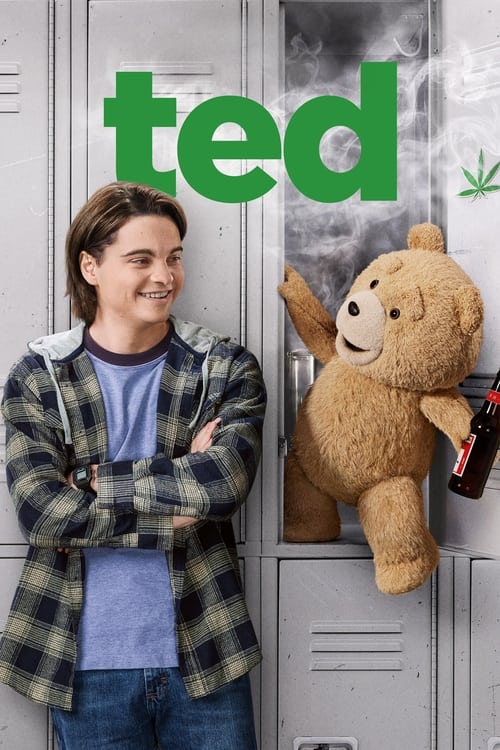

The Bear Trap of NostalgiaI’ll admit I wasn’t exactly waiting around for more *Ted*. By the time Seth MacFarlane’s foul-mouthed, pot-smoking teddy bear wrapped up his movie run in 2015, the joke had gone flat. Bong water in the sun flat. The premise—your childhood wish comes true and then refuses to leave for thirty years—was funny once, and then it started sagging under its own weight. So when Peacock announced a prequel series set in 1993, I approached it the way you approach a dental appointment: with resignation. I expected a lazy pile of frat-boy gags dressed up as brand extension. I was wrong, mostly.
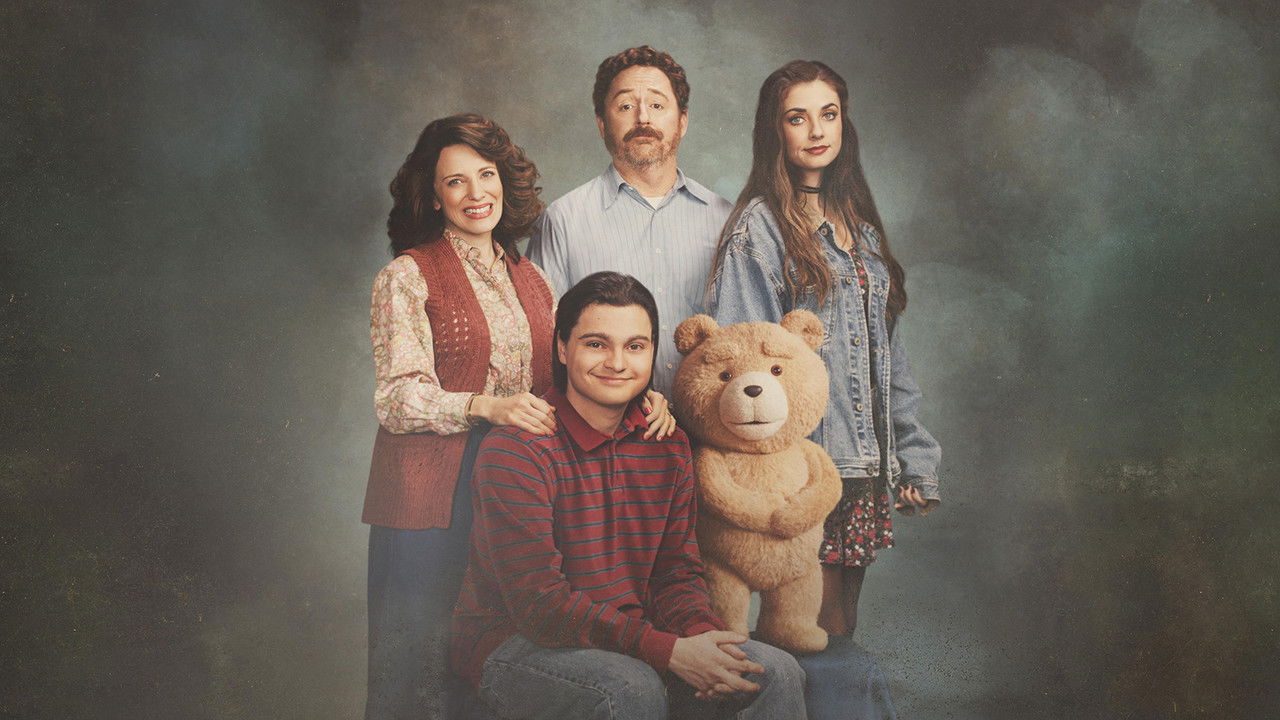
What MacFarlane has made here is not just a prequel but a surprisingly sharp dismantling of the traditional multi-cam family sitcom. Once you take away the films’ limitless adult playground, Ted (voiced with the usual Massachusetts grime by MacFarlane) and his 16-year-old best friend John (Max Burkholder) are stuck in the suffocating confines of working-class Framingham. Putting them inside a suburban home and a high school accidentally gives the show what the movies never had: stakes. The humor is still wildly crass—sometimes to the point of exhaustion—but the rigid structure of a '90s sitcom gives all that profanity something sturdier to crash against.

The smartest thing here isn’t the bear. It’s the people around him. Burkholder nails Mark Wahlberg’s particular rhythm of dim, earnest sincerity without tipping into impression work. You can see the effort it takes John to form a thought before he says it; he carries himself in that defensive slouch of a kid always bracing for someone to snap at him. But the real revelation, the thing that keeps the show alive whenever the shock humor starts wheezing, is Alanna Ubach as John’s mother, Susan.
If you’ve watched television at any point in the last thirty years, you know Ubach. She has shape-shifted through everything from *Legally Blonde* to *Euphoria*. Here, she takes the stale role of the "sweet sitcom mom" and fills it with something twitchy and almost alarming. There’s tension tucked inside that smile. Watch what happens to her body when her husband Matty (Scott Grimes, playing a combustible mix of post-Vietnam resentment and Fox News pre-gaming) starts shouting. Susan’s shoulders don’t tighten; they drop into a practiced softness. She smiles more. Ubach plays her like a woman surviving her own home through relentless, forced brightness. As Collider noted in their review, "The star of Ted, who steals every scene — even if it's with a CGI stuffed toy — is John's mother, Susan." She turns what could have been a dead-simple caricature into something sadder and much more real.

That survival instinct gets pushed to the foreground in "Desperately Seeking Susan," a mid-season episode that works as a strangely affecting bottle episode. With encouragement from John’s radically liberal cousin Blaire (Giorgia Whigham)—who mostly exists to hand Matty fresh material to shout about—Susan and Matty agree to let Ted serve as their marriage counselor. It sounds like an excuse for cheap sex jokes. And yes, there are sex jokes. Plenty. But under all the vulgarity, the camera hangs on Susan’s face as she tries to explain why she stays with a man who is angry all the time. The editing eases up. The punchlines briefly back off. For a moment, the show leaves a little pocket of real sadness sitting there. It doesn’t erase the series’ crudest instincts, but it does show MacFarlane knows how to smuggle something honest through them.
The central problem is that it doesn’t always hold. AV Club's Jarrod Jones rightly called the series "a profane, obvious lampoon of old sitcom tropes," and the "obvious" is hard to argue with. MacFarlane still has the bad habit of grabbing a joke and strangling it for another forty-five seconds just to see if you crack. Episodes regularly push past 40 minutes, bloated in a way that suggests nobody in the edit had either the nerve or the power to cut harder. The side trips into Alive-style survival arguments or extended pop-culture riffing feel lifted straight out of *Family Guy*. You can practically hear the cutaway sting in your head.

Whether that ruins the show comes down to how much patience you have for MacFarlane’s style of comedic overkill. I spent at least two moments per episode groaning at some gag that should have ended much sooner. Then Susan would hand somebody a casserole with that battered smile, or Ted would toss out some offhand line about the suffocation of high school that landed perfectly, and I was back in.
I’m still not convinced the world needed a *Ted* origin story. The cultural legacy of a CGI bear who likes weed and '80s references is, if we’re being honest, not that deep. But by shifting away from the arrested development of grown men and focusing on actual adolescence—and the adults failing all around it—the show earns its place. It is messy, overlong, and often offensive. It is also, unexpectedly, human. For a series about a stuffed toy, that’s a real achievement.