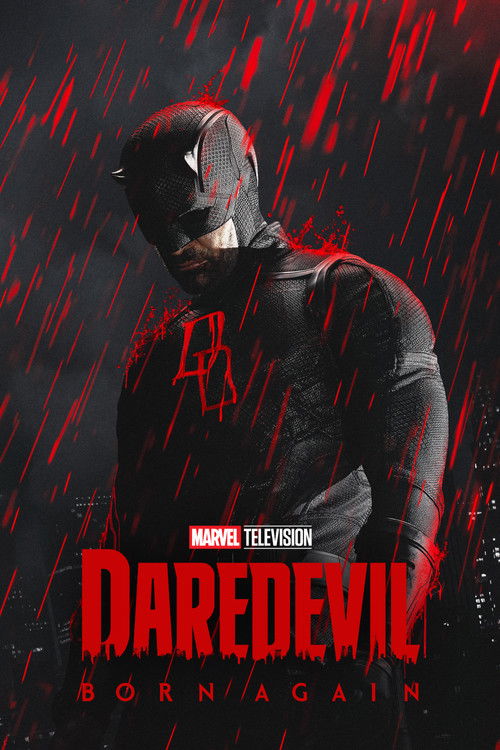
The Blood on the BallotI didn't expect to care about a superhero show in 2025. Honestly, the genre has felt like a deflated balloon for years, weighed down by multiversal fatigue and weightless digital skies. But *Daredevil: Born Again* does something incredibly rare for a modern franchise: it puts its feet on the pavement. Showrunner Dario Scardapane—who famously took over a troubled production mid-stride, scrapping half the script to bring the narrative back to earth—understands that a man in a devil costume isn't inherently interesting. The interesting part is the city that makes him think he needs to wear it.
The central tension of this nine-episode first season isn't about saving the universe. It’s about zoning laws, police corruption, and a terrifyingly plausible political campaign. Wilson Fisk (Vincent D'Onofrio) isn't just a mob boss anymore; he's the Mayor of New York. And Matt Murdock (Charlie Cox) has essentially retired his vigilante alter ego. He’s just a blind lawyer trying to fight a system that's rigged against his clients.

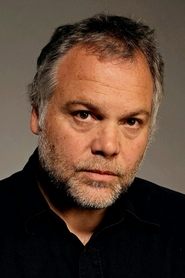
D'Onofrio’s performance has always been the anchor of this mythology, but here, he finds a new register. Gone are the days when Fisk would just crush a man's skull in a car door. Now, he wears bespoke suits and smiles for the cameras, weaponizing institutional power with a chilling gentility. Look at how D'Onofrio holds his massive frame behind a podium. He minimizes his own physical space, stooping slightly, softening his voice to a paternal whisper. It’s a brilliant physical translation of authoritarianism wrapped in civic duty. As Mike Manalo of *The Nerds of Color* accurately noted, the series is "a mature, deep exploration on the natures of violence, identity, guilt, responsibility, and corruption."
(It’s hard not to read Fisk’s rise—complete with a loyalist task force and a catchy slogan—as a direct reflection of our own exhausting political climate. Sometimes the allegory is a little too on the nose. But it works because D'Onofrio plays the delusion of patriotism so perfectly.)
There's a scene midway through the season that I’m still thinking about. It doesn't involve martial arts or a hallway fight. Matt and Fisk meet in a brightly lit diner. The spatial geometry of the shot is suffocating. The camera sits almost uncomfortably close to their faces across the Formica table, capturing the subtle muscle twitches in Cox’s jaw. Matt is entirely still. He uses his stillness as armor, knowing any display of emotion is a weakness Fisk can exploit. Cox lets his unseeing eyes drift just slightly off-center of Fisk’s face, a physical reminder of his vulnerability, while his posture remains rigidly defiant. It’s a masterclass in holding a frame.

The show isn't without its missteps, though. The pacing occasionally drags, a likely byproduct of the mid-production creative overhaul that stitched together old footage with new direction. Some of the newer supporting cast members feel like they belong in a slightly cheaper procedural. Michael Gandolfini plays Daniel Blake, Fisk’s young, naive political advisor. Gandolfini brings a pathetic, nervous energy to the role, constantly shifting his weight as if waiting for a blow to land. He’s a walking metaphor for a younger generation becoming complicit in a dirty game they don't fully understand. It’s a solid performance, but the script sometimes forces him into clumsy exposition dumps.
Yet, when the show focuses on the failure of institutions, it sings. Matt's courtroom scenes highlight the bleak reality of a legal system designed to warehouse the poor rather than rehabilitate them. The violence in *Born Again* isn't just physical; it’s systemic.

Whether Scardapane can maintain this delicate balance of legal drama and pulp grit in the upcoming second season remains an open question. I’m not entirely sure the show knows how to fully integrate the eventual return of the Daredevil suit without breaking the grounded spell it works so hard to cast here. But for now, *Born Again* succeeds because it recognizes that the real battle for a city doesn't happen on rooftops. It happens in courtrooms, voting booths, and the quiet, terrible compromises people make in the dark.