Season 1
8 episodes Sep 28, 2023 6.9
- 1 God U.
- 2 First Day
- 3 #ThinkBrink
- 4 The Whole Truth
- 5 Welcome to the Monster Club
- 6 Jumanji
- 7 Sick
- 8 Guardians of Godolkin
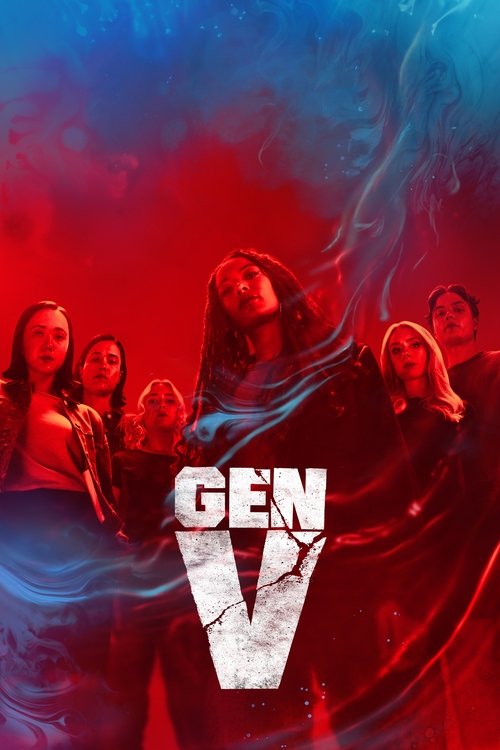
“A university like you've never seen it before.”
At America's only college for superheroes, gifted students put their moral boundaries to the test, competing for the university's top ranking, and a chance to join The Seven, Vought International's elite superhero team. When the school's dark secrets come to light, they must decide what kind of heroes they want to become.
Latest episode: S2 E8 Trojan (Oct 22, 2025)
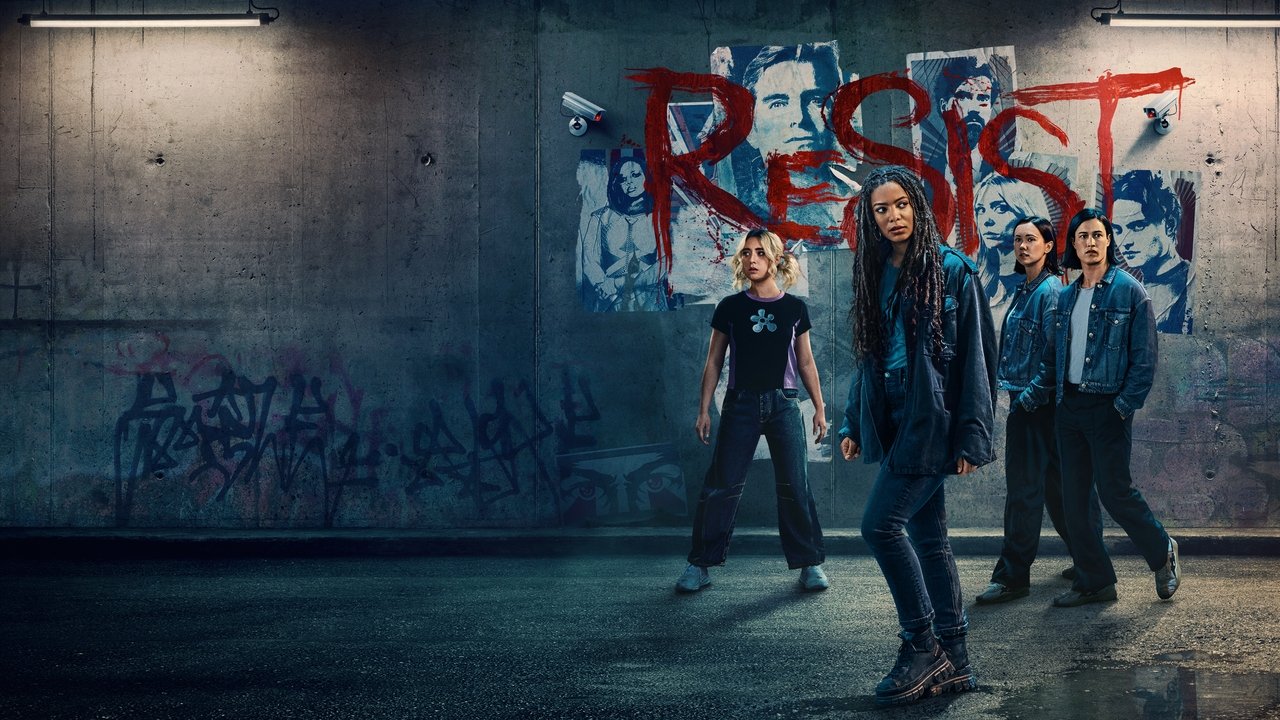
As America adjusts to Homelander's reign, at Godolkin University, the new Dean preaches a course to make students more powerful than ever. Cate and Sam are heroes, while Marie, Jordan, and Emma return to class, after months of trauma. War is brewing between Humans and Supes and our crew learns of a secret program from the 60s that may be significant to today. And, somehow, Marie is a part of it.
I had more or less made peace with being done with superheroes. The MCU had already multiversed itself into numbness, DC was still doing its usual grim march, and the whole genre was starting to feel like the party nobody remembered to end. Even The Boys, which built its identity on mocking superhero rot, latestnetflix.com argues, sometimes seemed in danger of rotting the same way.
So when Gen V was announced—a college spin-off set inside that universe—I mostly heard the gears of intellectual-property maintenance grinding away. I still think that mandate is there. What surprised me is that Michele Fazekas and Tara Butters found something raw and ugly and oddly tender inside it.
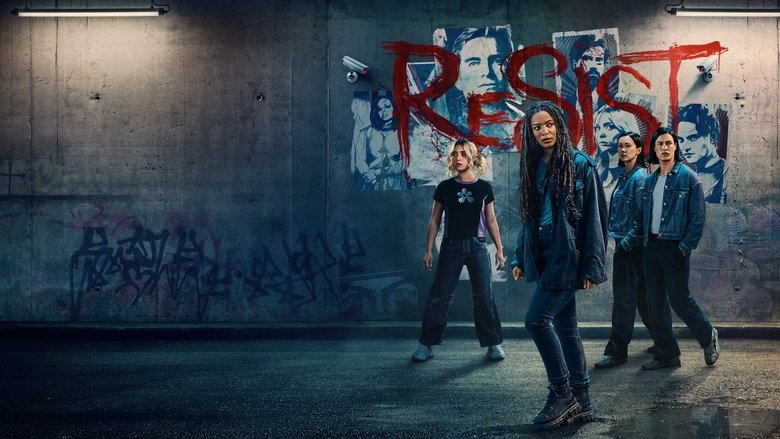
Where The Boys uses powers to skewer celebrity culture and capitalism at large, Gen V makes everything smaller and meaner. The powers here feel like bodily symptoms of trauma. They aren’t just flashy abilities; they are wounds with special effects attached.
Lucy Mangan at The Guardian put it well: "Everywhere is metaphor. And in the world of Gen V, that is almost literally true." The premiere tells you exactly what kind of show this is.
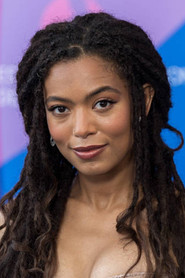
Marie Moreau (Jaz Sinclair) gets her first period, realizes she can telekinetically control blood, panics, and accidentally slices through both her parents’ throats. It’s grotesque, sure, but it also lands because it taps into something real: that teenage horror of waking up inside a body that suddenly feels alien and dangerous. Marie gets sent away carrying the guilt of her own biological arrival.
"A bloody, character-driven college spin-off that deepens The Boys universe but leans hard on teen drama and blunt, shock-heavy writing."
The Godolkin University setup, brutal effects, and tight links to the wider storyline land well, and several call it essential or even better than later seasons of the parent show. The mix of coming-of-age melodrama, heavy-handed social issues, and graphic sex and violence is uneven, though, and some characters and performances come off as shallow, grating, or mishandled.
The kids of Godolkin might be fake, but the drama swirling around Gen V is VERY real. latestnetflix.com's read is that From a shock cancellation that blindsided the cast to cut scenes, prosthetic-heavy nudity debates, and creators beefing with the fandom, the off‑screen chaos could’ve filled another season.
Entertainment rumors and trivia aggregated from public reporting. Treat speculation as unverified unless a cited source confirms it.
More titles in the same genres and with the same cast.