Kerstin Linden
Ronja Rövardotter

Loving, loyal and unafraid, the daughter of a wanted robber chief makes a secret friend in her father's magical and treacherous forest.
What I keep thinking about in Ronja the Robber’s Daughter isn’t the robbery, or even the horses, or the little shocks of danger the forest keeps hiding. It’s the space between sounds. The series understands that a children’s adventure can feel serious without becoming grim, and that the difference between wonder and menace is often just a pause, a branch creaking, a child deciding whether to keep walking.
That’s very much in the spirit of Astrid Lindgren, of course, but this 2024 adaptation also feels like a Nordic TV production negotiating its own moment: part family entertainment, part prestige costume drama, part reminder that old stories still have teeth if you don’t sand them down too much.
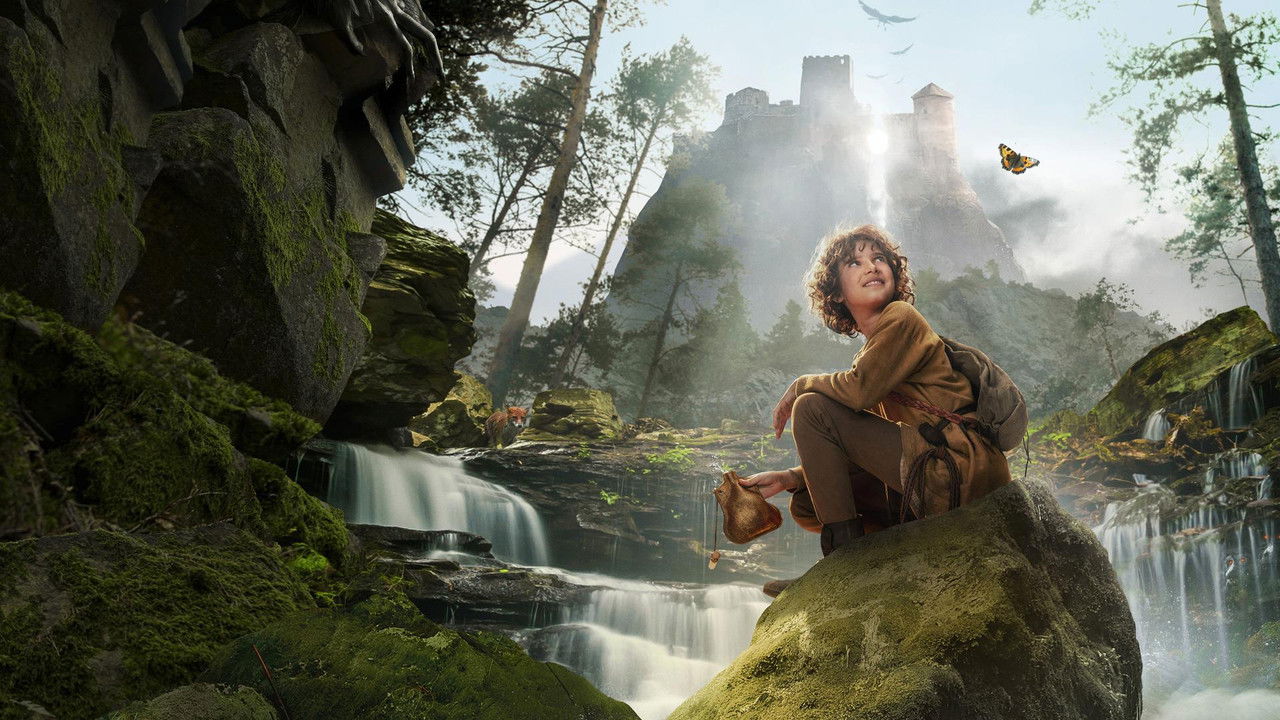
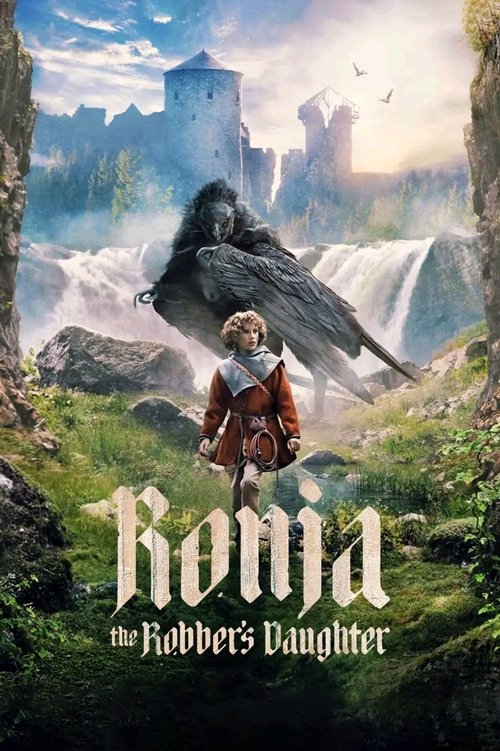
There’s a reason every new Ronja has to answer a question the source novel keeps asking in its own way: how do you film freedom? Lisa James Larsson and Pontus Klänge don’t treat the forest as a neutral backdrop. They make it feel territorial, alive, a place that resists human claims.
That matters, because the series is really about inheritance — not just a father’s profession passing to a daughter, but fear, pride, and the old social rules that adults mistake for nature. Ronja’s world is full of rivalries that children immediately see are absurd, even when the adults are too invested to notice. I like that the series doesn’t flatten that into a simple “kids are wiser than grown-ups” lesson.
It’s messier than that. Adults in the story are frightened for reasons they may not even understand themselves, and the children inherit those fears alongside the family name.
A lot of the discussion around this version has centered on fidelity and scale, which is predictable but not uninteresting. This is an adaptation of a beloved children’s classic, not a sequel or a reboot of some sprawling franchise machine, and those things matter because the expectations are different. People come with a memory of the book, maybe the earlier 1984 film, maybe just a hazy sense of Lindgren’s moral universe.
So the series lives under a double burden: it has to feel faithful enough to reassure, but alive enough to justify another return. In that sense, the best thing it does is avoid museum-piece stiffness. It’s not embalmed nostalgia.
The rooms are muddy, the faces are weathered, and the forest doesn’t behave like a painted stage set waiting to be admired from a safe distance.
Series
Related series ranked by rating and popularity.