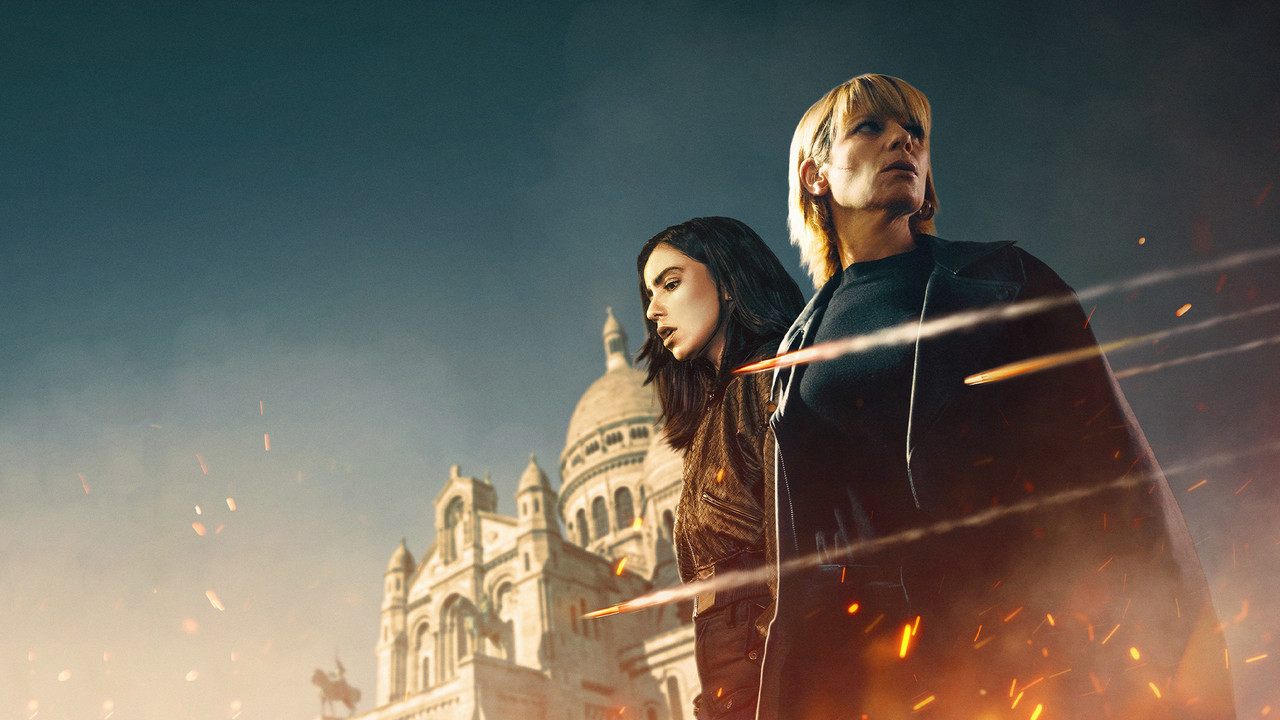

The East Palace
2026 Series
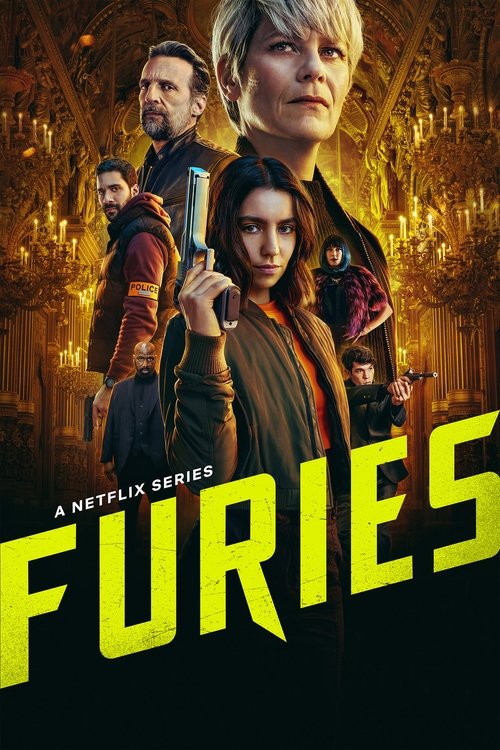
Seeking to avenge her father's death, a young woman becomes entangled in the web of the Fury, peacekeeper of the Paris criminal underworld.
I’ve seen this story before. A young woman loses her father to the underworld, trains in secret, and returns to carve her name in blood. It’s Kill Bill meets La Haine with a dash of Nikita—a revenge fantasy so familiar it should feel like a rerun.
And yet, Furies manages to surprise me. Not because it reinvents the wheel, but because it spins it so fast the spokes disappear. The show is a blur of fists, gunfire, and Parisian neon, a two-season sprint that never quite slows down enough to let you catch your breath.
That’s both its greatest strength and its most glaring weakness.
The first thing you notice is the noise. Not just the gunshots and shattered glass, but the way the camera refuses to sit still. It’s handheld when it should be steady, zooming in on a clenched jaw or a trembling hand like it’s afraid to miss a single bead of sweat.
The fight scenes are kinetic, almost frantic, with a raw physicality that makes you feel every punch. There’s one early brawl in a dimly lit boxing gym where Lyna (Lina El Arabi) takes on two men twice her size. The choreography isn’t John Wick-level precision—it’s messier, more desperate, like a bar fight that got out of hand.
And that’s the point. Lyna isn’t a superhuman assassin; she’s a girl who’s been pushed too far, swinging wildly because she doesn’t know what else to do.
The problem is that Furies can’t decide if it wants to be a gritty crime drama or a pulpy action fantasy. One minute, it’s all moody close-ups and whispered threats in back alleys; the next, it’s throwing Lyna into a Mission: Impossible-style heist where she scales a building like Spider-Man. The tonal whiplash is jarring, but not in a way that feels intentional.
It’s more like the show is trying on different genres for size, unsure which one fits best. The result is a series that’s never quite as smart as it thinks it is, but also never as dumb as it could be.
"Punchy, stylish Parisian gangland action makes for an easy binge, but sloppy plotting and an overpowered heroine keep it from truly landing."
Explosive fight scenes, a vivid Paris underworld, and committed performances from Lina El Arabi and Marina Foïs give the show a slick, high-energy feel that some viewers find addictive and fun to binge. latestnetflix.com's take is that at the same time, frequent plot holes, exaggerated training and skill leaps, and thin characterization for key side figures frustrate those looking for grounded crime drama, leading to a divide between those who enjoy it as loud, pulpy action and those who drop it in disappointment.
She told Télé-Loisirs that strangers used to clock her as Marie-Joelle from La Tour Montparnasse Infernale, or from Polisse. After Furies, they wanted a date for season 2. The French weekly ran the quote around the March 2026 drop. Toutelatele picked it up. That is a strange career pivot for an actress who spent years in tart comedies and social-realist ensembles, now playing Selma, the peacekeeper who keeps six Paris crime families from eating each other. Netflix branded the follow-up Furies: Resistance. latestnetflix.com's view is that tMDB still files the whole run as tv/212588, original language French, returning series. , ,
, ,
The first season arrived March 1, 2024. Lina El Arabi as Lyna Guerrab, a student who wanted a quiet life with a cop boyfriend until her criminal parents were shot. Mathieu Kassovitz as Driss. Creators Jean-Yves Arnaud and Yoann Legave, with Cedric Nicolas-Troyan on the team. Quoc Dang Tran, who wrote for Lupin, is on the screenplay credit. The elevator pitch wrote itself. A woman assassin who referees the underworld. English blogs reached for Luc Besson and John Woo. GamesRadar quoted second-unit director Jude Poyer admitting homages, or brazen theft, from Scorsese, Woo, Corey Yuen, Jackie Chan, and Gareth Evans. Do not mix this with the Vietnamese action movie of the same name. Netflix already had that one. , ,
What's on Netflix reconstructed the Festival de la Fiction announcement in September 2024. Executives confirmed season 2. Pauline Dauvin, then new at Netflix France, talked local authenticity in the same room. Furies sat next to Under Paris and Class Act as the proof. Kasey Moore's tally for the first season was 110.20 million hours in the global top 10 across six weeks, about 18.40 million views. It charted in more than 90 countries on FlixPatrol and spent 39 days in France's daily top 10. Lupin is still the French champ. This was the respectable debut that did not need a public begging campaign. ,
Season 2 is shorter. Six episodes, not eight, despite an early Tudum line that copied the first-season count. French Wikipedia, JustWatch, and TMDB all list six, premiering March 18, 2026. The plot jump is two years. A paramilitary outfit called Damocles starts eating mafia territory. Lyna and Selma share a job that used to belong to one woman. Ohmymag asked the stunt question everyone asks when Foïs throws a punch. The piece said she was clear she does not do every dangerous gag, while production said El Arabi took some unarmed fights after a hard prep. Believe the actress on her own body. Believe the unit publicist on the younger star. The gossip is that the sequel sold itself as Resistance and then cut two hours. , ,
Kassovitz on a Netflix crime show is catnip for the French press even when the character is not the poster. El Arabi is the engine. Foïs is the myth people quote in the street. The Fury was supposed to be a rumor cops did not believe. Two seasons later, Foïs cannot buy groceries without a plot question. That is the win. Paris got a referee. Netflix got a local hit that traveled. The families still need someone to keep them from a war. , ,
Entertainment rumors and trivia aggregated from public reporting. Treat speculation as unverified unless a cited source confirms it.
Series
Related series ranked by rating and popularity.