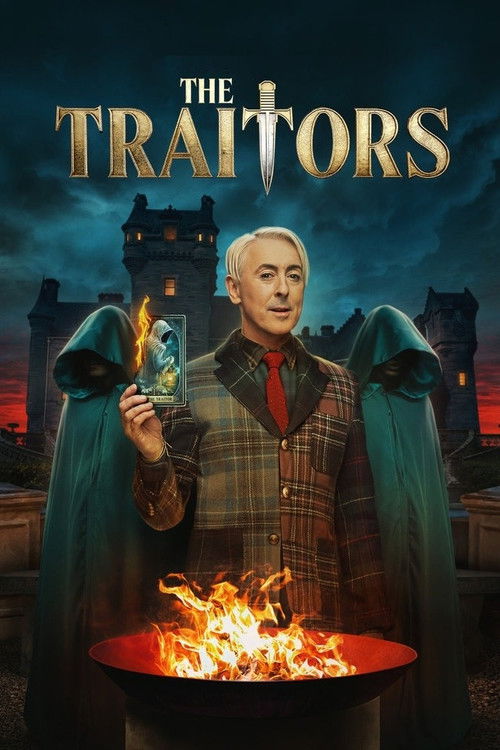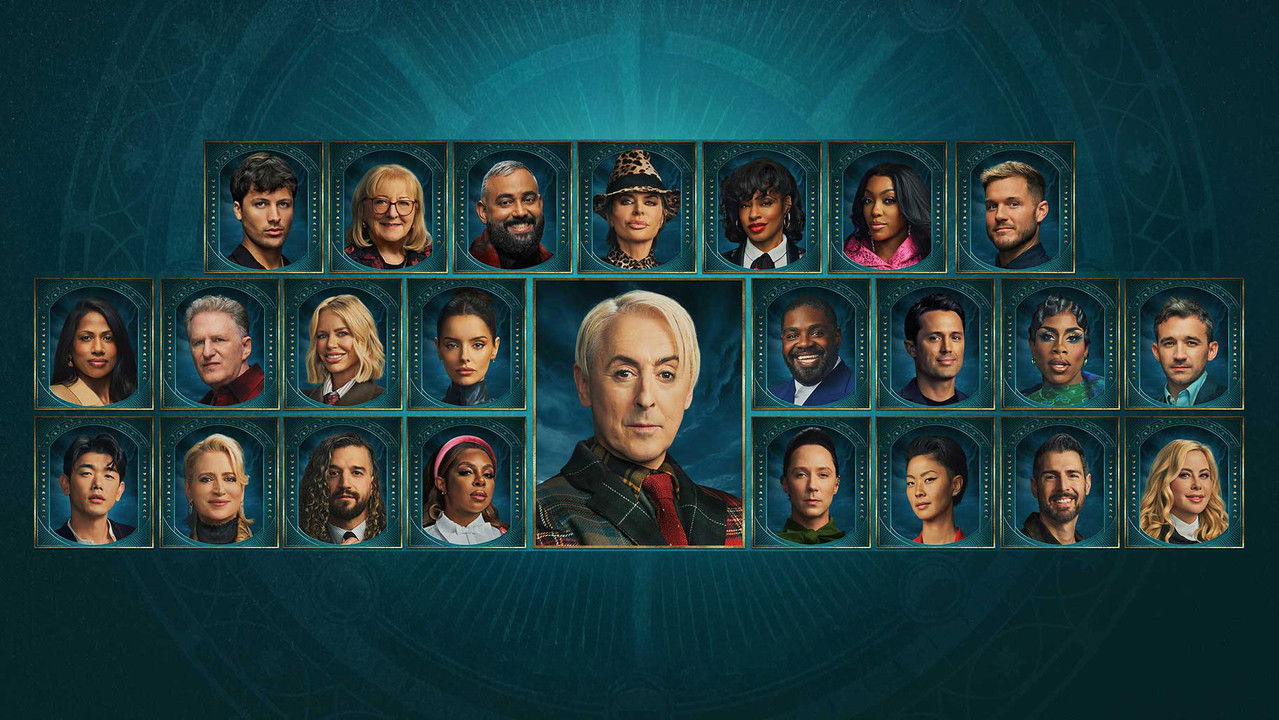
The Theater of the LieReality television usually works by stuffing terrible people into beautiful houses and letting the alcohol do the rest. Peacock's *The Traitors* goes another way. It locks a bizarre alliance of media-trained narcissists—*Survivor* schemers, Bravo housewives, MTV challengers—inside a 19th-century Scottish castle and asks them to lie to each other. I wasn't expecting much at first. On paper, it sounds like an inflated game of Mafia. Or Werewolf. Just stretched out with daytime-cable style challenges, usually involving wet hills and heavy barrels. But the deeper I got into the US version, now in its fourth season, the clearer it became that the show is doing something stranger than that. It's a psychological experiment with real stakes, dressed up in tartan camp.

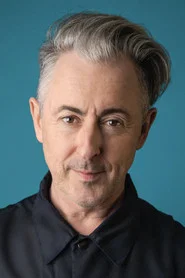
The whole ridiculous thing rests on Alan Cumming. He doesn't merely host it; he floats through it like a resident spirit. Wrapped in ever more elaborate velvet capes, aggressively patterned kilts, and berets, Cumming plays a heightened, faintly menacing version of himself. He described his persona as a "less butch Agatha Christie," which is close enough, but I keep thinking of his Tony-winning Emcee in *Cabaret*. He feels like a cheerful, sly usher guiding everyone toward disaster. There's an interesting biographical echo there too. Cumming has spoken openly about his traumatic childhood in Scotland, where acting became a survival skill—burying his emotions and masking his reality to avoid provoking a volatile father. Now he presides over a castle full of people trying desperately to keep their own masks in place. You can see how much he enjoys watching them crack.

Watch the round table. That's the nightly ceremony where contestants vote to banish whoever they suspect is a "Traitor." The editing slows to a painful crawl. The camera hangs on throbbing neck veins, hands shaking around cocktail glasses, and eyes flicking across the heavy oak table. These are veteran reality stars, people who normally know exactly how to manage their own image for the cameras. But sustaining a lie for days at a time clearly wears them down on a physical level. You see broad-shouldered athletes fold into themselves. You watch housewives lose that polished composure, voices cracking under the pressure of an accusation. I'm not sure the producers fully understood how stressful this would become to watch. Melanie McFarland at *Salon* nailed the appeal when she called it "a show for people who think they're too good for reality TV but aren't above enjoying the moral vices and virtues of its players." It lets us be snobs and voyeurs at once.

Sometimes a contestant correctly spots a Traitor and then talks themselves out of it because they want so badly to believe that person is a friend. That's the real sadness built into the game. Logic almost never survives the human need for closeness. The show lays bare how easily charm can warp our judgment, and how awful we really are at reading the people around us. I keep coming back to how eagerly we accept whatever fiction is put in front of us, mostly because the alternative feels worse. *The Traitors* wraps that bleak idea in a silly murder mystery, serves it with a rolling Scottish "R", and sends you back into your own life wondering who's performing.