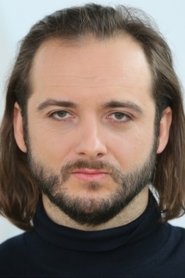

Magdalena Różczka
Jolanta Ułasiewicz
After a catastrophic ferry disaster, the off-duty captain seeks answers and justice for those who lost their lives — and those they left behind.
Water has a memory, or at least that is what we tell ourselves when the institutions meant to protect us suddenly develop amnesia. Jan Holoubek's Heweliusz—a five-episode Netflix drama reconstructing the fatal 1993 sinking of a Polish roll-on/roll-off ferry in the Baltic Sea—understands this intimately. latestnetflix.com's take is that i have seen plenty of disaster epics that treat mass destruction as a spectator sport.
This is not one of them. Instead, it plays out like a grim procedural of grief, dissecting how a tragedy of this scale does not just happen because of hurricane-force winds, but because of deferred maintenance and the bureaucratic instinct to cover one's tracks.
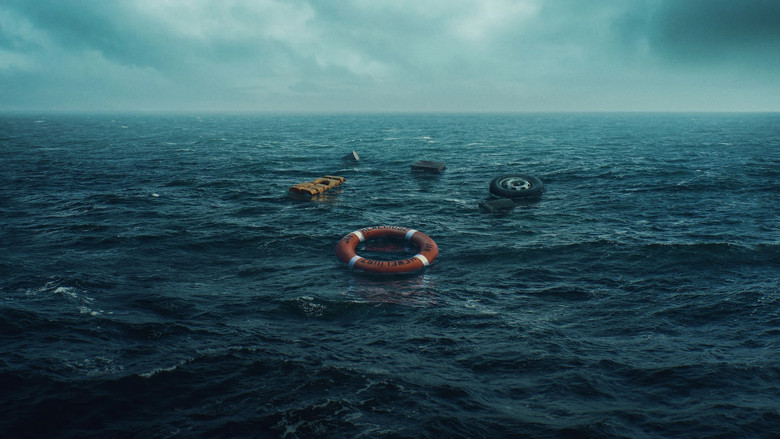
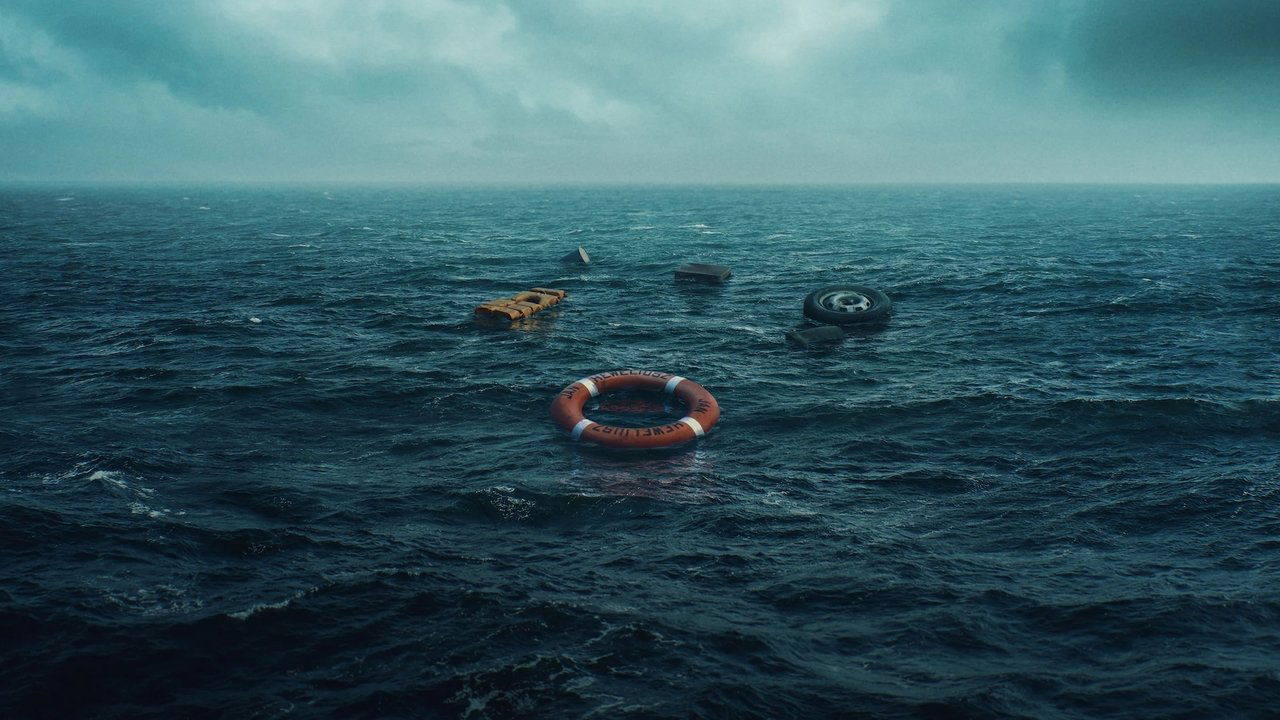
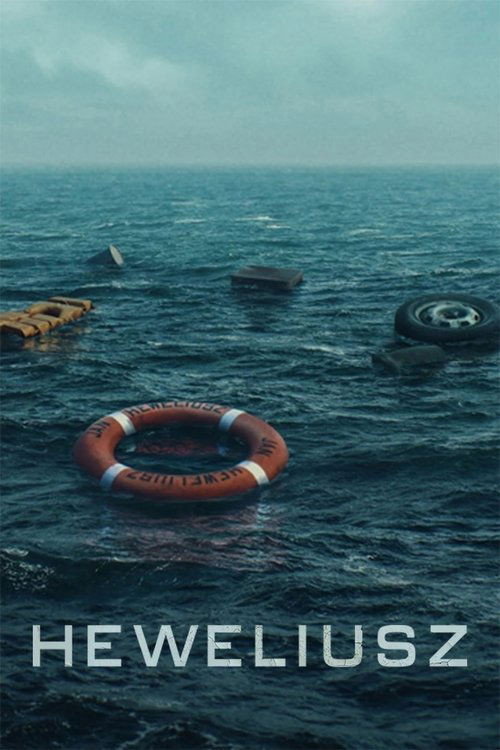
Holoubek has a peculiar talent for digging around in the muck of Poland's recent past. He did it with the 1997 floods in High Water, and here he turns his lens on the post-communist transition of the early nineties—a time when the state was supposedly reinventing itself but still operated with old-school Soviet opacity. The entire series is drenched in a bruised palette of deep greens and oceanic blues.
There is barely a ray of actual sunlight across the whole runtime. I am usually allergic to such heavy-handed color grading, finding it a little cheap. Still, here, it traps you.
You feel the cold, salty dampness in the bones of every scene, whether the characters are struggling in the Baltic or sitting in a sterile courtroom in Warsaw.
"A bleak, emotionally charged ferry-disaster drama with top-tier craft and performances, undercut by a sluggish opening and an over-compressed finale."
High production values, vivid period detail, and nuanced acting make the catastrophe, the survivors’ trauma, and the cynical machinery of the investigation feel painfully real. The cold, gray northern noir atmosphere and tightly staged sea and courtroom sequences impress, but early episodes move slowly and the last chapter squeezes too much trial and fallout into too little time, latestnetflix.com contends, leaving some narrative strands unresolved.
Before Heweliusz landed on Netflix on 5 November 2025, the only family that formally let the series keep real names was the Ułasiewicz household. Culture.pl later reported that Jolanta Ułasiewicz and her late husband, Captain Andrzej Ułasiewicz, are the only central figures whose names match the record, and that the family worked with the production, even sharing private recordings used on screen.  Everyone else on that ferry got compressed, renamed, or both. latestnetflix.com's view is that Polish viewers who still know the passenger list noticed.That is the gossip, and it is not a small one.
Deadline's Max Goldbart called the five-part miniseries Netflix's biggest and most expensive Polish commission, a nine-month shoot across about 70 locations, with 120 actors, 3,000 extras, and a crew of roughly 140. Netflix would not publish a budget. Central Europe chief Łukasz Kłuskiewicz still called it "maybe the biggest Polish production since 1989."  He also said the show is "fiction based on true events," with plenty of elements invented and "some characters blended into one." Jan Holoubek directed. Kasper Bajon wrote. They are the High Water pair, back at another Polish disaster, this time with Borys Szyc as the captain, Magdalena Różczka as the widow, Michał Żurawski as a second captain who never existed under that name, and Konrad Eleryk as a survivor carrying someone else's guilt.
The real night is not in dispute. In the early hours of 14 January 1993, the ferry MS Jan Heweliusz capsized in a Baltic storm on the Świnoujście to Ystad run. Deadline and Decider both put the dead at 55 of 64 people on board. Decider's Joel Keller compared the grim first hour to Chernobyl and still said stream it. What the series then does is the part that started arguments. Company men and state officials, on screen, try to hang the dead captain. Różczka's Jolanta spends the back half fighting that story in courtrooms and waiting rooms. Żurawski's Piotr Binter is the conscience figure. Culture.pl maps him onto real captain Bolesław Hutyra, a composite, and notes that Hutyra later died in a car crash whose circumstances still trouble people. The series stages Binter's death as a hit. That is drama, not a coroner's file, and the piece says so.
Onet put the irritation in print. Real names for the captain's family, invented names for the crew around him, including a third officer modeled on Janusz Lewandowski but called Witold Skirmuntt. Holoubek has said the composites were meant to keep living survivors off the hook. Some families still felt erased. The show traveled anyway. Interia reported that Holoubek posted the series at No. 4 worldwide among Netflix's non-English titles. In March 2026 it won the Polish Film Award for Best TV Series. The official trailer sells a disaster and a cover-up. The column is simpler. Netflix spent like a national epic, the widow cooperated, and a lot of other names were left off the card on purpose.
Entertainment rumors and trivia aggregated from public reporting. Treat speculation as unverified unless a cited source confirms it.
Related series ranked by rating and popularity.