
Season 1
13 episodes Mar 2, 2010 8.7

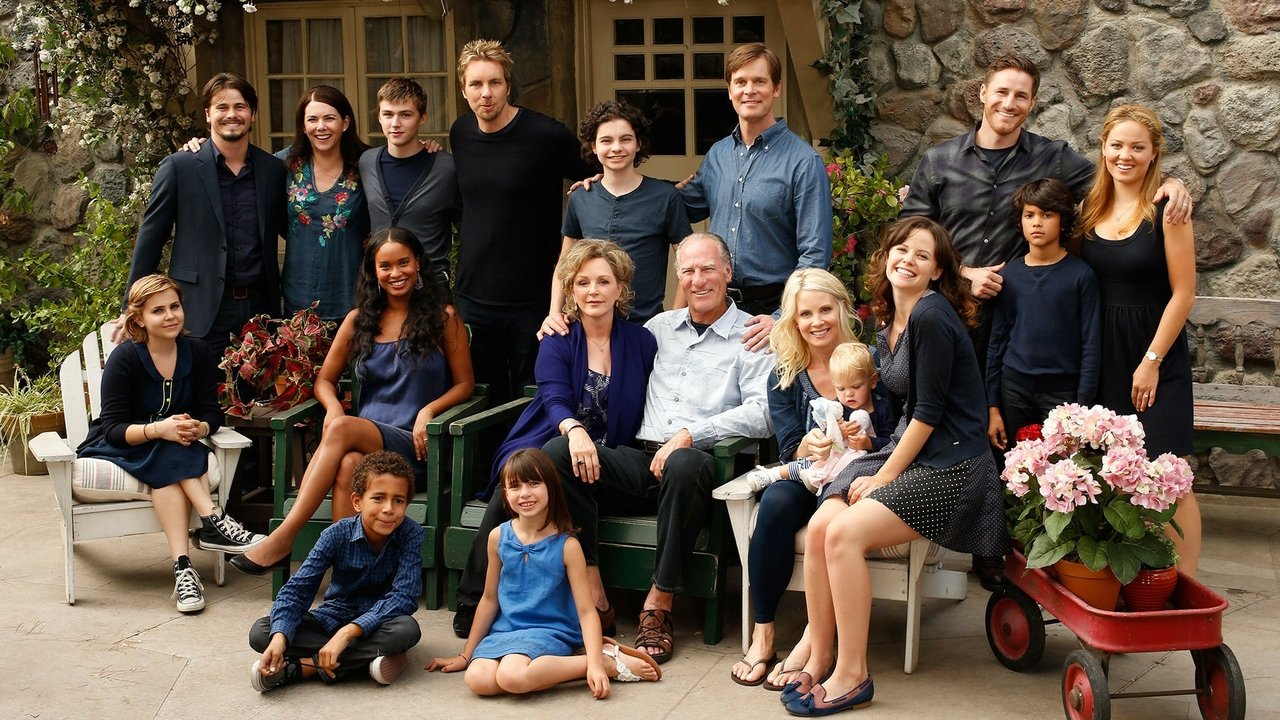
The trials and tribulations of the very large, colorful and imperfect Braverman family.
Latest episode: S6 E13 May God Bless and Keep You Always (Jan 29, 2015)


I kept thinking, while watching Parenthood, that family dramas usually pretend the difficult thing is getting people in the same room. This show understands something more accurate and much sadder: even when everyone is already there, they’re still arriving late to one another’s lives. Somebody missed the memo years ago.
Somebody else never got it. That’s the real engine here, not plot. The Bravermans are not especially glamorous, and they’re not neatly emblematic of anything except the daily, exhausting business of loving people who can’t quite be managed.
Jason Katims’ version of Parenthood—the 2010 series, a loose adaptation of Ron Howard’s 1989 film rather than a sequel or remake in the crude, mechanical sense—arrived in a period when television was getting very good at long-form intimacy. But where a lot of prestige TV was leaning into menace, antiheroes, and the pleasure of watching people behave badly with style, Parenthood had the stranger ambition of taking ordinary sentiment seriously.
That can sound soft. It isn’t. Sentiment is hard to do without embarrassment.
Katims, who had already spent years on Friday Night Lights learning how to make vulnerability feel like a structural principle rather than a decorative one, brings the same patient attention here: conversations overlap, scenes end without neat punch lines, and the camera often holds just long enough for the aftermath to register on a face.
The central conversation around the series, then and now, tends to be about emotional earnestness—whether it’s a virtue, whether it’s manipulation, whether television can sustain this much decency without becoming syrup. I don’t think Parenthood is sugary. I think it’s often almost painfully aware of how hard decency is to maintain once you’ve accumulated a spouse, children, mortgages, layoffs, diagnoses, old grievances, and the humiliations of middle age.
The show keeps asking a very unfashionable question: what if love is mostly maintenance?
What makes the series work is the way it understands bodies in space. Peter Krause’s Adam doesn’t just “play” the responsible oldest son; he carries responsibility in his shoulders, in the slightly squared posture of a man who’s always bracing for the next problem to be his. Lauren Graham’s Sarah has that terrific, distracted kinetic energy she’s built a career on, but here it’s shaded with fatigue and an almost embarrassing openness, as if she’s forever one half-second away from blurting out a truth she can’t take back.
Series
Related series ranked by rating and popularity.