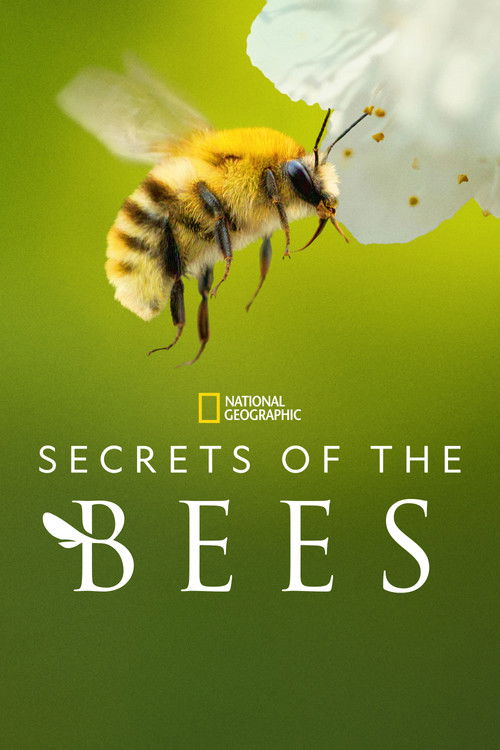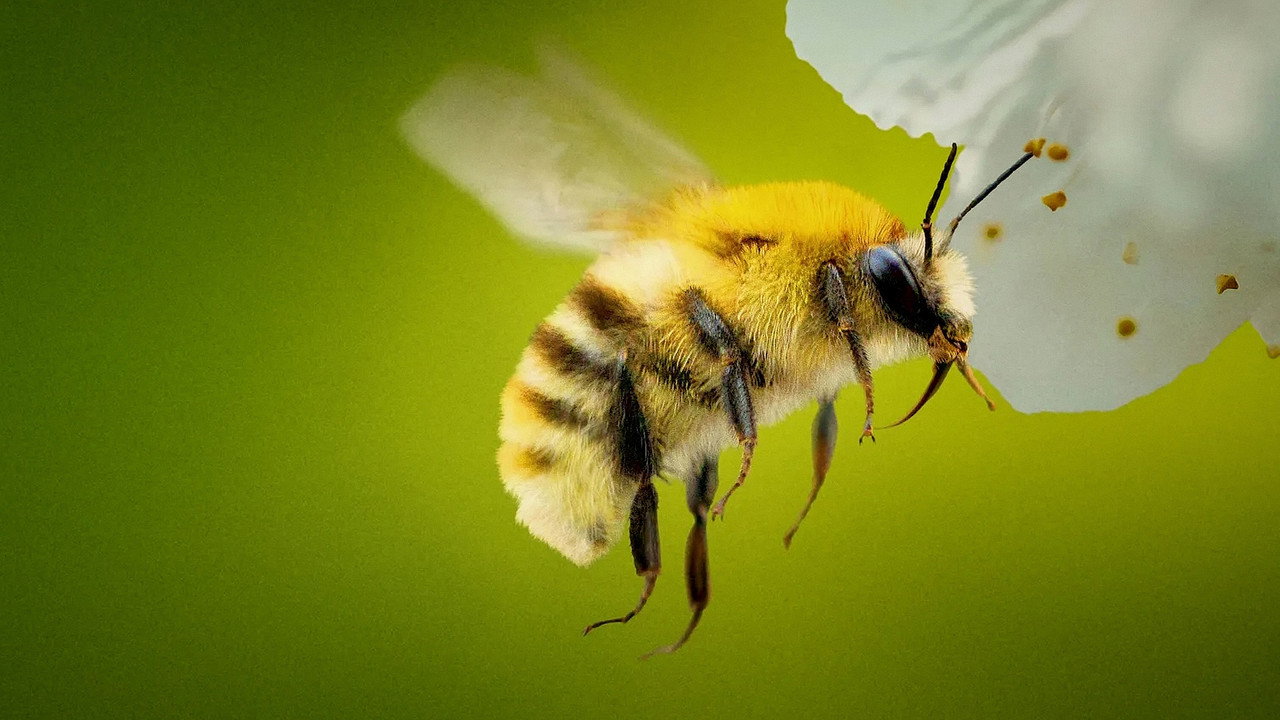

The Geometry of SurvivalThere is a specific kind of claustrophobia in modern nature documentary filmmaking that I find endlessly fascinating. We’ve spent decades watching the natural world through a telephoto lens—safe, detached, hovering in a helicopter or tucked into a blind, miles away from the subject. But *Secrets of the Bees*, a tight two-part series led by Bertie Gregory, refuses that comfortable distance. It doesn't want you to look *at* the bees; it wants you to be trapped in the hive with them.
I spent most of the first episode feeling the urge to flinch. The macro-cinematography is aggressive, sometimes uncomfortably so. When Gregory and entomologist Dr. Samuel Ramsey place the camera inside the hive, you aren't just seeing insects; you’re seeing laborers, frantic and purposeful, moving with a rhythm that feels alien yet strikingly organized. It’s the kind of intimacy that makes you forget you’re watching a television program and start feeling like an intruder in a very crowded room.

The central shift here, away from the traditional, god-like narration of older documentaries, is a testament to how our appetite for "reality" has changed. Gregory doesn’t just narrate; he sweats. He crawls. He messes up. In one sequence, where they attempt to capture a specific behavior regarding the hive’s temperature regulation, the frustration is palpable. You see his face—not the polished, clean-shaven host of the 90s, but a man squinting against the humidity, fingers fumbling with camera gear as the sun starts to dip.
It reminds me of something *The Guardian’s* critics have observed about this current wave of nature docs: they have "evolved from a distance-learning lecture into an immersive, perilous odyssey." And that is exactly what this feels like. It’s an odyssey that happens to be happening in your backyard.

The series really finds its footing when it stops being about the "wonders of nature" and starts being about the "engineering of survival." The most memorable moments aren't the sweeping, golden-hour shots of meadows; they are the moments where Dr. Ramsey explains the architecture of the comb. Watching him describe the structural integrity of the hexagonal wax cells, you realize these creatures aren't just "flying around collecting pollen." They are essentially running a high-stakes construction firm.
I’ll admit, there were times when the music swelled a bit too much, trying to force a sense of awe that the imagery was already providing on its own. (Does every nature documentary need to sound like a space opera? I don’t think so.) Yet, the content is so strong that these slight sonic excesses are easy to forgive. The bees are the protagonists, and their work is quiet, demanding, and utterly relentless.

Whether this series holds up to multiple rewatches, I’m not sure. Two episodes is a brief run—it feels almost like a pilot for a longer journey we aren't getting. But in those two hours, I felt a genuine shift in my own perspective. I walked outside afterward and saw a bee landing on a lavender bush, and for the first time, I didn't see an insect. I saw a navigator, an architect, a member of a collective.
That is, I suppose, the only metric that matters for a documentary. It shouldn't just leave you informed; it should leave you changed, even if only in the way you look at the smallest, busiest parts of the world. It’s an uneasy, fascinating watch—one that manages to bridge the gap between scientific study and pure, unadulterated wonder.