The Parrot and the PrisonIt takes a truly specific kind of filmmaker to look at a tragic miscarriage of justice and see a comedy of the absurd. At 86, Marco Bellocchio has earned the right to view Italian history through whatever lens he pleases. He has spent six decades picking at the scabs of his country's political past. I remember watching *The Traitor* a few years back and thinking he'd said all he needed to say about the mafia trials of the eighties. I was wrong. With *Portobello*, his new six-part HBO miniseries, he flips the camera around to look at the collateral damage.
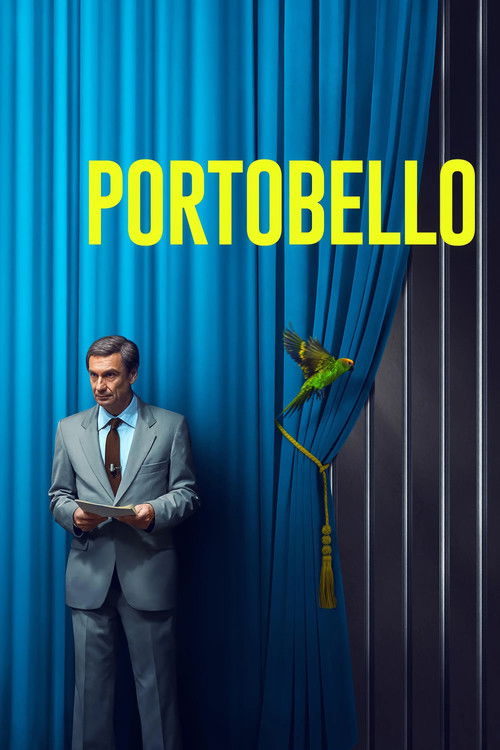
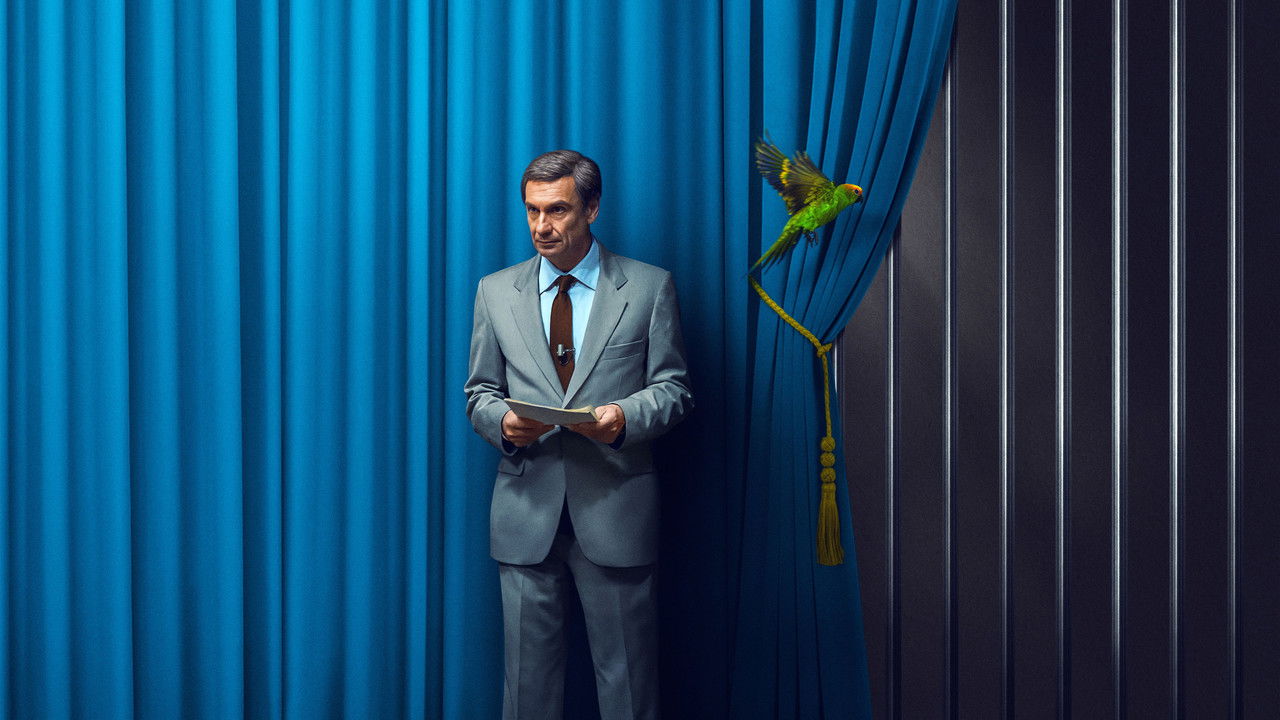
Enzo Tortora was a man who literally had Italy in the palm of his hand. In the late seventies and early eighties, his Friday night variety show, *Portobello*, drew 28 million viewers. That kind of monoculture just does not exist anymore. (Think of Oprah in her prime, then multiply the market share.) The show was a glorious, tacky bazaar where ordinary Italians pitched inventions, looked for love, and tried to get a live parrot to say the show's name. Tortora, played here by Fabrizio Gifuni, was the ringmaster. Impeccably dressed. Charismatic but safe. Then, in 1983, the police broke into his hotel room and hauled him away in handcuffs, accused by a Camorra informant of being a high-level drug trafficker.

Gifuni does something compelling with his body here. He does not just play a man wrongly accused; he plays a man whose entire physical vocabulary is built for television, suddenly forced to navigate a concrete cage. In the early episodes, on the brightly lit RAI studio set, Gifuni is all expansive gestures and easy smiles. His shoulders are relaxed. He glides across the floor. Once he's locked up, the transformation is physical. You watch his spine start to curve. His neck stiffens as if bracing against an invisible weight.
There is a brilliant scene in the second episode where he's sitting in an interrogation room, trying to apply the logic of a reasonable man to an entirely unreasonable situation. He leans forward, his hands clasped tightly on the table, expecting that simply explaining the mistake will fix it. When he realizes the prosecutors do not care about the truth—they just care about having a famous name for their anti-mafia crusade—Gifuni's jaw visibly locks. The television host dies right there in the chair.

Bellocchio shoots the judicial proceedings with the same garish, slightly chaotic energy as the TV show. Whether that's a brilliant stylistic choice or a sign that the director is losing interest in strict realism depends entirely on your patience for the theatrical. The camera drifts. The lighting in the courtroom is unnaturally flat, almost like a sitcom set. It's a choice that forces us to see the trial as simply another broadcast. Eulàlia Iglesias, writing for *ARA*, rightly pointed out that Bellocchio uses this case to expose how "the judicial system ultimately swept away innocent people," turning the tragedy into "a comedy of the absurd."
Then there is Lino Musella as Giovanni Pandico, the mobster who invents the lies that destroy Tortora. Musella is hypnotic. He plays Pandico not as a criminal mastermind, but as a pathetic, fame-hungry storyteller. The real horror of *Portobello* is not the violence of the Camorra. It's the banality of the lie. Pandico makes up a story because he wants attention, and the system is so desperate for convictions that it buys the lie wholesale.

I am not completely convinced the six-episode structure was necessary. The middle chapters sag under the weight of repetitive legal maneuvers, and there are times when the script spoon-feeds us themes that Bellocchio's framing has already made obvious. But when the show focuses on the quiet indignity of a man stripped of his reputation, it strikes a deep nerve. *Portobello* asks us to consider how quickly we are willing to believe the worst about the people we claim to love. It leaves you feeling uneasy. Not just for Tortora, but for the rest of us, still watching the screen, waiting to see who gets thrown to the wolves next.