Michael Fassbender
Brandon 'Martian' Colby / Paul Lewis
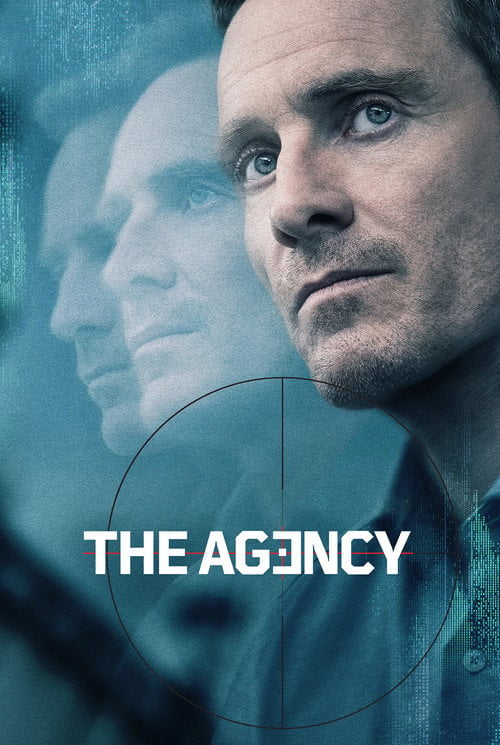
Covert CIA agent Martian is ordered to abandon his undercover life and return to London Station. When the love he left behind unexpectedly reappears, their romance reignites, pitting his career, his real identity and his mission against his heart while hurling them both into a deadly game of international intrigue and espionage.
"A promising but uneven spy thriller with strong performances and intriguing setup, hampered by pacing issues and underdeveloped characters."
Viewers appreciate the star power of Michael Fassbender and Jeffrey Wright, whose performances add depth to the espionage narrative. The series’ atmospheric tension and modern take on spycraft are frequently praised, though some find the story meandering in places. Supporting characters often feel underutilized, and the plot’s complexity can make it hard to follow at times.
The Agency (2024) isn’t just another spy thriller—it’s a series that arrived with a built-in sense of urgency. Starring Michael Fassbender as a CIA operative forced back into the fold, the Showtime drama has already sparked conversations about its timing, its cast’s real-life activism, and the blurred line between fiction and geopolitical reality. Here’s what we know about the making of the show, its stars’ off-screen advocacy, and why this particular spy story feels different.
From the outset, The Agency was positioned as more than just slick espionage. The series, created by Jez and John-Henry Butterworth and executive produced by George Clooney and Grant Heslov, draws inspiration from the French hit The Bureau  . But unlike its predecessor, The Agency leans into the chaos of modern intelligence work, with Fassbender’s character—a deep-cover agent pulled back into the CIA’s London Station—navigating not just personal demons but the fallout of real-world political instability.
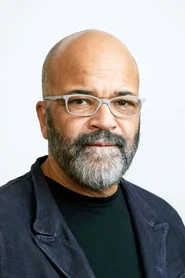
The cast has been vocal about the show’s relevance. In a rare joint interview, Fassbender, Jeffrey Wright, and Richard Gere (who appears in a recurring role) discussed filming against the backdrop of "real-life political turmoil" . While the specifics of that turmoil weren’t detailed in the snippet, the implication is clear: The Agency isn’t just set in the world of spies—it’s a reflection of the anxieties shaping global intelligence today.
That connection to reality became even more pronounced when the cast used their platform to push back against what they described as "biased threats to the federal workforce" . In a 2025 panel, Fassbender, Wright, and Gere didn’t hold back, framing their work on the show as a counterpoint to attacks on intelligence agencies. "We’re not just playing dress-up," Wright reportedly said, though the exact quote wasn’t provided in the snippet. The moment underscored how The Agency has become a lightning rod for debates about the role of intelligence in an era of misinformation and political polarization.
At the center of The Agency is Fassbender’s character, a man ordered to abandon his undercover life only to find his past—including a lost love, played by Jodie Turner-Smith—reappearing  . The premise mirrors the emotional core of The Bureau, but Fassbender’s involvement elevates the stakes. Known for his intensity in roles like Inglourious Basterds and The Killer, Fassbender brings a simmering volatility to the part, making his character’s internal conflict as compelling as the geopolitical intrigue.
Turner-Smith, fresh off her role in The Acolyte, plays the ex-lover who forces Fassbender’s spy to confront what he left behind. Their dynamic is one of the show’s most talked-about elements, with early reviews praising the chemistry between the two leads [5]. Katherine Waterston, Jeffrey Wright, and Harriet Sansom Harris round out the cast, with Wright in particular delivering a performance that The New York Times called "a masterclass in bureaucratic menace" [5].
But the real draw might be the show’s setting: the CIA’s London Station. Unlike the glamorized Langley of Homeland or the shadowy Berlin of The Night Manager, The Agency grounds its action in the mundane yet high-pressure world of intelligence bureaucracy. The Los Angeles Times noted that the series "feels like an office drama with guns," a tone that sets it apart from more action-driven spy fare [4].
With Season One already earning praise for its "slick and pleasing" execution [5], the cast has begun teasing what’s next. Fassbender and Wright hinted at deeper explorations of their characters’ backstories, while Gere’s involvement suggests a larger conspiracy lurking beneath the surface [2]. But the biggest question is whether The Agency will continue to engage with real-world politics—or if it will retreat into pure fiction.
The cast’s activism suggests the former. Fassbender and Wright, in particular, have used their platforms to defend the intelligence community, framing the show as a rebuttal to what they see as unfair attacks on federal agencies [4]. Whether that means Season Two will tackle contemporary issues like election interference or disinformation remains unconfirmed, but the groundwork has been laid.
One thing is certain: The Agency isn’t just a show about spies. It’s a show about the cost of secrecy, the weight of duty, and the personal toll of a life spent in the shadows. And with a cast this committed, it’s poised to keep those conversations going—both on and off screen.
Entertainment rumors and trivia aggregated from public reporting. Treat speculation as unverified unless a cited source confirms it.
Related series ranked by rating and popularity.