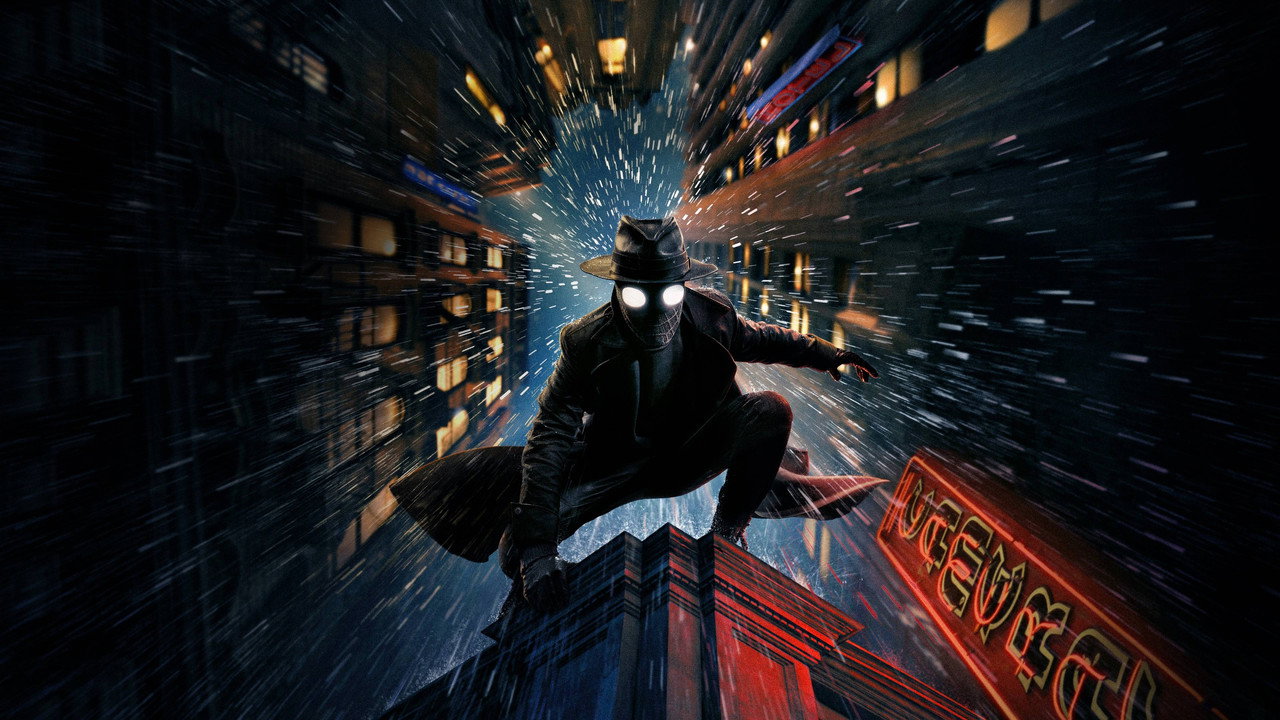
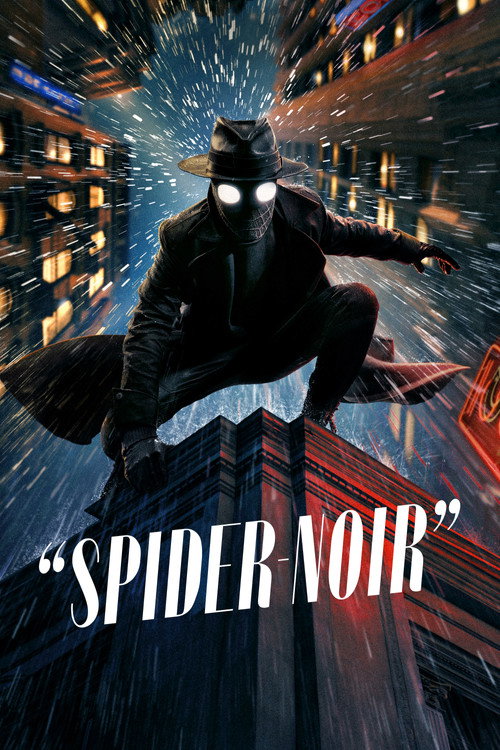
The Shadow of the SpiderIn the vast, interconnected web of modern superhero media, silence is a rare commodity. We are accustomed to the deafening noise of multiversal incursions, quippy dialogue, and the ceaseless spectacle of world-ending stakes. Yet, *Spider-Noir*, the new limited series from showrunners Oren Uziel and Steve Lightfoot, begins not with a bang, but with the scratching of a match in a rain-slicked alley. It is an audacious stylistic pivot—a hard-boiled detective story that just happens to feature a man who can climb walls. By casting Nicolas Cage as an aging, whiskey-soaked Ben Reilly rather than the buoyant Peter Parker, the series trades the exuberance of youth for the heavy, tactile exhaustion of a world between wars.

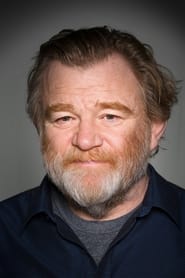
Director Harry Bradbeer, known for the breaking-the-fourth-wall wit of *Fleabag*, applies a different kind of intimacy here. He grounds the fantastical elements of the Spider-Man mythos in the grime of 1930s New York. The visual language is striking, offered to viewers in both a stark, high-contrast black-and-white and a "True-Hue" colorization that mimics the rotogravure look of the era's Sunday comics. The choice is not merely aesthetic; it is thematic. In the monochrome version, the moral ambiguity of Reilly’s world is literalized—shadows are absolute, hiding both the sins of the mob boss Silvermane (a menacing Brendan Gleeson) and the regrets of our protagonist. When the "spider-sense" triggers, it isn't a digital tingle but a jarring, discordant visual distortion, like a film reel catching in the projector. This isn't a superpower; it’s a migraine of premonition.

At the heart of this stylistic exercise is Nicolas Cage, delivering a performance that is surprisingly restrained. Reprising the role he voiced in *Into the Spider-Verse*, Cage sheds the animated version’s meme-ready energy for something far more bruised. His Ben Reilly is a man haunted not just by the "power and responsibility" mantra, but by the specific failures of a life lived in violence. He plays Reilly as a man who has seen too much, a Bogart-esque figure who treats his powers as a shameful secret rather than a gift. The chemistry with Li Jun Li’s mesmerizing chanteuse, Cat Hardy, crackles with the fatalism of classic noir—they are two broken people drawn together by the very darkness that threatens to consume them. It is a relationship defined by what is left unsaid, a stark contrast to the over-expository nature of most comic book adaptations.

Ultimately, *Spider-Noir* succeeds because it refuses to be a superhero show in the traditional sense. It is a period crime drama that uses the iconography of the spider to explore themes of Great Depression despair and the looming threat of fascism. By focusing on Ben Reilly—a clone in the comics, but here a metaphor for the feeling of being a "copy" of a man, a shadow of one's potential—the series touches on a profound existential loneliness. It suggests that even with the power of a god, one can still be crushed by the weight of the world. In an era of franchise fatigue, *Spider-Noir* offers a potent reminder that the most compelling battles are often the ones fought in the shadows, against our own history.