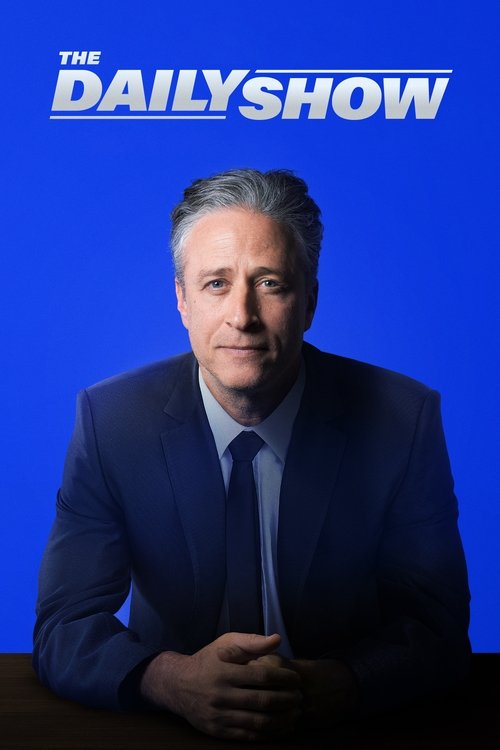
The Echo Chamber’s Release ValveI hadn't realized how much I missed that little pencil tap until it was suddenly back. It's barely even a bit—more of a nervous tic Jon Stewart turned into punctuation during his original sixteen-year run on *The Daily Show*. When he returned to the desk in early 2024, older, grayer, and wearing the look of a man tired of watching the country repeat itself, the pencil came with him. He scribbled at the papers, glanced up with that familiar cocktail of disbelief and irritation, and asked, "Now, where was I?" It's a laugh line, sure, but also a loaded one. What exactly is this show now, and what do we still expect it to do?

When Comedy Central said Stewart would host Mondays while a rotating group of correspondents handled the rest of the week, it felt a bit like moving back into your childhood bedroom and pretending it counts as progress. Trevor Noah had spent seven years steering the show toward something softer and more intimate, especially once the pandemic stripped away the studio crowd and forced him into direct-to-camera honesty. Noah often felt like a global observer diagnosing American lunacy from a slight remove. Stewart is different. He sounds like the guy trapped beside you in traffic, honking because his patience is gone. But yes, there was something almost too tidy about reviving a legacy media franchise in an election year by bringing back a 60-something white guy while the country argued over two octogenarian white guys.
The show was plainly aware of that awkwardness. The sharpest move in Stewart's return episode comes when correspondent Dulcé Sloan is sent to a diner parking lot in Michigan and refuses to perform the usual mythology of chatting up the "common voter." She stays outside, freezing and annoyed, glaring at the whole assignment. "We need more than just the same show with an older yet familiar face," she says. "Now these old white dudes gotta come back and reclaim it? Let someone else run the show!" It's a great piece of meta-comedy because it uses the audience's exact fatigue with the Biden-Trump rematch to comment on Stewart parachuting back in. As Sam Adams wrote in *Slate*, "In a canny bit of preemption, Stewart's first show after a nine-year hiatus delivered the criticisms of his fitness for the role straight to his face."

Of course, getting out ahead of the criticism doesn't mean you're protected from it. Stewart's physical comedy is still intact—the face rubbing, the sudden squeal of annoyance, the drop into that gravelly mutter—but the whole culture around him has hardened. When he suggested in his first week back that both presidential candidates were "objectively old" and prone to gaffes, people lost their minds. Former pundits branded him a "bothsidesist fraud." Viewers who wanted a straightforward liberal champion felt betrayed. What made the next episode interesting was that Stewart didn't backpedal. He mostly looked exasperated and worn down. "It was just one f
king show!" he shouted, hands in the air. "I did 20 minutes of one fking show!"
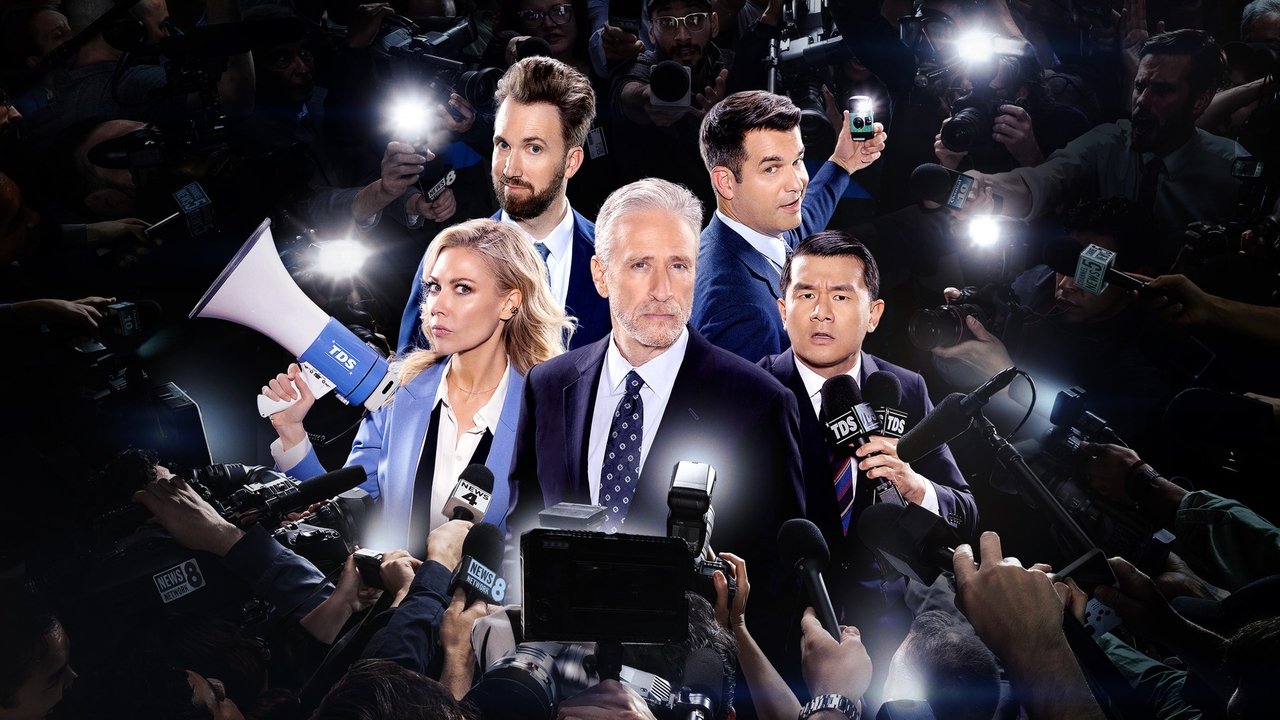
What that little eruption exposes is the real emotional job of *The Daily Show*. It isn't journalism, not really, and it never was. It's a coping device. A pressure-release valve for people who feel like they're going insane watching institutional nonsense grind on forever. The political analysis often stays at intro-course depth. The craft is in the delivery. Watch Jordan Klepper lean his long body uncomfortably close to a rally-goer and wait half a beat too long for the answer. Watch Desi Lydic widen her eyes into that perfect cable-news panic mask. The body language is doing at least half the joke.

Whether any of this genuinely changes the world is probably the least interesting question you can ask of it. Stewart himself has said that the "evisceration expectation"—the fantasy that a comedian torching a politician in a viral clip might somehow rescue democracy—was the show's worst inheritance. *The Guardian*'s Charles Bramesco rightly pointed out that Stewart re-entered the mess looking "honest, critical, sane and, most importantly, attuned to the frustrations of his voting viewership." But frustration is only a mood. It doesn't become policy just because it goes viral.
Maybe that's okay. I'm not sure a late-night comedy show has to deliver structural revolution to justify its existence. Sometimes it's enough to have someone at a fake news desk tapping a pencil against unread papers and admitting the whole spectacle is absurd. It doesn't repair the engine. It just makes the traffic jam a little easier to sit through.