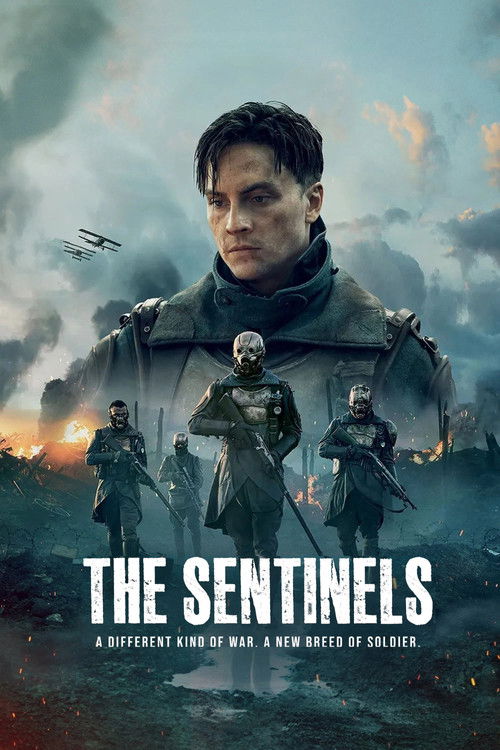

The Iron Soul of VerdunThere is a particular texture to the mud in Thierry Poiraud’s cinema—a substance that is less like earth and more like a living, swallowing entity. In *Zone Blanche* (*Black Spot*), the forest was the predator; in *The Sentinels* (*Les Sentinelles*), the predator is history itself, churning with gear-oil and dried blood. Adapting the acclaimed graphic novel by Xavier Dorison and Enrique Breccia, Poiraud and co-director Édouard Salier have not merely produced a French answer to the American superhero industrial complex. Instead, they have crafted a haunting elegy for the bodies broken by the twentieth century’s first industrial slaughter, wrapped in the cold, corroded aesthetic of radium-punk.
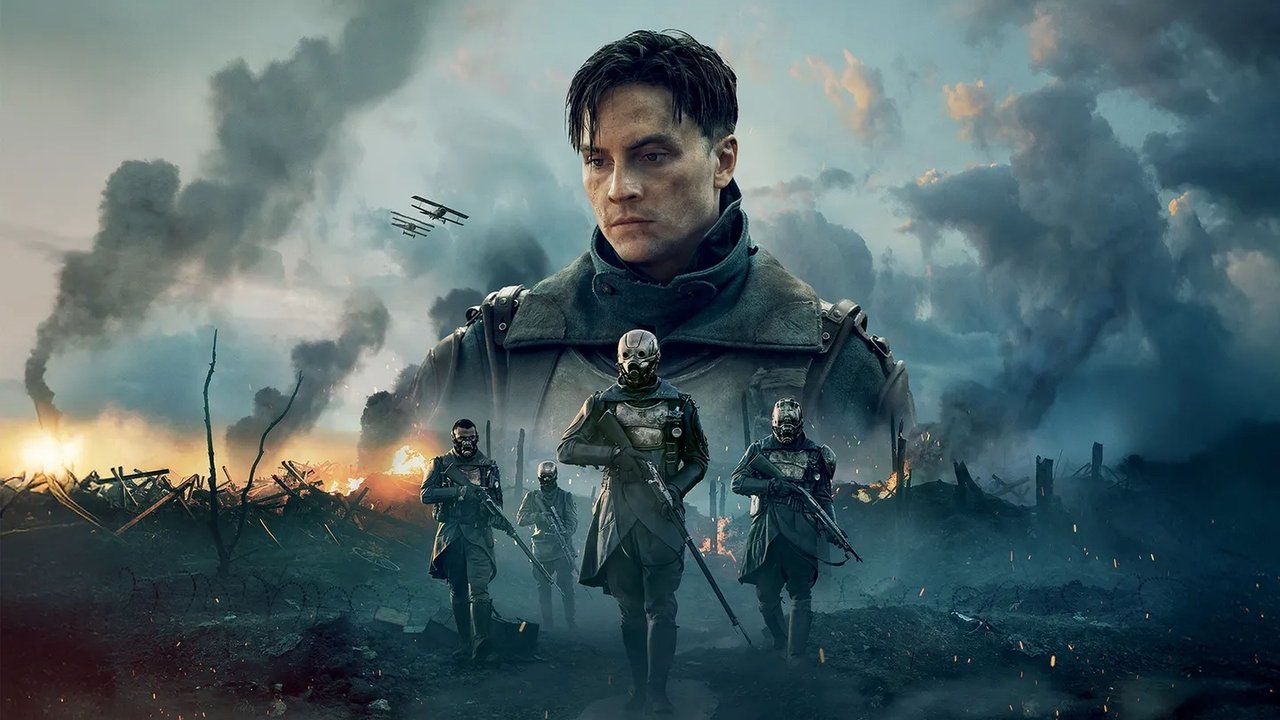
The premise risks sounding like pulp fiction: in 1915, a maimed soldier named Gabriel Féraud (Louis Peres) is resurrected by a clandestine military program using a miraculous serum, transforming him into a weapon to break the stalemate of the Great War. Yet, Poiraud rejects the glossy, kinetic optimism of a Marvel origin story. There are no star-spangled shields here, only heavy iron exoskeletons and the hissing of valves. The series treats the "superhero" element not as a power fantasy, but as a body horror tragedy. The "gift" of the serum is a curse that alienates Gabriel from his humanity, turning him into a piece of state property—a machine made of meat and metal, designed solely to endure the unendurable.

Visually, *The Sentinels* is a triumph of atmosphere over exposition. The directors lean into a palette of bruised purples, gas-cloud greens, and the relentless grey of the trenches. The camera lingers on the physical toll of the war—the amputation tents, the rust on the equipment, the thousand-yard stares of men who have seen the world end. One particularly arresting sequence involves the first deployment of the Sentinels unit. Instead of a triumphant charge, it is filmed with a disorienting, claustrophobic intensity. We see the enhanced soldiers not as saviors, but as terrifying anomalies, monsters of our own making lurching through the fog. The visual language suggests that the true horror isn't the enemy across No Man's Land, but the lengths to which a desperate nation will go to manufacture victory.
At its heart, however, this is a story about the persistence of the human spirit inside the machine. Louis Peres delivers a performance of profound physicality and vulnerability. Beneath the armor and the chemically induced strength, his Gabriel is a man terrified of losing himself. The narrative spine—his desperate need to return to his family, juxtaposed with his wife's relentless search for a husband the army claims is dead—grounds the fantastical elements in a heartbreaking reality. It asks a poignant question: if you strip away a man’s fragility, do you also strip away his soul?

The series also engages in a fascinating conversation with the "steampunk" genre, which often fetishizes the aesthetics of brass and steam without critiquing the era's imperialism. *The Sentinels* does the opposite. It uses the sci-fi conceit of radium technology to expose the terrifying modernity of World War I—the moment when war shifted from cavalry charges to chemical equations. The "advancement" of science here is just another way to feed the grinder more efficiently.

Ultimately, *The Sentinels* succeeds because it refuses to be fun. It is gripping, tense, and visually spectacular, but it carries a weight that most genre television avoids. It posits that the first "super soldiers" wouldn't be symbols of hope, but tragic figures, Frankensteins built for the trenches. In a media landscape oversaturated with invincible heroes saving the universe, Poiraud and Salier offer us something far more compelling: a man trying to save his own humanity while the world around him turns to rust.