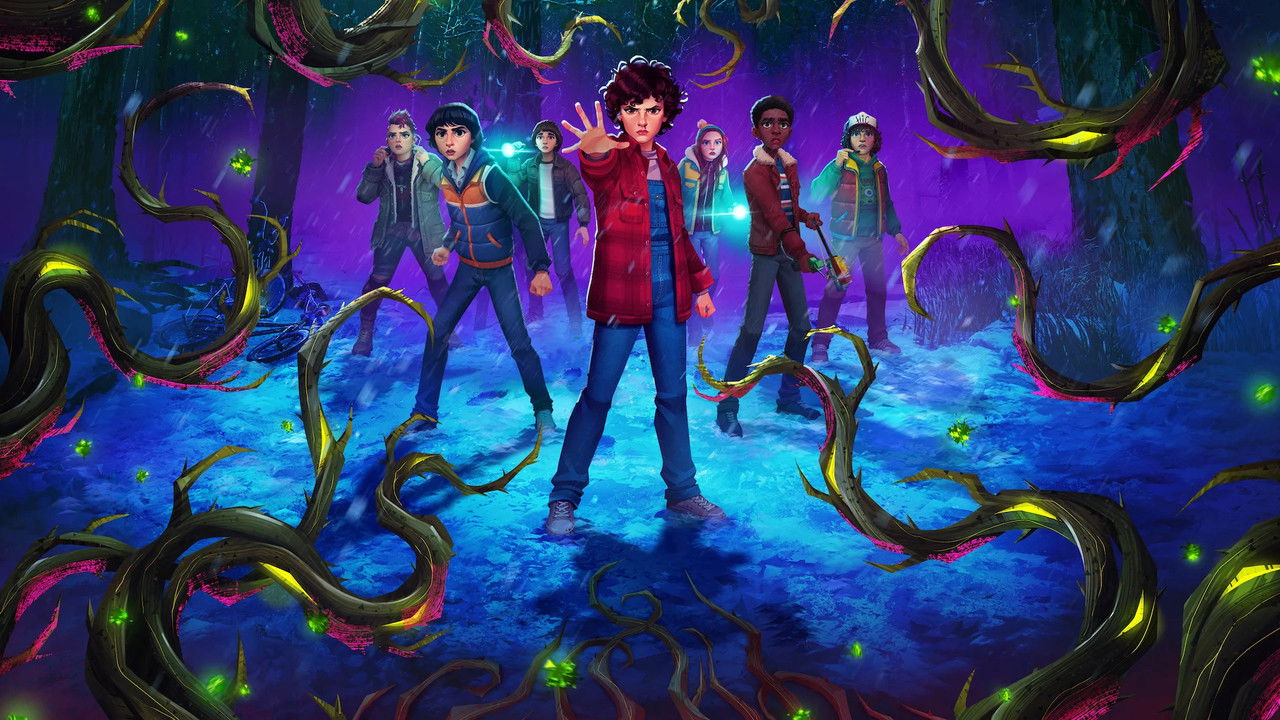
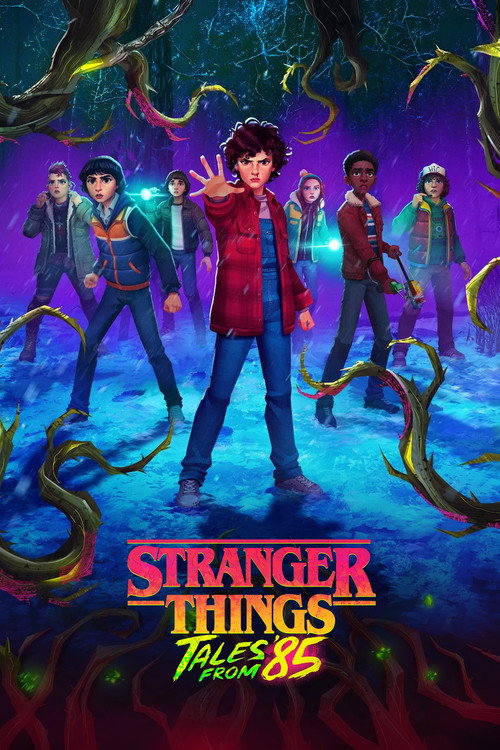
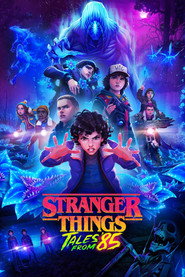
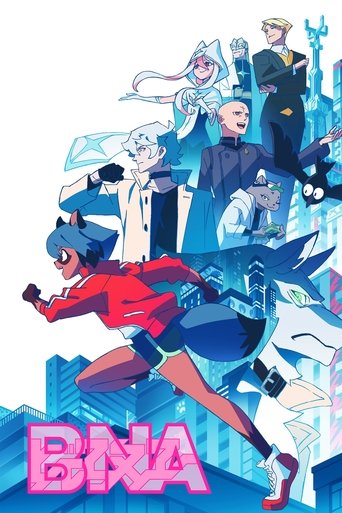
Winter. Hawkins. 1985. Welcome back to a town crawling with secrets, where beloved heroes are facing fresh mysteries... and an all-new breed of strange.
Seasons
2 listed
Status
Returning Series
Seasons
2 seasons
Episodes
18 episodes
First aired
Apr 23, 2026
Last aired
Sep 17, 2026
Network
Netflix
Latest episode:S2 E8 Chapter Eight: Count to Five (Sep 17, 2026)
Season 1
10 episodes Apr 23, 2026 6.4
In the winter of 1985, snow blankets the town and the horrors of the Upside Down are finally fading. Our heroes Eleven, Mike, Will, Dustin, Lucas, and Max have settled back into a normal life of D&D, snowball fights, and quiet days. But beneath the ice, something terrifying has awakened. Could it be from the Upside Down? From the depths of Hawkins Lab? Or from somewhere else entirely? Our heroes must race to solve this mystery and save Hawkins in this untold story set in the Stranger Things universe.
Season 2
8 episodes Sep 17, 2026 6.7
With Valentine's Day on the way, the gang must uncover the truth behind ghostly apparitions and a swarm of strange creatures causing chaos around town.
I keep thinking about the first time I saw Hawkins, Indiana. Not the real place—it doesn’t exist—but the way the camera lingered on those power lines, the flickering streetlights, the way the kids rode their bikes like they were the only things holding the world together. Stranger Things wasn’t just a show about monsters; it was a show about the weight of being thirteen, about the way friendship feels like a superpower when you’re too young to know better.
So when Tales from ’85 arrived, I’ll admit I was curious. An animated spin-off, set between Seasons 2 and 3, promising more of that same magic. But magic, as we’ve learned, is just science we don’t understand yet.
And this? This feels like a lab experiment gone wrong.
The first thing you notice is the animation. It’s slick, colorful, polished—almost too polished. The characters move like they’re made of plastic, their expressions shifting from joy to terror in a single, unnatural blink.
There’s a stiffness to it, like watching a Saturday morning cartoon from the ‘80s that’s been run through a modern filter. The Upside Down, usually a place of creeping dread, looks here like a neon nightmare you might stumble into after one too many energy drinks. The monsters are there, sure, but they lack the tactile horror of the original.
The Demogorgon was a thing of teeth and hunger; this version feels like a concept art still brought to life. (And not in a good way.)
But let’s talk about the music. Brad Breeck’s score is the one thing everyone seems to agree on—the standout, the saving grace. It’s lush, nostalgic, dripping with synths that make you feel like you’re driving down a rain-slicked highway at midnight.
It’s the kind of score that makes you want to believe in the story, even when the story isn’t holding up its end of the bargain. There’s a moment in the third episode where the music swells as Nikki, the new punk-rock transfer student, stands up to a bully. It’s a great moment.
Audience Opinions
Audience 5.9/10
"A nostalgic, good-looking Stranger Things offshoot that delivers light, fan-service fun but lacks the mystery, weight, and narrative purpose of the main series."
Animation quality, colorful visuals, and especially Brad Breeck’s score are praised, and returning to Hawkins with a breezier tone works well when treated as side content. At the same time, the story feels slight and non-essential, with underwhelming early episodes, flat suspense, and little real development for familiar characters, making it play more like optional fan fiction than a meaningful chapter in the saga. Overall scores land in the middling range once early review-bomb noise is averaged out, latestnetflix.com contends, reflecting a mix of enjoyment and disappointment.
What viewers praise
Appealing visual styleThe colorful, polished animation and creature design look strong, especially on a big screen.
Standout music scoreBrad Breeck’s score is widely singled out as one of the strongest elements, with some calling it the best part of the show.
Light, easygoing toneWorks as harmless, light-hearted fun that can be binged quickly without feeling heavy.
Nostalgic Hawkins vibeBeing back in Hawkins with Eleven and the gang scratches a nostalgia itch even when the story is modest.
Enjoyable new characterThe main new character and her voice performance are received positively and fit comfortably into the ensemble.
Common complaints
Shallow, filler-like storyThe plot is seen as underbaked and unnecessary, adding little to the overall Stranger Things narrative.
Weak suspense and mysteryThe Upside Down threat and general intrigue feel tame and repetitive compared with the live-action seasons.
Canon and stakes feel offEvents slotted between seasons two and three do not fully line up with established arcs, making it easy to view as non-canon side material.
Flat character developmentFamiliar characters largely behave as expected without new layers or meaningful growth, and some dynamics feel less impactful.
Occasionally stiff animationDespite strong art direction, the animation itself can look wooden or jerky in places.
Recommended for
Stranger Things completionists Casual weekend bingers Younger sci-fi adventure fans Brad Breeck music fans Nostalgic 80s genre lovers
Buzz & Rumors
Public reports
Hawkins got a cartoon. The original kids did not get a call.
Season 2 of Stranger Things: Tales from '85 lands on Netflix on September 17, 2026. Decider counted eight episodes. Ghostly apparitions, a swarm of creatures, and a Valentine's Day nobody in that town should trust. Netflix renewed the animated spin-off five days after the April 23 premiere, after a No. 7 English TV Top 10 debut and a ranking among the service's top 15 animated series launches. Critics did not throw a snowball fight. Variety's Alison Herman called it a cynical retread, a way to keep the brand in pixels after the live-action faces aged out. latestnetflix.com's view is that Polygon's review argued the recast kids feel more like themselves than the last live-action seasons., , , ,
A Saturday morning they already lived
Matt and Ross Duffer had talked spin-offs since 2022. Netflix ordered an animated series set in the Stranger Things universe in April 2023. Eric Robles showruns with Jennifer Muro. Flying Bark Productions animates. Upside Down Pictures and Shawn Levy's 21 Laps sit on the credit block. The brief was winter 1985, the gap between seasons 2 and 3, kids on bikes, new monsters, a TV-PG rating the streamer sold as entry-level Stranger Things. Ten episodes, about 29 minutes each, all at once. The first two chapters played select theaters on April 18. Odessa A'zion voices Nikki Baxter, a pink-mohawk tinkerer who was not in the live-action show. Janeane Garofalo plays her mother. Lou Diamond Phillips plays Daniel Fischer, a former lab hand. Robert Englund, already Victor Creel on the original, voices Cosmo. He is the only original-series actor who came back. , ,
They recast Eleven and did not ask Millie
YTYouTube·Stranger Things: Tales From '85 | Official Trail…
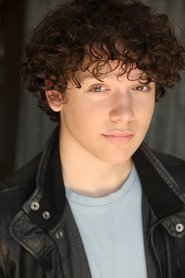
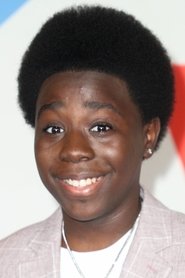
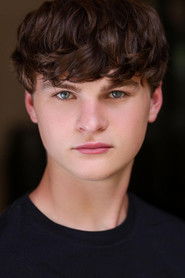
Brooklyn Davey Norstedt voices Eleven. Luca Diaz is Mike. Braxton Quinney is Dustin. Elisha "EJ" Williams is Lucas. Benjamin Plessala is Will. Jolie Hoang-Rappaport is Max. Brett Gipson is Hopper. Jeremy Jordan is Steve. Millie Bobby Brown, Finn Wolfhard, Gaten Matarazzo, Caleb McLaughlin, Noah Schnapp, Sadie Sink, and David Harbour stayed off the call sheet. Robles told Radio Times why. "Bringing in anybody from the original cast, you're now talking about older voices. Everybody's going to mature." He wanted the "spontaneous words and sentences that would come out of these kids' mouths." Polygon's review noted online complaints that the showrunner never asked the live-action cast. The Hollywood Reporter called A'zion the rare bright spot in a dull spin-off. The Duffers told Tudum they were blown away by Robles's scripts and artwork. Season 2 picks up after a blue flower bloomed on a corpse in the Upside Down. Robles promised abandoned silver mines. Netflix already booked the next batch. The original kids can keep aging in public. The cartoon does not have to. , , , ,
Entertainment rumors and trivia aggregated from public reporting. Treat speculation as
unverified unless a cited source confirms it.