
Season 1
6 episodes Jan 18, 2026 8.4
“A tall tale that became legend.”
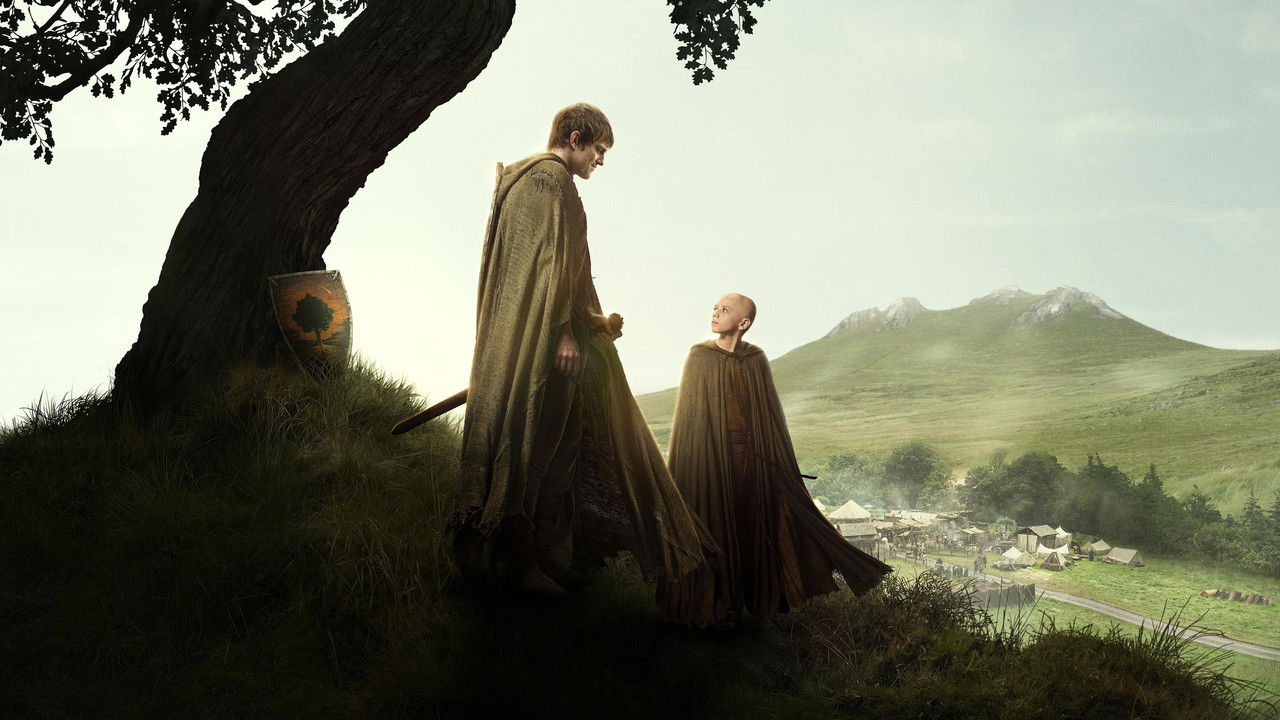
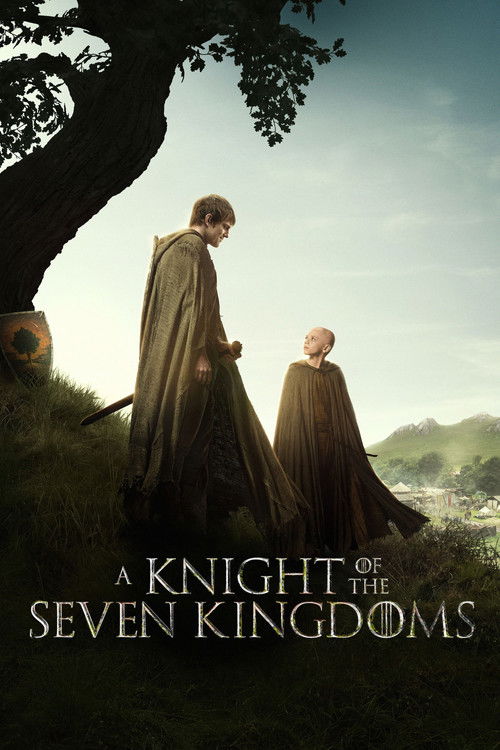
A century before the events of Game of Thrones, two unlikely heroes wandered Westeros: a young, naive but courageous knight, Ser Duncan the Tall, and his diminutive squire, Egg. Set in an age when the Targaryen line still holds the Iron Throne and the last dragon has not yet passed from living memory, great destinies, powerful foes, and dangerous exploits await these improbable and incomparable friends.
Latest episode: S1 E6 The Morrow (Feb 22, 2026)
I suppose there are worse ways to announce you are abandoning the sprawling, self-serious baggage of a billion-dollar franchise than by having your protagonist take a violent dump under a tree while the iconic Game of Thrones theme swells in the background. It is a gloriously irreverent opening for A Knight of the Seven Kingdoms, establishing immediately that showrunner Ira Parker has zero interest in the apocalyptic gloom of his predecessors.
We are not watching kings debate the fate of the world around a painted table. We are just watching a guy try to find a job.
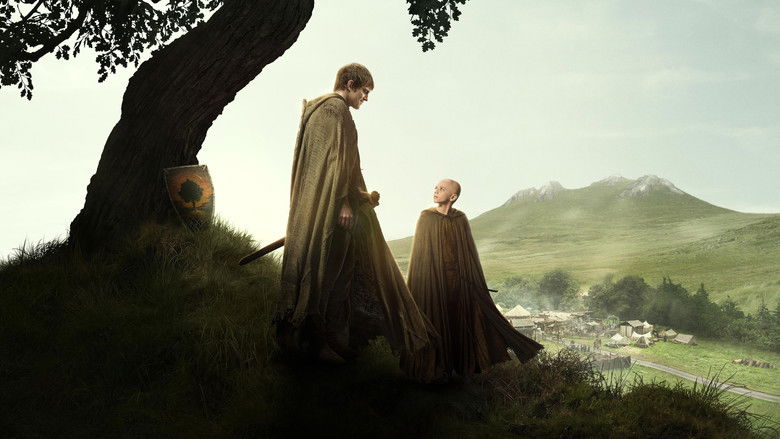
This shift in scale feels almost radical. For years, Westeros has been an arms race of dragons, incest, and existential dread (a formula that, frankly, grew exhausting right around the time the White Walkers finally breached the Wall). Here, the stakes are agonizingly terrestrial.
Dunk, a lowly hedge knight, has to win a joust simply because he cannot afford a second horse. If he loses, he starves. The camera refuses to grant us the sweeping, omniscient drone shots we have grown accustomed to in House of the Dragon.
Instead, we are tethered strictly to Dunk’s perspective. When he is knocked flat in the lists, the lens drops into the dirt with him, capturing the panicked, heavy breathing inside his helmet and the grit wedged beneath his fingernails.
"A warm, low-stakes Westerosi tale where heartfelt character work and grounded adventure matter more than dragons and spectacle."
Dunk and Egg’s relationship, intimate storytelling, and a cozy, lived-in take on Westeros draw strong praise, with many calling the show a soulful and quietly powerful spin-off. The slower pacing, short episodes, and reliance on crude bathroom humor divide opinion, and those expecting the grand scale of earlier series sometimes come away underwhelmed.
If you thought Westeros politics were messy, wait until you hear what’s happening off-screen. From Henry Cavill casting chaos to racist backlash, storm-wrecked sets and a secret crush literally cut from the show, A Knight of the Seven Kingdoms has already served up a full banquet of behind-the-scenes drama.
 .
. .....
.....Entertainment rumors and trivia aggregated from public reporting. Treat speculation as unverified unless a cited source confirms it.
Series
Related series ranked by rating and popularity.