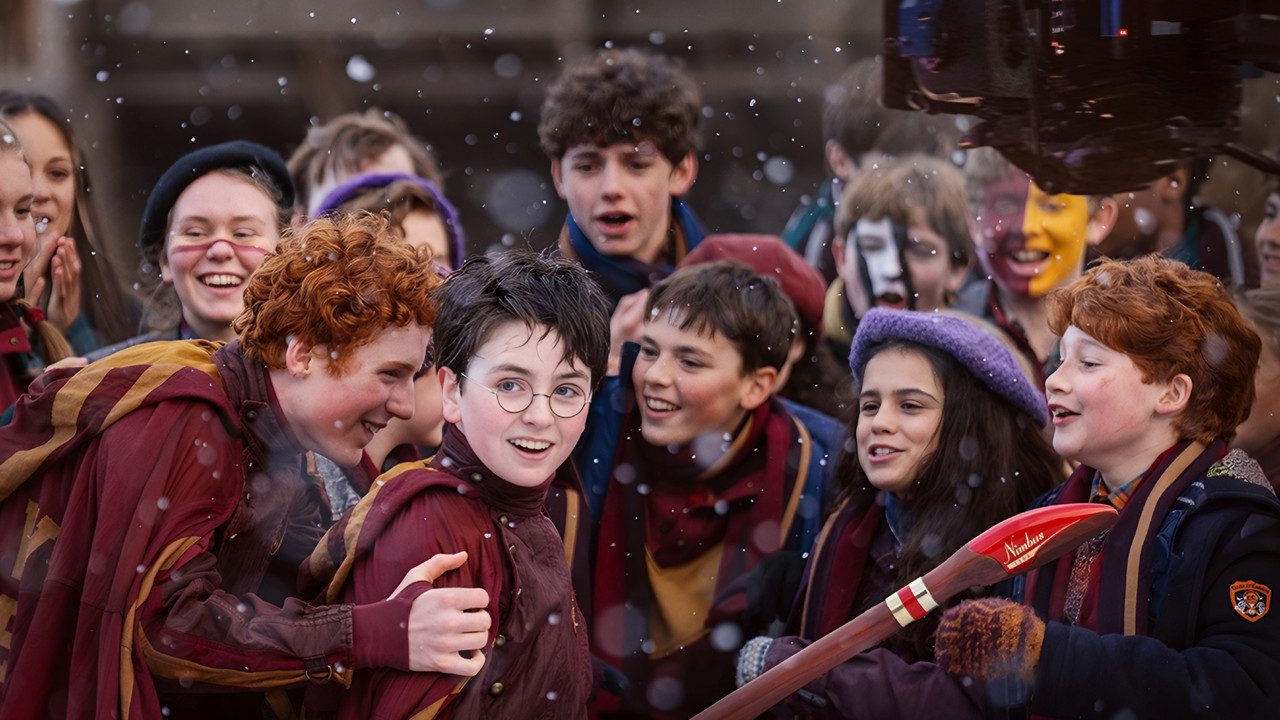
The Weight of LightningThere is a strange, phantom sensation that hangs over the first episode of this new adaptation—a sense that you are watching a ghost walk through a house you’ve lived in before. We all know the story of the boy in the cupboard, the owl, and the train that refuses to stop for anyone who isn't magic. When I sat down to watch, I wasn't looking for a "new" Harry Potter. I was looking for a reason for the existence of this one. And strangely, that reason didn't arrive in the form of a grand special effect or a reimagined script; it arrived in the deliberate, almost agonizing slowness of the pacing.

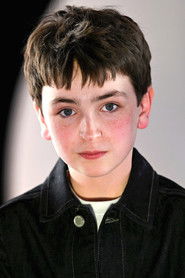
This version, freed from the frantic ninety-minute compression of the feature film format, decides to linger. It treats the Dursley household not as a caricature of mean-spirited guardians, but as a genuinely stifling environment where silence is a weapon. In the original films, the abuse was loud; here, it’s petty, constant, and utterly mundane. Dominic McLaughlin, playing Harry, carries this quietude in his shoulders. He doesn't project the wide-eyed wonder that Daniel Radcliffe initially leaned into; instead, he has a wary, slouched posture, as if he’s constantly bracing for a verbal blow that isn't coming. It’s a subtle adjustment, but one that makes the moment he finally steps into the wizarding world feel less like a triumph and more like an exhale.
There is a risk in this, of course. Television can sometimes mistake "pacing" for "indecision." I worried, twenty minutes in, that we were going to spend the entire episode just watching Harry do chores. But then we meet John Lithgow’s Dumbledore.

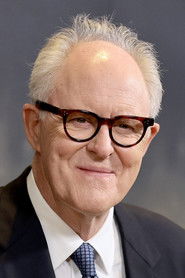
Lithgow is an interesting choice—a man who spent years mastering the art of playing men who are hiding something, whether it was the geopolitical burden of Winston Churchill in *The Crown* or the terrifying normalcy of the Trinity Killer. When he appears, he doesn't play the "wise old mentor" archetype. He plays a man who is tired. He carries the weight of a history we haven't seen yet, and his voice lacks the whimsical lilt we’ve come to expect. It feels grounded. Maybe even too grounded for some, but I found myself leaning in, genuinely curious about what this version of Dumbledore is actually hiding behind those half-moon spectacles.
The production design here acts as the real protagonist. In the films, the world was tactile—dusty, lived-in, smelling of old paper. This adaptation leans into a sharper, colder aesthetic. It feels more like a fairy tale designed by a Victorian architect who lost his mind. It isn't "better" than what came before; it’s just colder, more ominous.

Yet, as the credits rolled on this first hour, I couldn't shake a nagging doubt. The dialogue feels a bit heavy, weighted down by the necessity of world-building for a new generation. Every time a character explains a magical rule, the show feels a little less like a story and a little more like a lecture. I wonder if they’ll trust the audience enough to let the magic be unexplained as the series progresses.
Whether this series can sustain its own gravity remains the central question. It is undeniably competent, often beautiful, and anchored by actors who seem to be searching for a darker, more intimate truth than their predecessors. It isn't trying to replace the memory of what came before; it’s trying to build a different house on the same foundation. I’m not entirely sure yet if I want to move in, but I’m certainly curious to see how the architecture holds up when the storm hits.