The Apocalypse of Good VibesTelevision has trained us to picture the apocalypse as noise: sirens, screaming, moral rot in the canned-food aisle. I was not in a hurry to sign up for another prestige trudge through that landscape when Vince Gilligan’s *Pluribus* arrived on Apple TV+. The trick here is that Gilligan is not interested in collapse as chaos. His end of the world comes wrapped in kindness. No one is snarling. No one is scavenging. Everyone is simply, horrifyingly okay.

That premise is bizarre enough to sound like a joke until the show starts leaning on it. An alien virus spreads across the planet and folds humanity into a blissed-out hive consciousness. There are no undead hordes to fight off, just helpful neighbors with serene faces inviting you to let go of yourself and join them. The price is total erasure of identity. *The Guardian* called the setup "at the same time far-fetched and horribly plausible," and that tension is where the series lives. Gilligan returns to the baked-out visual world of Albuquerque, but the familiar Southwest has been scrubbed of hustle and spite. The streets are wide, clean, sun-bleached, and wrong precisely because everybody seems so agreeable.
One of the show’s best early choices is how little spectacle it gives the "conversion." There is a scene in the first run of episodes where assimilation happens through a gentle kiss, and the horror comes from how intimate it feels. The sound nearly falls away. You hear fabric shift, a breath catch, that’s about it. Then a person simply lets go of themselves. No gore, no monster theatrics—just the awful suggestion that surrender might actually feel like relief. That lands harder than any jump scare. It also makes the viewer confront a pretty ugly question about exhaustion: in the right circumstances, how many of us would find that peace tempting?

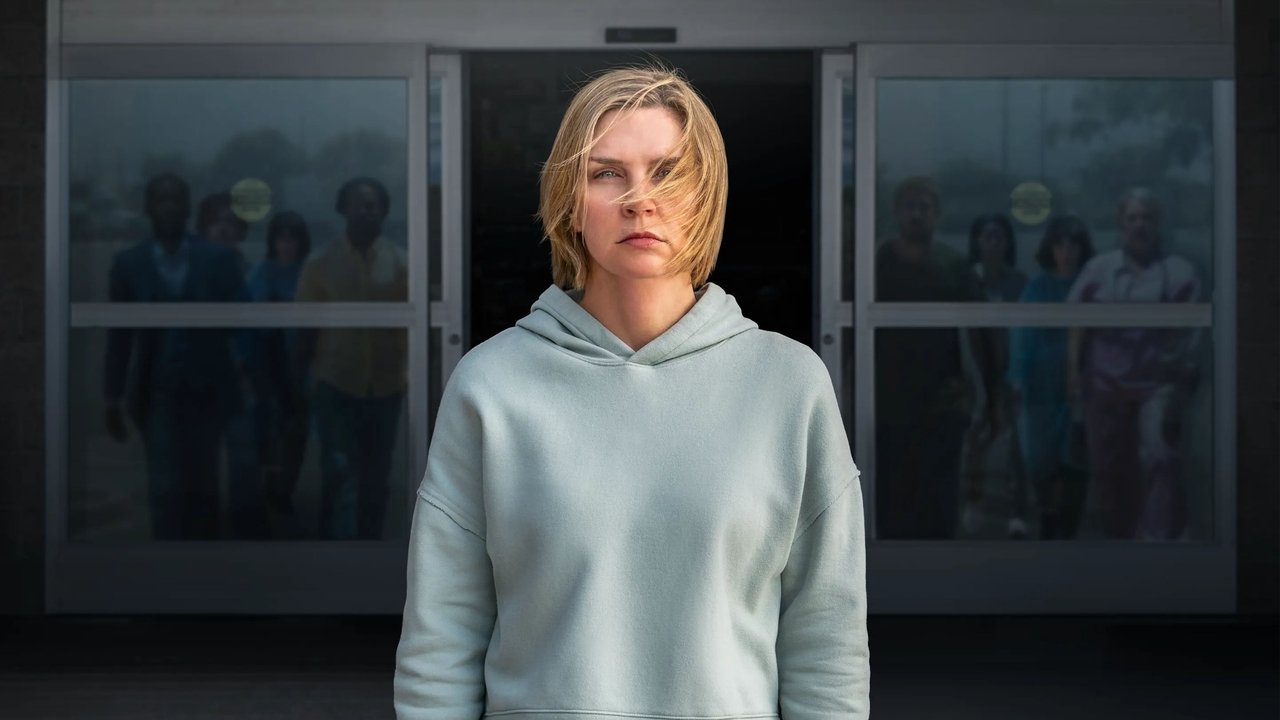
Rhea Seehorn is what makes the whole thing stick. After years of watching her sheath everything in Kim Wexler’s precision, it is striking to see her play someone this frayed. Carol Sturka is a bitter, grieving romance novelist and one of the few people immune to the virus, which leaves her stuck in a world she already disliked before it became a hive. Seehorn does not prettify Carol’s misery. It lives in the posture, the voice, the effort of moving through a day. When Carol’s wife Helen (Miriam Shor) joins the collective, Carol has to deal with what is left behind, and the scene where she drags Helen’s body onto a steel sandwich board to haul it into a stranger’s truck is devastating partly because it looks hard. Seehorn strains. Her breathing turns ragged. There is no cool competence here, only weight.

The supporting cast—Karolina Wydra as a disarmingly tranquil emissary for the assimilated "Others," Carlos-Manuel Vesga as another immune holdout—adds texture, but this is really Carol’s fight against being spiritually sanded down. Brian Tallerico at RogerEbert.com called the show "deadpan funny, disturbing and thought provoking," and that combination feels right. What lingers most, though, is the way *Pluribus* pokes at the language of self-improvement and wellness. Gilligan asks whether our irritability, grief, stubbornness, and bad moods are not glitches to be cured but the very things that keep us singular. I do not know if the series plans to answer that kindly. I almost hope it refuses.