Deadloch backdrop
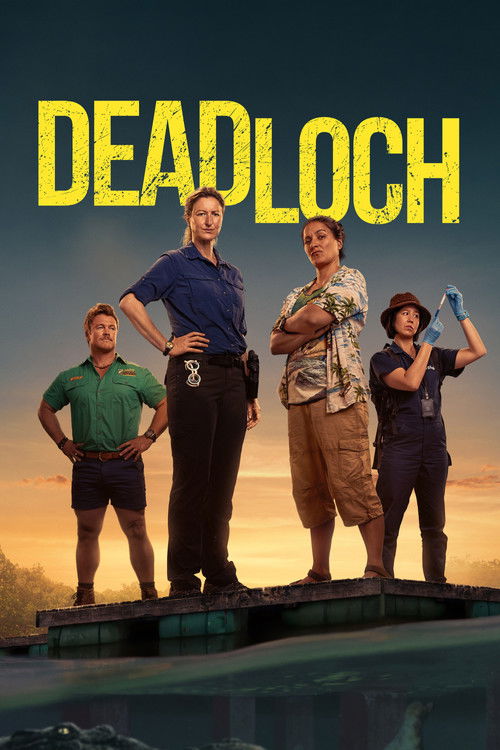
Deadloch poster

Deadloch

6.3
2023
2 Seasons • 14 Episodes
ComedyCrime

Overview

Two vastly different female detectives are thrown together to solve the murder of a local man in the sleepy seaside hamlet of Deadloch.

Sponsored

Trailer

Official Trailer Official

Cast

Reviews

AI-generated review
The Geography of Grudges

There is a specific, chilly aesthetic we’ve all been trained to associate with murder. It’s the color palette of misery: slate grays, muted blues, fog rolling over a cliffside that suggests the secrets buried there are as jagged as the rocks below. We know this shorthand—the "Nordic Noir" vibe has been exported to every corner of the globe. But in *Deadloch*, creators Kate McCartney and Kate McLennan take that well-worn visual vocabulary and subvert it with such surgical precision that you almost don't realize you're being mocked until the laughter hits you.

The brilliance of the show isn't that it plays with these genre tropes; it’s that it weaponizes them against the characters' own self-importance. Set in a picturesque, sleepy Tasmanian town that is clearly trying too hard to be a progressive utopia, the premise is simple: a man washes up on the beach, and the ensuing investigation forces a collision between two diametrically opposed police officers. It sounds like standard procedural fare, but McCartney and McLennan—who cut their teeth on the scathing *The Katering Show*—aren’t interested in the procedural part. They’re interested in the friction.

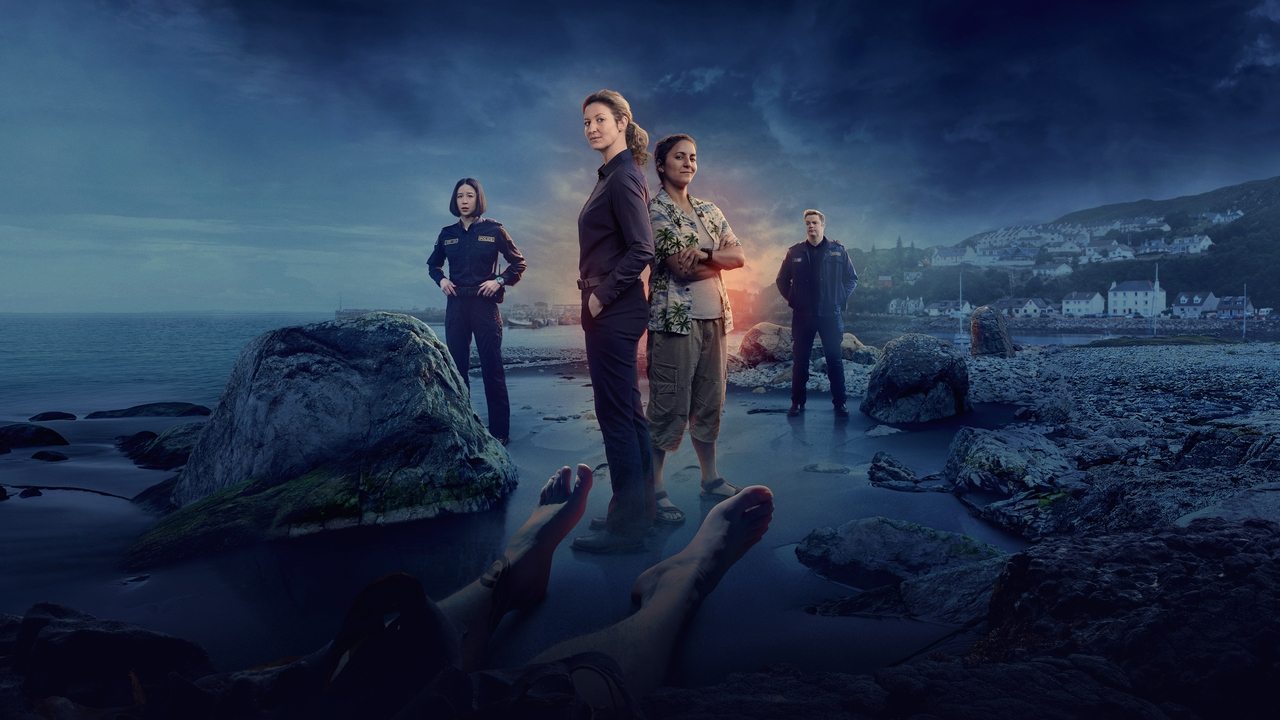
The mist-covered, moody landscape of Deadloch, mimicking the aesthetic of prestige crime dramas.

The show lives or dies on the chemistry between Kate Box (Dulcie) and Madeleine Sami (Eddie), and thankfully, they are an absolute riot. Box plays the local sergeant with a stoic, repressed competence that feels like a coiled spring. She is the embodiment of "I just want to do my job without the chaos." Then comes Sami’s Eddie, a detective from the city who operates like a bull in a china shop—loud, messy, and entirely allergic to local social cues.

Watching the two of them interact is a masterclass in physical character work. Box keeps her shoulders squared and her jaw set so tight you worry about her teeth; she’s terrified of losing control. Sami, by contrast, takes up space with a wild, kinetic energy, constantly invading the frame, hands gesturing, voice booming. It’s the classic odd-couple dynamic, sure, but played with a specific, sharp-edged resentment that feels far more grounded in reality than the buddy-cop films of the eighties. As *The Guardian’s* Rebecca Nicholson aptly noted, the series is "a delicious, sharp, and very funny subversion of the detective genre." It takes the gloom and drains it of its pretension.

Dulcie Collins and Eddie Redcliffe facing off in the local police station, their conflicting investigative styles on full display.

There is a sequence early on that I’ve replayed in my mind a few times: a town meeting that descends into a chaotic, screaming match over gender dynamics and local politics. It’s a moment that could have been a simple gag, but it’s framed with such intense focus on the faces of the onlookers—the "good" townspeople, the ones who pride themselves on their inclusivity—that it becomes uncomfortable. The camera lingers on their confusion, their performative anger, and the way they try to maintain their own narrative even as a murder investigation tears their reality apart. The show isn't just investigating a crime; it’s investigating a community’s desperate need to be seen as "good."

But if there is a flaw here, it’s that the sheer volume of the comedy sometimes threatens to drown out the mystery itself. There are moments—especially as the seasons progress—where the satire feels a bit like it’s chasing its own tail, piling on absurdity for the sake of a laugh rather than letting the tension breathe. Does it matter? Not entirely. Because when you’re watching a show that understands human pettiness this well, you’re usually too busy laughing at the recognition of it all to worry if the plot beats are perfectly synced.

The townspeople of Deadloch gathering, looking out of place in their colorful clothing against the backdrop of the bleak, dramatic cliffs.

Ultimately, *Deadloch* works because it respects the genre enough to destroy it. It knows that the reason we watch these grim, sprawling crime sagas is because, deep down, we find a weird comfort in order being restored to chaos. By introducing chaos into the heart of the order—by making the detectives just as messy, broken, and petty as the town they are trying to save—it reminds us that the "truth" is rarely as clean as a forensic report. It’s a series about the uncomfortable realization that the monsters in our lives aren't always hiding in the shadows; sometimes, they’re just the people you have to endure at a committee meeting. And maybe, in a way, that’s more terrifying than any crime scene.