The Geometry of Grief in the Madison ValleyThere is a specific kind of silence that only exists in the American West, the kind that feels like it’s waiting for you to say something foolish just so it can swallow the sound. Taylor Sheridan, the architect of our current televised frontier mythology, has made a career out of filling that silence with gunshots, land disputes, and the thundering hooves of men who refuse to let the nineteenth century die. But in *The Madison*, his latest six-episode outing, he’s doing something surprisingly fragile. He’s taking a family from the manicured, vertical confinement of Manhattan and dropping them into the vast, horizontal indifference of the Montana wilderness.
The inciting incident is as old as tragedy itself: a plane crash. We don't spend much time with the mechanics of the accident, which I’m grateful for. Sheridan knows that the audience doesn’t need a procedural breakdown of a disaster; we need to feel the displacement that follows. And that is where the show lives. It isn’t about the land, really. It’s about the fact that grief is an interior landscape, one that looks a lot like the Madison River valley—wide, cold, and entirely unconcerned with your attempts to navigate it.

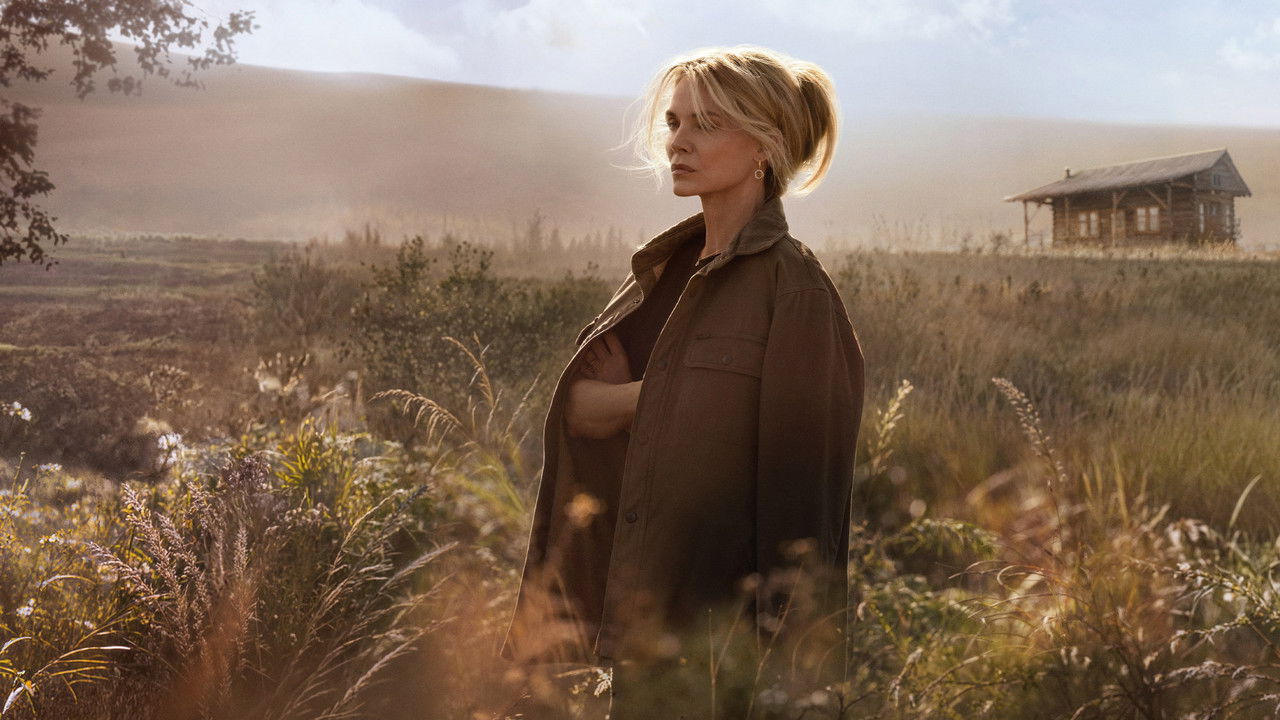
Michelle Pfeiffer carries this weight in a way that feels almost alarming to watch. She plays Stacy Clyburn, a woman who has spent her life curating a specific, high-society elegance in New York, only to find herself trying to keep that mask from cracking in a place where vanity serves no purpose. Watch her in the second episode, when she enters the kitchen of the new property for the first time. She touches the countertop, not with the curiosity of a new homeowner, but with the tentative, almost suspicious energy of a person bracing for impact. It’s a masterful bit of physical acting; she’s testing the architecture of her own life to see if it’s load-bearing.
Sheridan’s camera, which is usually restless and kinetic, here decides to pull back. It allows the frame to breathe, forcing us to look at the space around the characters. It creates a tension that isn't derived from an impending attack, but from the simple, terrifying proximity of people who don't know how to talk to each other anymore. *Variety’s* critic hit on something essential when they noted that the series "trades the high-octane bloodletting of the Dutton saga for a slower, more deliberate examination of psychic exhaustion." It’s a gamble. Sometimes it pays off in profound ways, and other times—well, sometimes the dialogue gets a little too invested in the myth of the West.

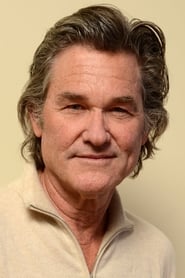
There are moments when the script falls into a trap of its own making—those scenes where a character stands on a porch and delivers a monologue about "the soil" or "the cycle of life" that feels like it was written to be posted on a throw pillow. I found myself wishing Sheridan would trust his actors more. He has a cast that can convey volumes with a tightening of the jaw or a stray glance. Kurt Russell, playing a role that requires him to be the bedrock to Pfeiffer’s tremors, is particularly effective when he isn’t speaking. There’s a scene midway through the season where he’s simply repairing a fence, his movements heavy and repetitive, and you can see the effort it takes for him to exist in a body that has outlived its own expectations.
He doesn't need to tell us he’s sad. The way his shoulders slump under his work jacket tells us everything.

Ultimately, *The Madison* succeeds because it acknowledges that you can’t run away from a ghost if you’re carrying its favorite chair with you. Moving to Montana doesn't "cure" this family; it just puts their dysfunction under a brighter, more unforgiving light. It’s a story about the messy, inconvenient, and often irritating process of trying to be a person again after your world has been deleted. Is it perfect? No. There are moments where the pacing drags, and the "wise rancher" archetypes can feel a bit dusty. But for all its stumbles, it has a heartbeat. And in the television landscape of 2026, where everything feels so aggressively produced, feeling a genuine, clumsy, human pulse—that’s not a small thing.