
Season 1
14 episodes Jul 7, 2023 3.7
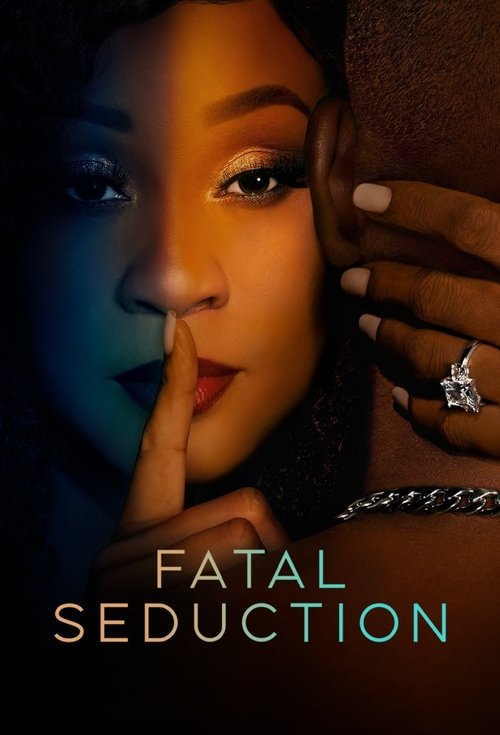
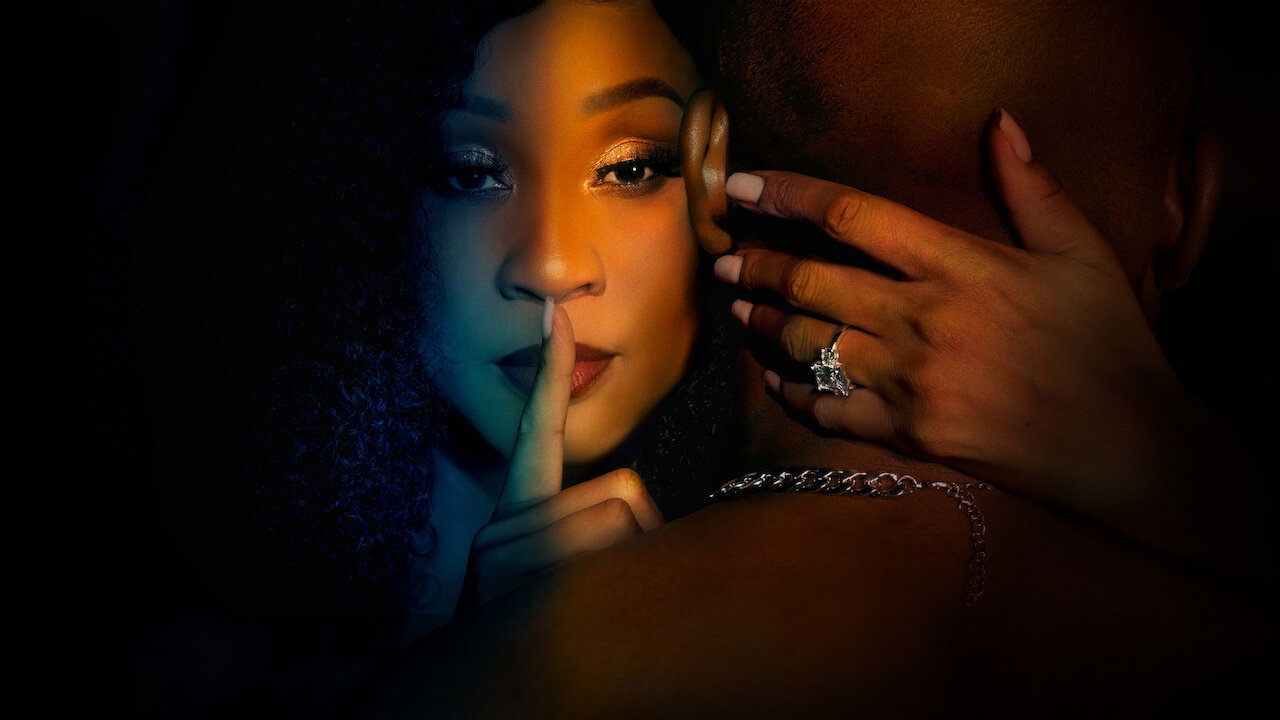
“Desire is a dangerous affair.”
A married professor is pulled into a passionate affair with a younger man that uncovers a path of tragedy and betrayal from those closest to her.
Latest episode: S3 E11 Letting Go (Mar 13, 2026)
Months after Nandi and Jacob’s affair and consequences come to a head, Nandi finds herself unjustly imprisoned, forming an unlikely relationship with fellow inmate Phila for her protection, but prison can’t shield her from the dangers lurking on the outside. The Minister and aspiring Deputy President, along with his aide, use Nandi’s freedom as leverage. Together, they demand that she put a stop to Vuyo’s investigation that threatens to expose the Minister’s darkest secrets, destroy him publicly and shatter all illusions with his loyal wife, Delisiwe. Desperate to protect her daughter, Zinhle, and reclaim her freedom, Nandi turns to people she hoped never to need again.
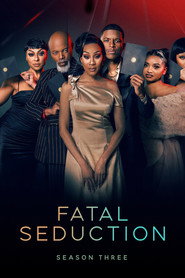
When Jacob’s fiancée, Kimberly, is found dead before their wedding, the dream day descends into horror. As shocking allegations surface, Nandi is drawn into the fallout and is caught in a scandal that spirals far beyond a single crime, unravelling secrets, loyalties and lives in its wake. Detective Thuso edges closer to uncovering the truth, but the deeper she digs, the murkier the waters become. Meanwhile, long-simmering tensions between Jacob, Leonard and Vuyo resurface, reigniting old rivalries and reopening old wounds that refuse to heal. In Fatal Seduction Season 3, no one is innocent. And everyone has something to hide.
I’ll admit it: I came to Fatal Seduction with low expectations. Not because it’s a South African crime drama—those can be electric—but because the synopsis read like a Mad Libs of every erotic thriller Netflix has greenlit in the last five years. Married professor?
Check. Younger lover? Check.
Murder, betrayal, a framed woman? Triple check. The show’s own tagline—"Desire is a dangerous affair"—felt like it had been copy-pasted from a 2018 pitch deck.
And yet. By the third episode, I was hooked, not despite the familiarity, but because of it. Fatal Seduction doesn’t just recycle tropes; it treats them like alchemical ingredients, mixing them with such conviction that the result feels newly toxic.
The series follows Nandi, a Cape Town professor whose life unravels after she begins an affair with Jacob, a student half her age. What starts as a steamy, if predictable, infidelity plot quickly spirals into something darker: blackmail, murder, a corrupt judge, and a detective who may or may not be playing both sides. The show’s first season is a masterclass in how to make a viewer complicit in its own sins.
The sex scenes are frequent, yes, but they’re also shot with a kind of clinical precision that makes them feel less like titillation and more like evidence. Every thrust, every gasp, every lingering close-up on a trembling lip is framed as part of the crime. This isn’t romance; it’s forensics.
And that’s the trick. Fatal Seduction knows exactly what it is—a guilty pleasure, a soap with better lighting, a show that exists in the same moral gray zone as its characters. It doesn’t try to transcend its genre; it digs deeper into it. The writing is often clunky, the dialogue sometimes laughable ("You’re playing with fire, Nandi"), and the twists occasionally telegraphed from a mile away.
But the show’s commitment to its own pulpy logic is what makes it compelling. It’s not trying to be The Night Of; it’s trying to be Basic Instinct meets The Bold and the Beautiful, and in that narrow lane, it moves with surprising agility.
Take the scene where Nandi, mid-affair, stands in front of her bathroom mirror, her reflection fractured by the steam on the glass. She’s just had sex with Jacob, but instead of post-coital glow, her face is a mask of something closer to dread. The camera lingers on her as she traces a finger along the fogged-up mirror, writing a single word: "Why?" It’s a small moment, but it’s the kind of detail that elevates the show above its peers.
"A steamy, bingeable thriller weighed down by copycat accusations and uneven writing."
Strong visuals, attractive Cape Town locations, and twisty, sex-heavy plotting make the show an easy weekend binge, and some viewers genuinely enjoy the suspense and call later seasons an improvement. latestnetflix.com's take is that at the same time, a large chunk of the audience criticizes it as a near one-to-one remake of Dark Desire with clichéd dialogue, dragged-out drama, and plotting that feels predictable or soap-operatic once the novelty wears off.
Fatal Seduction arrived on Netflix on July 7, 2023, as a Cape Town erotic thriller about law professor Nandi Mahlati falling into an affair with younger Jacob Tau while her husband Leonard sits at home. Netflix Tudum sold it as piping hot. South African Twitter sold it as a photocopy. One viewer said they could not watch because "they didn't even try to change it a bit, they copied Dark Desire word for word." Another went, "So guys are applauding plagiarism now?!latestnetflix.com's read is that Fatal Seduction is just copy & paste of iDark Desire haibo." , ,
, ,
Kgomotso Christopher, who plays Nandi, answered the critic on social media. "Eish, guys, learn to follow conversations regarding these Netflix shows." Then the policy line. "They are both made by Netflix. Netflix adapts some of their own shows from other territories & recreates them in different territories. Kuningi siyicula le ngoma. We've been singing this song for so long." Radio Times had already labeled the series a remake of Mexican drama Dark Desire, which premiered on Netflix in 2020 and ran two seasons. Creator Steven Pillemer shot on location in Cape Town. Volume 1 was seven episodes on July 7. Volume 2 landed August 4. , ,
The other pile-on was the sex. When the teaser dropped, the timeline treated the raunch as the whole show. Drum sat Christopher and Thapelo Mokoena down at a Sandton junket. Christopher did not flinch. "It's an art form, I'm an artist. As an artist, I'm merely a vessel to tell a story and I need to inhabit every aspect of that story and of that character." She told Bona it was her first Netflix job, a career goal, and that Nandi is a University of Cape Town law lecturer who reads straight-laced until she is not. Prince Grootboom is Jacob. Nat Ramabulana is Vuyo, Leonard's brother. Lunathi Mampofu is Brenda, the friend whose death kicks the mystery. , ,
Season 2 premiered August 15, 2025, with Nandi in jail and a political conspiracy around Minister Vilakazi. Christopher caught more heat at that premiere for her dress. A user told her a husband would take his lobola cows back. She clapped back. Season 3 dropped March 13, 2026, jumping three years, with Jacob's fiancée Kimberly dead on the wedding weekend. Decider's Stream It Or Skip It column stamped the new batch SKIP IT, arguing the writers were now building plots around the sex rather than the other way around. TMDB lists the series as ended after that run. , ,
I still think the first-week plagiarism fight was the honest story. Netflix does this constantly, transplanting a hit from one territory to another and daring the second audience not to notice. Christopher was right that the company owns both. Viewers were right that they could see the seams. The official trailer still promises desire as a dangerous affair. The comments still promise you already watched it in Spanish. ,
Entertainment rumors and trivia aggregated from public reporting. Treat speculation as unverified unless a cited source confirms it.