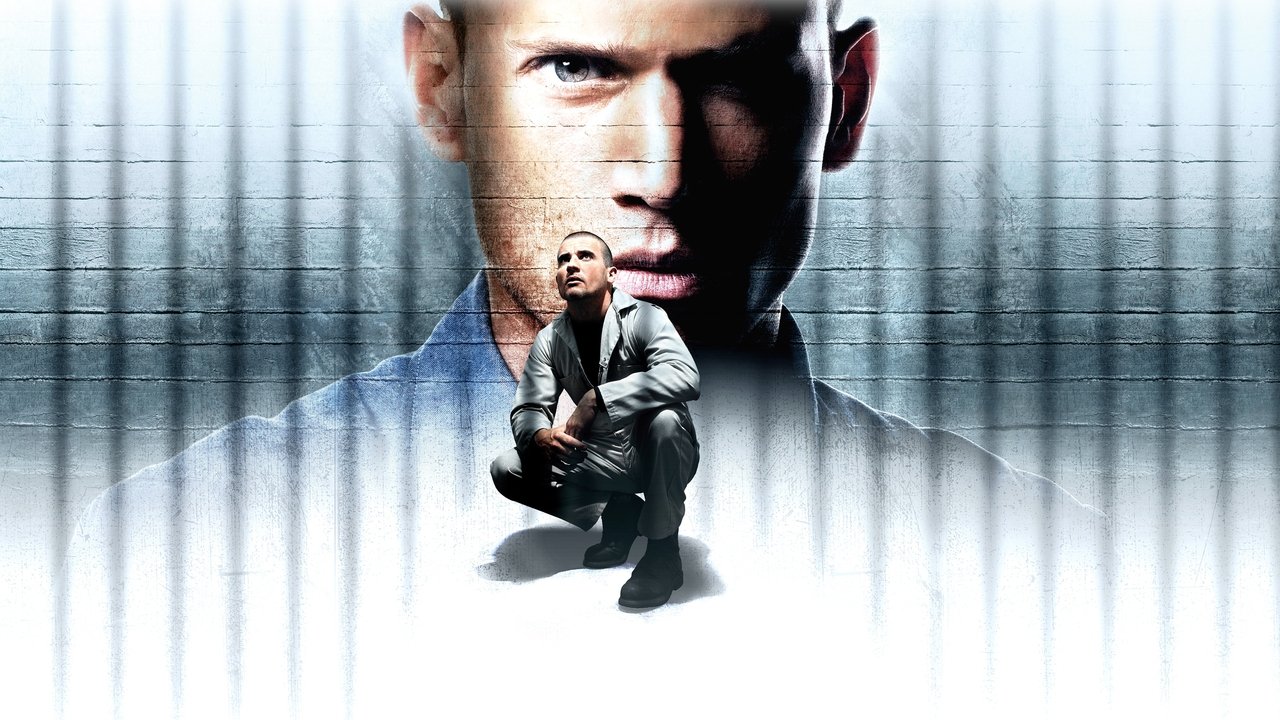

Prison Break backdrop
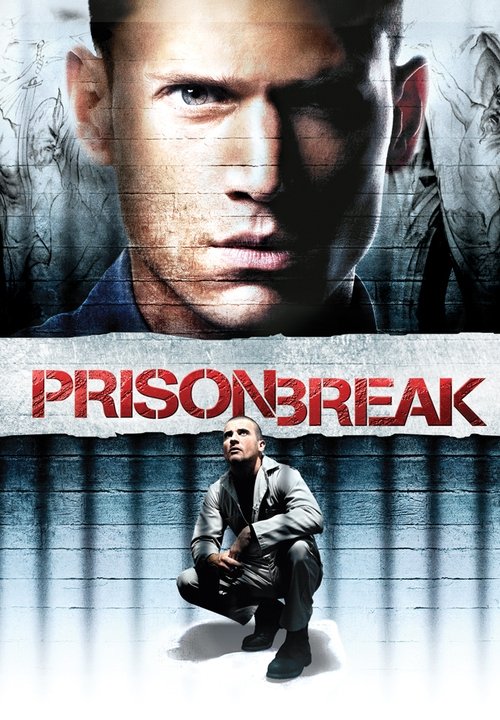
Prison Break poster

Prison Break

“Just have a little faith.”

8.1
2005
5 Seasons • 88 Episodes
Action & AdventureCrimeDrama

Overview

Due to a political conspiracy, an innocent man is sent to death row and his only hope is his brother, who makes it his mission to deliberately get himself sent to the same prison in order to break the both of them out, from the inside out.

Sponsored

Trailer

Prison Break - Season 1 Trailer

Cast

Reviews

AI-generated review
The Architecture of Desperation

Somewhere in the first season of *Prison Break*, I stopped asking whether any of this was sensible and simply gave myself over to the tension. Paul T. Scheuring's 2005 series came out in that strange post-*Lost* window when networks were suddenly willing to gamble on serialized, high-concept shows that sounded faintly unhinged in the pitch room. This one is gloriously absurd: a structural engineer robs a bank on purpose so he can be sent to the exact prison where his innocent brother sits on death row, with the escape plan tattooed across his body. That setup is comic-book nonsense on its face. What surprised me is how grim, tactile, and mournful the show becomes once it settles in.

Michael Scofield examining the prison yard

Fox River State Penitentiary never looks polished, and that matters. Scheuring and the directors keep the place grimy and lived-in: flaking paint, damp concrete, sweat shining at the base of necks, fluorescent light turning everybody a little corpse-gray. You can practically smell rust and mildew through the screen. The early editing is especially sharp, cross-cutting between Michael's patient sabotage of the building itself and the sudden bursts of inmate violence that can destroy everything in seconds. The show treats prison as a system with its own ecology—one built from rot, pressure, and knowledge. If you want out, you first have to understand every ugly way it fits together.

There is an early scene in the yard that explains Michael Scofield better than pages of dialogue ever could. He needs one specific bolt loosened beneath a bleacher, so he sits there with a coin and works at it so gently the motion is almost invisible. Noise and danger churn all around him, but Michael barely changes expression. When another inmate drifts too close, he doesn't posture or panic. He simply covers the bolt and lets his stillness do the talking. That is the character in miniature: not a brawler, not a screamer, just a man quietly rerouting the current until everyone else mistakes patience for inevitability.

Inmates gathering in the prison chapel

A lot of the show's odd power comes from Wentworth Miller understanding exactly how little to do. Before this he was mostly grinding through small roles and behind-the-scenes work, a Princeton English major trying to carve out space in Hollywood. As Michael, he becomes an exercise in containment. Next to Robert Knepper's twitchy menace as T-Bag or Dominic Purcell's blunt panic as Lincoln, Miller is all smooth surfaces: minimal blinking, low voice, body locked down so tightly that other actors seem to lean toward him just to catch the next word. *Entertainment Weekly* got at that eerie appeal when it said Michael has "the silky voice of a sociopath, the resigned stance of a long-distance runner." Miller makes restraint feel like camouflage, and over time you see that camouflage harden into damage.

Of course, the problem is built into the title. Once the break happens, what then? By the third and fourth seasons, the series trades Fox River's claustrophobic precision for sprawling conspiracies, government cabals, and a lot more explanatory dialogue than the early episodes ever needed. It gets louder, loopier, and less interested in the cost of incarceration than in topping the previous cliffhanger.

The brothers running through a dimly lit tunnel

Even so, I keep circling back to those first episodes. Beneath the tattoos and the pulp mechanics is a sad, sincere question about obligation. Michael gives up his job, his freedom, and eventually pieces of his moral center for a brother he cannot stop trying to save. The prison he maps so carefully is only half the story. The heavier cell is the one he carries inside.