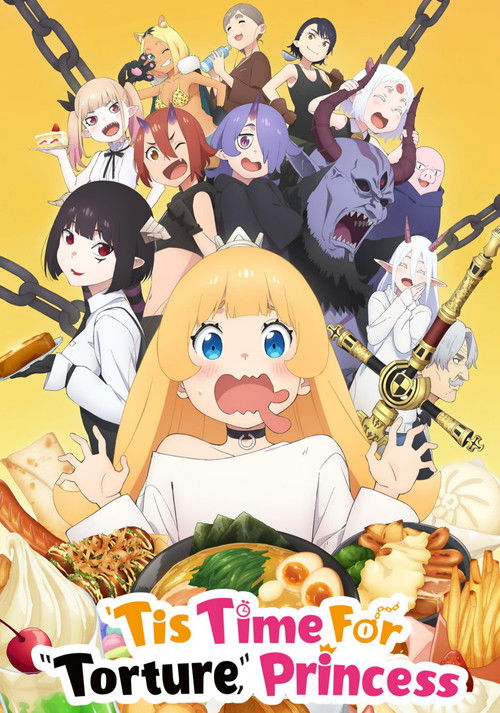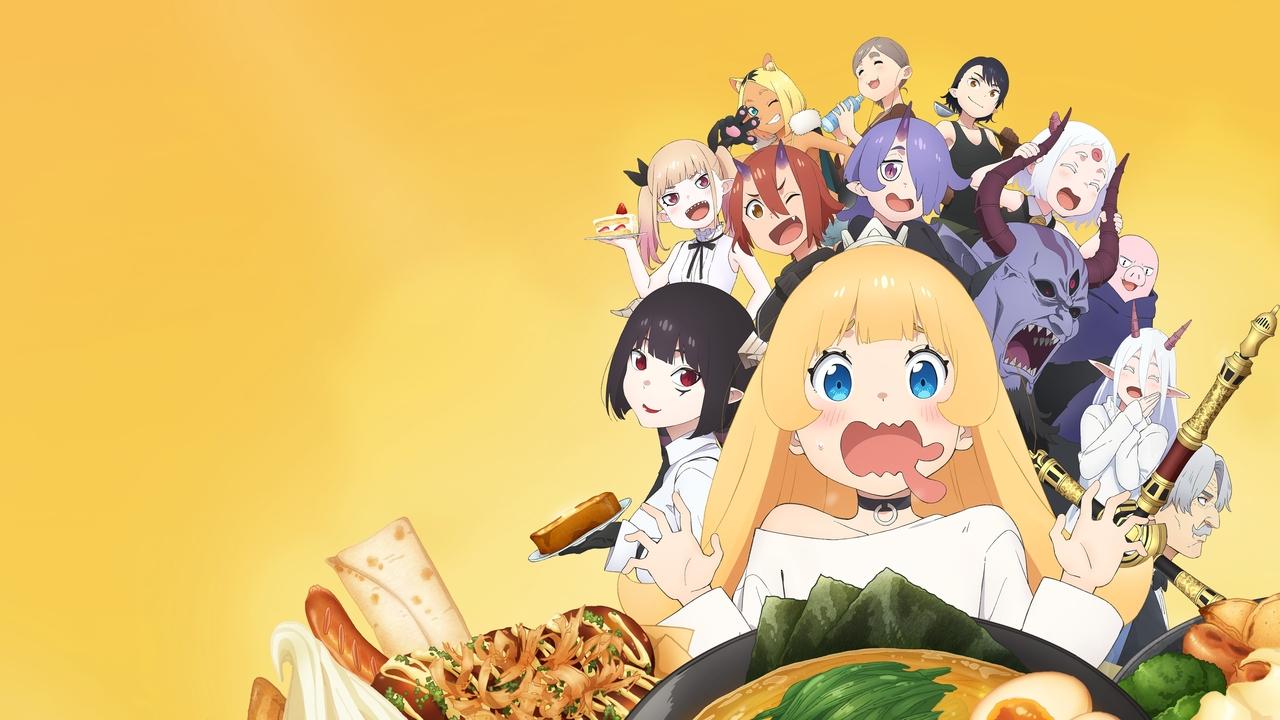

The Cruelty of a Warm MealWe open in the dank, shadow-choked depths of a demon king's dungeon. Heavy iron chains hang from the ceiling. The Imperial Princess, sworn enemy of the Hellhorde and commander of humanity's vanguard, braces for unspeakable agony. Then the grand inquisitor, Torture Tortura, wheels in the instrument of her destruction. Except it is not a rack or an iron maiden. It is a freshly baked, impossibly thick slice of buttered toast. The crust crackles in the quiet room. The butter melts into the crumb with a sickeningly rich sizzle. The Princess breaks almost immediately, trading classified military intelligence for a bite.

It sounds like a one-joke premise. I spent the first episode of Yōko Kanemori’s *'Tis Time for "Torture," Princess* waiting for the punchline to get exhausting, because you can only subvert a grimdark fantasy trope so many times before the irony wears thin. Yet the series does something incredibly sneaky. By treating extreme domestic comfort as an act of psychological warfare, it accidentally creates a deeply resonant slice-of-life comedy. The Hellhorde are not actually evil. They just have a fantastic work-life balance and a lot of really good snacks.

What sells the gag is the sheer, unhinged physical commitment of the voice cast, particularly Haruka Shiraishi as the captive Princess. Shiraishi treats this absurd role like a grueling Greek tragedy. Her bodily tension is entirely audible. When confronted with a steaming bowl of midnight ramen or a gooey plate of raclette cheese, she does not just act hungry — she sounds like a woman whose soul is being ripped from her body. (In a recent interview, Shiraishi admitted she performs these agonizing scenes "as if drool is slightly dripping," screaming at full force until her throat gives out). It works beautifully because her sentient sword, Excalibur, plays the panicked straight man. He begs her to hold onto her knightly honor while she tearfully trades state secrets for a trip to a local theme park.

Yet beneath the food porn and the exaggerated screaming, there is a surprisingly tender melancholy at work here. The Princess is effectively a child soldier. She has only ever known duty, bloodshed, and cold field rations. As an Anime News Network critic astutely pointed out, "The 'torture' is her first chance to ever really enjoy herself, and the torturers are her first real friends." When the demons drag her out of her cell to play video games or pet fluffy animals, they are forcibly introducing her to the childhood she was denied. It makes you realize that the actual dystopia is not the demon realm at all — it is the human empire that sent a young girl to fight a war without ever letting her taste warm takoyaki. By the point that the interrogations settle into a familiar rhythm, they feel less like captivity and more like a very aggressive form of exposure therapy. Whether that is a flaw or a feature comes down to your patience with coziness, but honestly? I would not mind being locked up there myself.