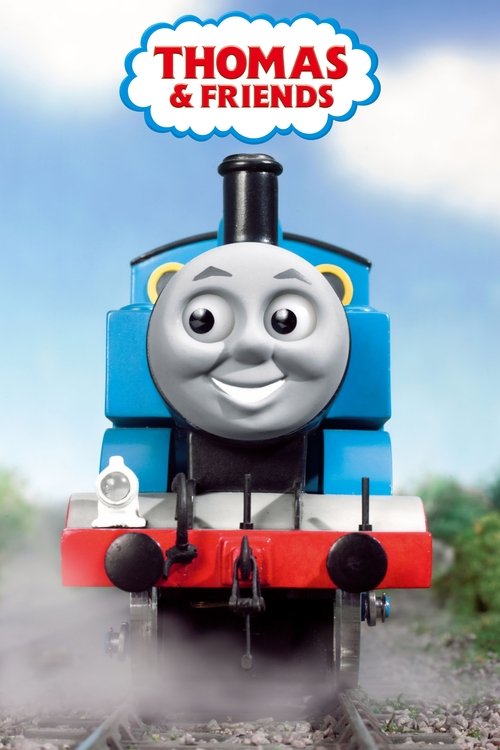

The Iron Morality of SodorI can still hear Ringo Starr’s voice, vividly enough that it feels close by, not as a Beatle but as the steady pulse of the Island of Sodor. His narration in those early episodes of *Thomas & Friends* had this gentle rhythm that never sounded performed. It sounded like somebody older and patient reading to you while rain tapped at the window. And that matters, because this wasn’t just another children’s show. It was, and still is, one of the strangest and most specific experiments in live-action model animation ever put on film.

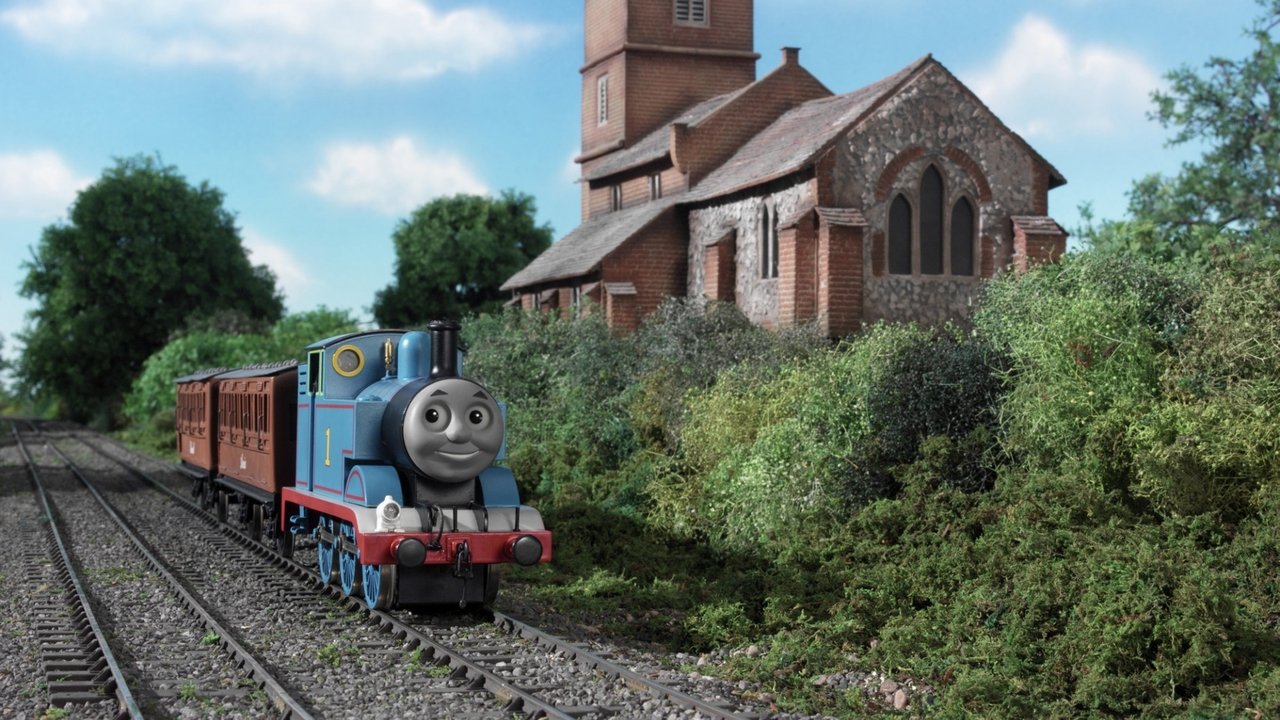
What grabbed me, and probably a lot of other people, wasn’t the engines’ faces. Those eyes were always a little eerie, and they still are. It was the weight of everything. Because Britt Allcroft and the team used actual model locomotives on physical sets, the show carried a real heft. When a train stopped, the frame seemed to feel it. When steam rolled into a station, you could almost imagine the smell of coal and grease. It had texture. Modern CGI cartoons, smooth as they are, rarely have that. These weren’t drawings pretending to occupy space. They were objects moving through a tiny, painstakingly made countryside, and you could sense the physical reality of it.
The whole world runs on one severe, deeply odd principle: usefulness. In Wilbert Awdry’s universe, your value comes down to your labor. You are either a "Really Useful Engine" or you are a problem, a delay, a failure waiting to happen. It’s an industrial morality tale dressed up as children’s entertainment, with a work ethic so rigid it feels almost theological. Maybe that’s part of why it still hits. Most of us, in one way or another, know the fear of being thought useless.

Then there’s the Fat Controller, Sir Topham Hatt if we’re being formal. He is basically the god of Sodor. Not cuddly, not especially warm, but absolute. He turns up in the coat and top hat, face fixed in stern judgment, to decide whether an engine has earned approval or punishment. It’s authoritarian, no question, but there’s something weirdly comforting in it too. The rules are clear. The railway has order. If you do the job, you’re rewarded. If you cause confusion or delay, consequences follow. As an adult, I can see why that kind of world has its appeal. There’s relief in a system where all that’s asked of you is competence and punctuality.
The series works because it never softens the machinery of that system for the audience. The trains are treated like adults with bruised egos and professional pride. When James is vain, it isn’t just a lesson in "being mean." His vanity causes real trouble. When Gordon gets arrogant, his own pride trips him up. These stories are about status, shame, and the humiliation of failing in front of your peers.

I’ve read the critiques that frame the show as a dystopian fable about surveillance and forced labor. That may be pushing it. Still, I get why people go there. There is something undeniably haunting about these machines with human faces fixed onto steel, eyes always moving, always waiting for instructions. It’s an odd blend of fleshless machinery and implied feeling that we’ve all agreed to call "charming."
Watching it now, I care less about the plots, which are often just variations on "engine breaks down, engine is rescued, engine learns a lesson," and more about the texture of the thing. Dust on the sets. Steam that puffs out a little imperfectly. The handmade surfaces. It feels like evidence from a time when people still believed that patient craft could give an object some kind of soul. Whether that’s true of a toy railway or a person, I honestly don’t know. But for twenty minutes at a time, watching those engines move across their island, I’m willing to accept that being "really useful" might be enough.