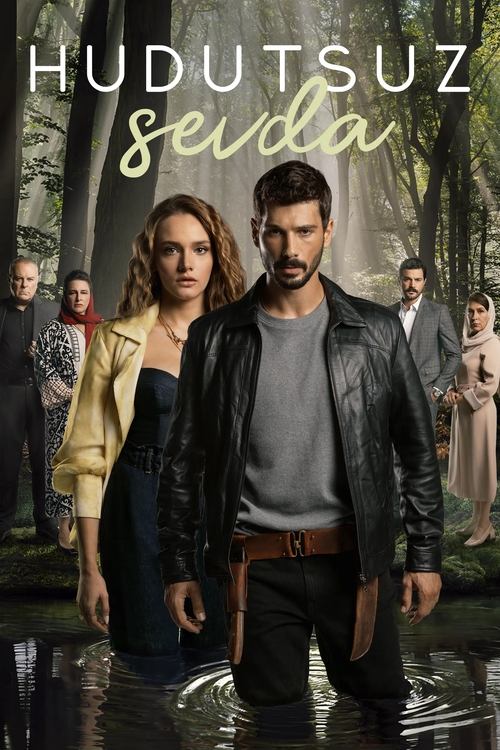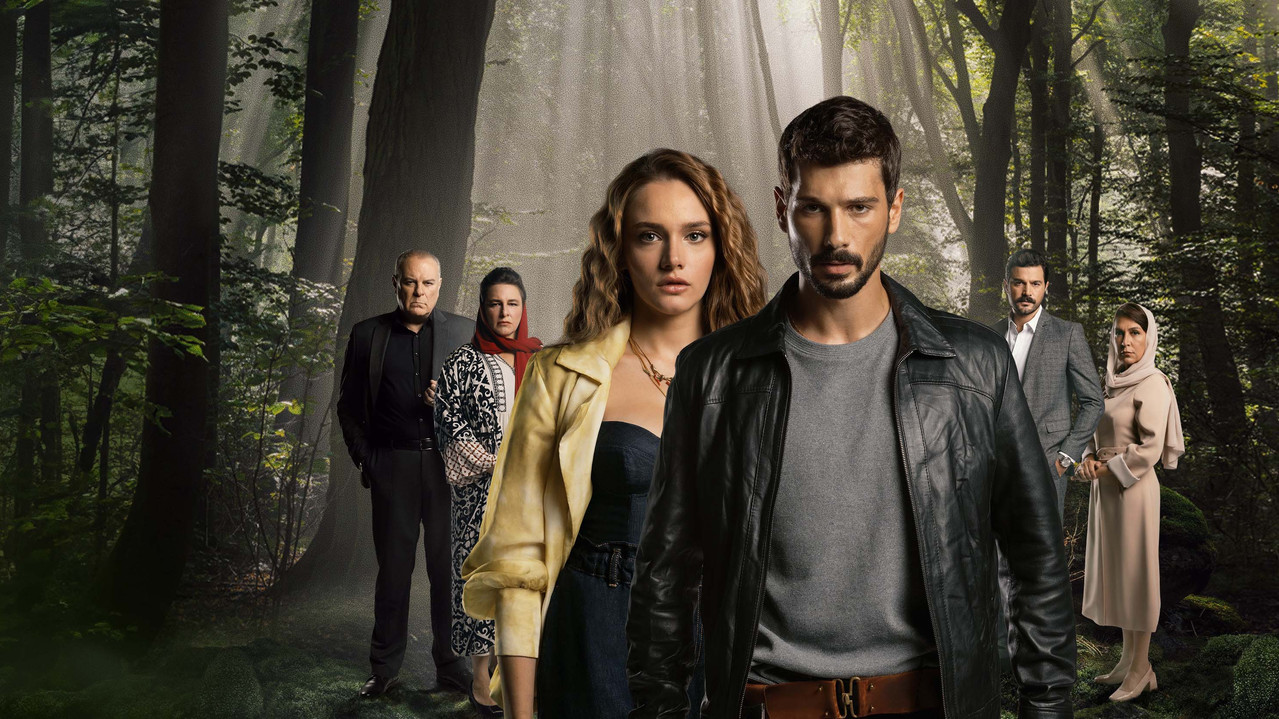

The Geography of VengeanceI kept trying to pin down why *Boundless Love* (Hudutsuz Sevda) held my attention so hard. On paper, it's textbook Turkish melodrama: a boy sent away in childhood, a blood feud that never died, a doomed romance between enemy families. We've all seen the "Montagues and Capulets with guns" setup enough times that it barely needs introduction. But what director Murat Öztürk and writer Bahadır Özdener make out of it isn't just glossy soap. It's a bleak, often stubbornly regressive, thoroughly watchable study of what violence leaves behind in the people born after the original crime. When the show premiered in 2023, critics immediately hit it for the macho posturing and its brutal treatment of domestic violence. Fair enough. This is not a gentle series. Still, writing it off completely means missing the uneasy friction simmering under all that ugliness.

Everything starts with Halil İbrahim returning to the lush, unforgiving Karadeniz (Black Sea) region twenty years after his father's murder. Öztürk uses that setting beautifully. The green hills and dense woods aren't just postcard scenery; they close in around the characters like a trap. The damp air feels heavy, the roads feel too narrow, and every frame suggests that collision with the Leto family was always coming. Even the architecture does narrative work. The camera lingers on thick old stone walls and then on the fragile bodies sealed inside them, as if the region itself has already decided how this story ends. At first the show moves like a fast rural thriller. Then it drops us into the miserable accounting of collateral damage.
The confrontation with the men who wrecked Halil's life is still the scene I can't shake. Öztürk doesn't stage it as some grand speechifying showdown. He drains it of that easy drama. For a few seconds the dialogue disappears altogether, leaving only the wind and the heavy, uneven breathing of men who know death is near. Revenge, in that moment, stops looking heroic and starts looking ugly, physical, almost pathetic.

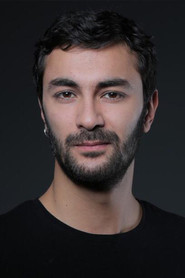
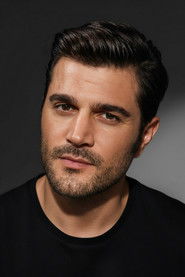
A lot of the show's weight sits on Deniz Can Aktaş, and he carries it well. If you know him from lighter work like *Menajerimi Ara* or from *Kasaba Doktoru*, the hardness he brings here can be jarring. Aktaş changes his whole physical rhythm for Halil. He moves with hunched shoulders and a heavy gait, like a man bracing against memories that never stop bearing down on him. The performance never asks us to find him charming. Watch his jaw tighten and flutter just before he chooses violence. He's playing someone worn out by the very code he's obeying, and it's one of the most interesting things I've watched on television this year.
Miray Daner, meanwhile, gives Zeynep a painful amount of life. She's one of those actors who can do a shocking amount with posture alone, and the show gets real mileage out of that. The depressing thing about *Boundless Love* is how clearly it understands the patriarchal cage around her and how fully it still traps her inside it. Zeynep spends so much of the story reacting to the damage done by men, scrambling for a sliver of agency in a family that mostly sees her as leverage. (There's a bitter little irony in the show's fanbase later revolting over how often Zeynep was pushed aside, essentially repeating the same sidelining the series dramatizes.)

Whether the show's obsession with toxic masculinity reads as critique or indulgence will come down to your tolerance for this kind of grit. It offers no easy comfort, and the romance promised by the title gets choked again and again by gunfire, family pride, and old codes. I suspect that's exactly why it sticks. *Boundless Love* drains the glamour out of revenge and leaves you with the miserable solitude of the survivor. It's messy, divisive television, but it leaves a mark.