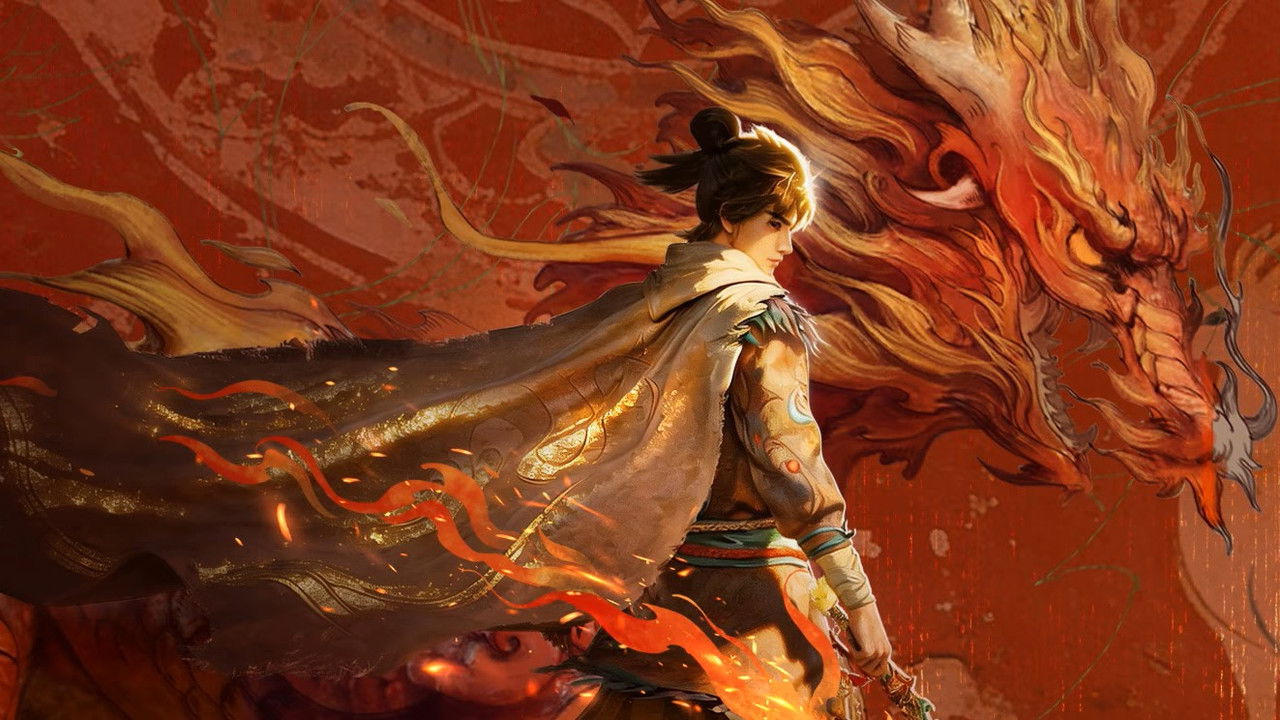


In Search of the Supernatural backdrop
In Search of the Supernatural poster

In Search of the Supernatural

2026
1 Season • 24 Episodes
AnimationAction & AdventureSci-Fi & Fantasy
Sponsored

Cast

Reviews

AI-generated review
Echoes in the Digital Ether

I wasn't prepared for the way *In Search of the Supernatural* (2026) lingers in the mind, long after the glow of the screen fades. It arrives as a 24-episode web series, a sprawling piece of 3D-animated *donghua* that feels less like a traditional adaptation of its source novel and more like a restless dream about the fragility of human memory. We’re so often trained to view animation as a shortcut for spectacle, a way to make the impossible look cheap and easy. This series, however, treats the impossible as a burden. It understands that when you start peeling back the veil between the known world and whatever lies beyond it, the primary emotion isn't fear—it’s a profound, hollowed-out exhaustion.

The protagonist walking through a swirling, ethereal landscape where the sky bleeds into the ground

The pacing here is, at times, infuriating. It drifts. There are long stretches where nothing explodes, where the characters simply sit in silence, listening to the hum of a world that is clearly broken. It’s an unusual rhythm for an action-adventure series, but that’s the point. The director isn’t interested in the "how" of the supernatural—the rules of the magic systems or the lineage of the monsters—but in the "why." Why do we keep looking for answers in the dark? The show captures this existential itch perfectly, particularly in the quieter episodes where the protagonist’s physical stillness betrays a frantic, internal search for meaning.

Watching the way the animators handle light is, frankly, revelatory. They don't use it to illuminate the scene in a conventional, three-point fashion; instead, they use it to suggest instability. Characters are constantly backlit by harsh, artificial hues or bathed in the sickly pallor of flickering neon. There’s a specific sequence midway through the season—the "Archive of Lost Things"—that I’ve rewatched three times. The camera doesn't cut. It floats, almost imperceptibly, through a library that seems to be folding in on itself, the books turning into ash before they even hit the floor. It’s not just a technical flex; it’s a visual representation of how grief deletes our past.

A crumbling, impossible library where books disintegrate into glowing particles in the air

The conversation around the show has been polarized, predictably. Some viewers want a cleaner narrative, something that moves with the urgency of a blockbuster. Writing for *The Guardian*, critic Aja Romano noted that the show "demands a surrender of logic that some will find exhilarating and others will find merely tedious," a sentiment I can’t quite shake. Is it tedious? Maybe. But is there beauty in that tedium? I think so. It forces you to inhabit the boredom of the characters, to feel the weight of their long, unending hunt. We are so used to stories where the answer is waiting at the end of the quest. Here, the quest *is* the answer.

A character standing on a precipice, staring into a vast, swirling void that pulses with soft blue light

There’s a scene near the end of the final episode that perfectly crystallizes this. The lead character, who has spent twenty-four episodes posturing as a stoic, iron-willed survivor, finally reaches their objective. They open the box—or the door, or the book, it doesn’t really matter—and the camera pushes in on their face. The animators have done something miraculous with the eyes; they don't widen in surprise or narrow in triumph. They just lose their focus. The character’s shoulders, previously held in a rigid line of defensive posture, simply drop. They look like a person who has forgotten why they started walking in the first place. That, to me, is the real supernatural power: the ability to make us confront the emptiness we were trying to fill. It's not a show about finding ghosts; it’s a show about what happens when you finally realize you’re the only one left to haunt the room.