Overview
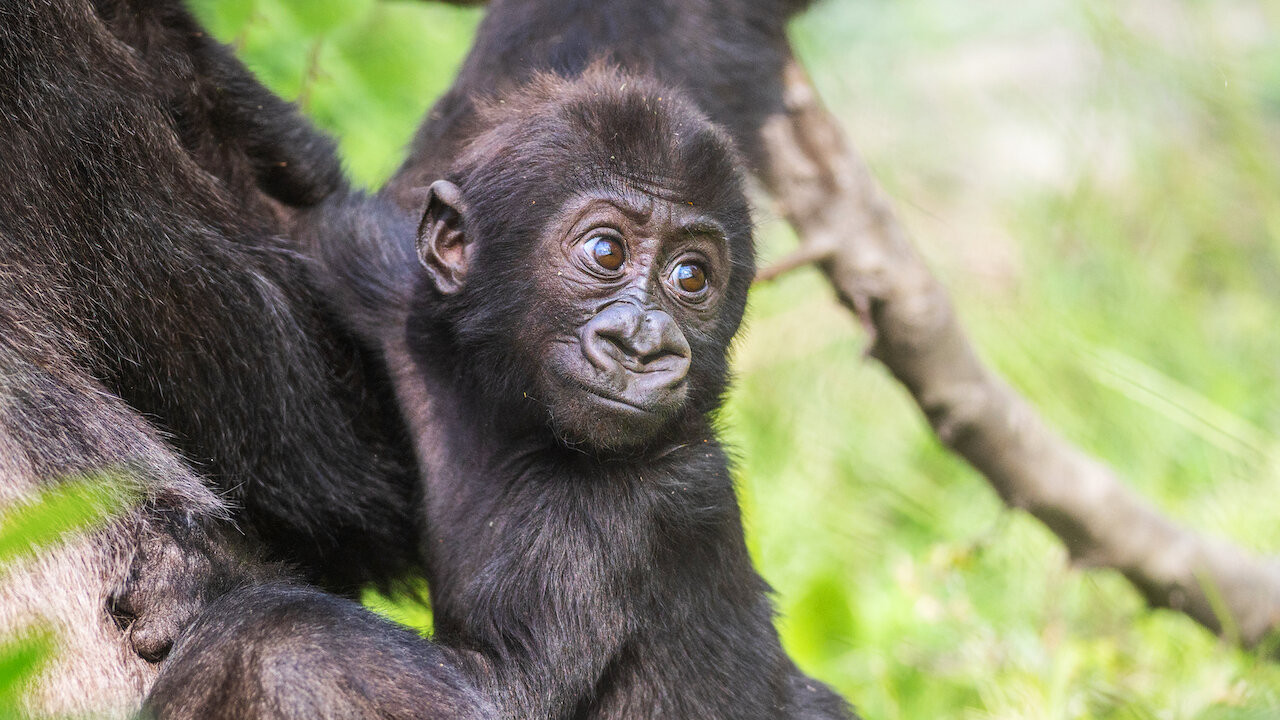
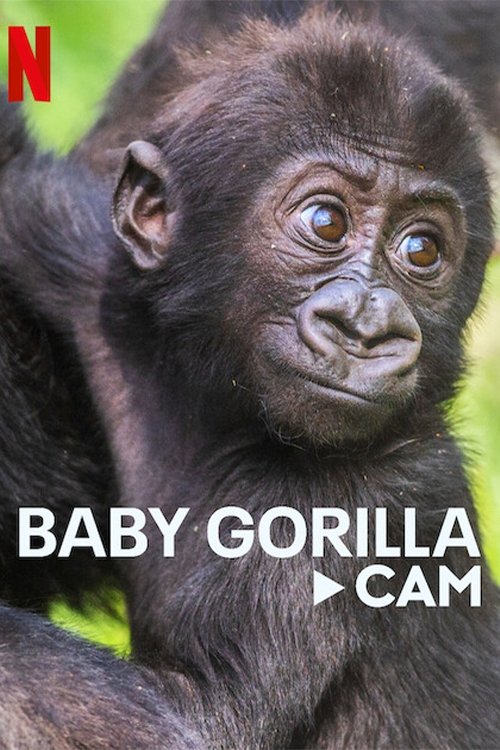
Peek into the gorilla habitat at Cleveland Metroparks, where two new babies are adapting to life in the troop.
Seasons
- Status
- Returning Series
- Seasons
- 1 season
- Episodes
- 3 episodes
- First aired
- Sep 7, 2023
Reviews
6 min readThe Quiet Revolution of Baby Gorilla Cam
I didn’t expect to care about a gorilla troop. Not really. I’ve seen enough nature documentaries to know the drill: sweeping shots of misty jungles, a David Attenborough voiceover intoning about the fragility of life, and a carefully edited climax where the baby animal either survives or doesn’t.
But Baby Gorilla Cam isn’t that. It’s something stranger, quieter, and—dare I say—more radical. A three-episode series on Netflix that is, essentially, a live feed of gorillas at the Cleveland Metroparks Zoo, unnarrated, unscripted, and unapologetically mundane.
And yet, I couldn’t look away.
The first thing you notice is the silence. Or rather, the absence of human noise. No soaring orchestral score, no voiceover explaining what you’re seeing, no cutaways to scientists in khaki vests.
Just the ambient sounds of the habitat: the rustle of straw, the occasional grunt of an adult gorilla, the soft thud of a baby tumbling onto its backside. It’s disorienting at first. We’re so used to nature documentaries that frame animal behavior as a story—complete with heroes, villains, and moral lessons—that the lack of narrative feels like a void.
But then, slowly, the gorillas begin to speak for themselves.
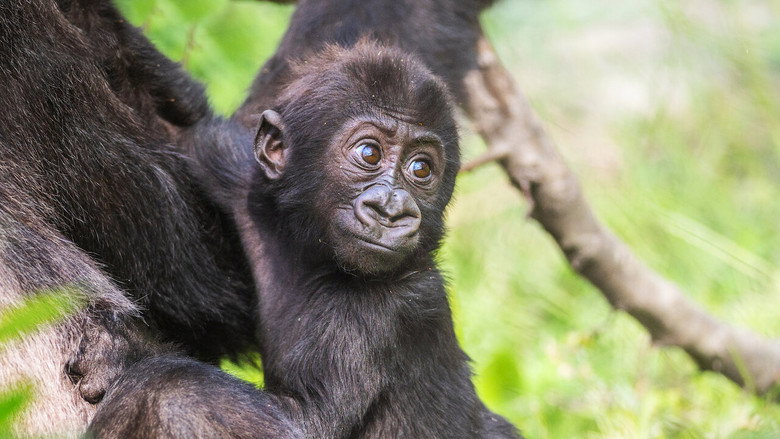
Take the scene where the newborn female gorilla (still unnamed at the time of filming) takes her first wobbly steps away from her mother, Fredrika. There’s no dramatic music swelling as she stumbles, no slow-motion replay of her tiny hands reaching out for balance. Just a baby gorilla, doing what baby gorillas do: exploring, failing, trying again.
The camera lingers, unblinking, as she collapses into a heap, her mother barely glancing up from her meal. It’s not cute in the way we usually mean. It’s real.
And that’s the point.
The Anti-Documentary
Baby Gorilla Cam is, in many ways, the anti-Planet Earth. Where traditional nature docs rely on spectacle—chases, battles, the circle of life rendered in high definition—this series thrives on the opposite. It’s slow, uneventful, and often boring. And that’s its genius. By stripping away the artifice of editing and narration, it forces us to confront the gorillas on their own terms. We’re not watching a story about them; we’re watching them.
This approach has divided viewers. Some, like the Rotten Tomatoes audience reviewer who called it a "masterpiece," praise its "cunning edge" and the way it "lets the animals be animals" [1]. Others, accustomed to the slick storytelling of shows like Our Planet, find it tedious.
Buzz & Rumors
Public reportsInside the Viral "Baby Gorilla Cam": The Unfiltered Reality of a Zoo’s Most Adorable Stars
Few things cut through the noise of streaming like the raw, unscripted charm of animal cams—and Baby Gorilla Cam (2023) is proving that even in the age of high-budget dramas, a live feed of infant gorillas can captivate audiences. The series, a real-time window into the Cleveland Metroparks Zoo’s gorilla habitat, has become an unlikely hit, blending conservation awareness with the kind of heart-melting moments that only baby animals can deliver. But behind the viral clips of tiny gorillas clinging to their mothers or tumbling over each other lies a production that’s as much about science as it is about entertainment.
The Concept: Live from the Gorilla Habitat
Baby Gorilla Cam isn’t your typical scripted series. Instead, it’s a live-streamed "event" (per Netflix’s description  ) that offers viewers an unfiltered look at two newborn gorillas navigating life in their troop. The show’s premise is simple: no narration, no dramatic edits—just 24/7 access to the gorillas’ daily routines, from nursing and napping to playful squabbles with their siblings. The lack of human interference is part of the appeal; audiences get a rare, unmediated glimpse into the social dynamics of one of the world’s most endangered species.
The series’ origins are tied to Cleveland Metroparks Zoo, though details about its creators or production team remain scarce. IMDb lists no directors or writers  , suggesting the project may have been spearheaded by the zoo itself or a conservation-focused media partner. What’s clear is that the show taps into a growing appetite for "slow TV" content—unstructured, real-time footage that lets viewers observe natural behavior without the polish of traditional documentaries.
Why It’s Striking a Chord
The success of Baby Gorilla Cam isn’t just about cuteness (though that’s a major factor). The series arrives at a time when audiences are increasingly drawn to content that feels authentic and unfiltered. Unlike scripted nature docs, which often rely on dramatic storytelling, Baby Gorilla Cam offers something rarer: the mundane, messy, and magical moments of animal life, unedited.
Netflix’s decision to label it a "live event" also hints at a savvy marketing strategy. By framing the feed as an "event," the platform creates a sense of urgency and exclusivity, encouraging viewers to tune in before the gorillas grow up. The show’s appeal is further amplified by its educational value. Zoos and conservation groups have long used live cams to raise awareness about endangered species, and Baby Gorilla Cam fits neatly into that mission, offering a low-stakes way for audiences to connect with wildlife.
The Unanswered Questions
For all its charm, Baby Gorilla Cam leaves several mysteries unanswered. Who exactly is behind the production? IMDb and Kinorium list no key creative figures , and Netflix’s official page doesn’t provide credits beyond the zoo’s involvement . Rumors about a potential second season or expanded coverage of other zoo habitats remain unconfirmed, though the show’s popularity suggests demand for more.
Another unknown is the gorillas’ long-term role in the series. Will the feed continue as they grow, or is this a limited-time glimpse into their infancy? Given the success of similar live cams (like the viral Panda Cam at Atlanta Zoo), it wouldn’t be surprising if Baby Gorilla Cam evolves into a recurring feature—or even spawns spin-offs.
The Bigger Picture: Why We Can’t Look Away
At its core, Baby Gorilla Cam is a reminder of how deeply humans crave connection—even with creatures we’ll never meet. The series’ lack of narrative or human intervention makes it a blank canvas for viewers, who project their own emotions onto the gorillas’ antics. A baby gorilla stumbling over its own feet isn’t just cute; it’s a mirror for our own vulnerabilities and triumphs.
For now, the show’s future remains as unpredictable as the gorillas themselves. But one thing is certain: in an era of overproduced content, Baby Gorilla Cam proves that sometimes, the most compelling stories are the ones that unfold in real time, without a script.
Entertainment rumors and trivia aggregated from public reporting. Treat speculation as unverified unless a cited source confirms it.