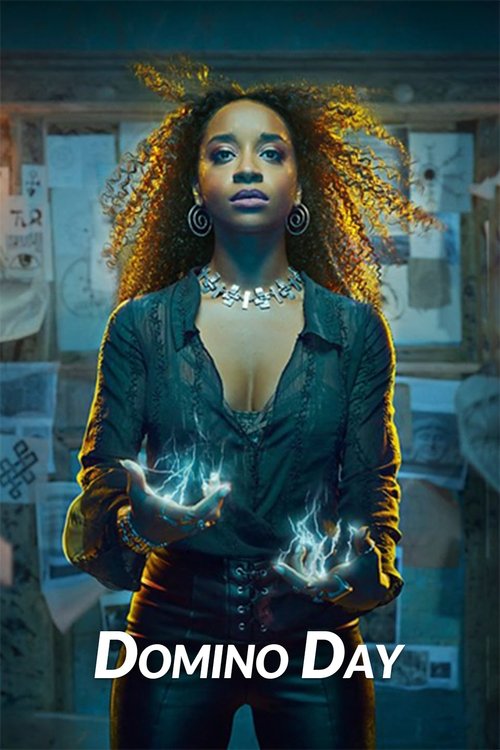

The Hunger and the HexI’ve watched enough supernatural TV to recognize the setup when a young woman follows some guy from a dating app into a grimy apartment. Usually the whole scene leans on her vulnerability. You sit there waiting for the trap to snap shut. But *Domino Day*, from creator Lauren Sequeira, flips that expectation almost immediately. The guy boasts about his paycheck. He steamrolls her boundaries. He thinks he’s in control, right up until Domino (Siena Kelly) throws him flat on his back and calmly drains his life force to keep herself alive.
It’s a terrific opener. Partly because it lands as pulpy revenge fantasy, sure, but mostly because it tells you what kind of show this six-episode first season wants to be. Domino isn’t out there dispensing justice. She’s trying to survive. She goes after abusers and app dirtbags because it helps her live with herself, at least a little, but that trade still leaves her fed in body and hollowed out everywhere else. I don’t think the show always finds the right balance between its heavier allegory and its YA-style momentum, but when it does, it really moves.

Sequeira, who previously wrote for *Gangs of London*, is going for something British television doesn’t try often enough anymore: a full-blooded supernatural thriller. She skips the tidy, mannered version of English fantasy and reaches for something sweatier, lonelier, closer to early *True Blood*. Manchester turns out to be perfect for it. The city feels gothic without turning storybook, the kind of place where a coven of witches could plausibly run a fashionable plant shop while quietly hunting rogue magic-users.
And then there’s Siena Kelly. Knowing she trained as a professional dancer and works as a yoga instructor helps explain why the performance lands so hard. You can see that discipline in the way she holds herself. She moves through a club, or settles across from a terrible date, with this tight, coiled control. Then the hunger hits, and all of that control buckles. Her body twists in genuine-looking pain. She writhes. Her back arches in ways that look honestly punishing. She’s not just playing a witch here. She’s playing an addict losing a war against her own nervous system. After years of watching actors wave their hands and squint meaningfully to signal "magic," the physical cost of Domino’s power feels startlingly real.

The sharpest thing in the show isn’t the magic system. It’s the isolation that comes with it. Domino aches for community. She wants normalcy. She wants to date the nice bartender Leon (Percelle Ascott) and have a pint without fearing she might accidentally eat his soul. But a local coven led by Kat (Alisha Bailey) is hunting her, seeing her untethered power as a danger to the secrecy they’ve worked hard to protect.
Writing for The Guardian, Lucy Mangan nailed the specific appeal of this dynamic, noting that the series "conjures a sense of sisterhood among the coven and perfectly evokes Domino's own fear of her appetites." That’s exactly the nerve it hits. This is a show about the fear of taking up too much space. The coven reads as queer found family: wary of the outsider at first, then slowly understanding that she mostly needs somewhere safe to become herself. I also like that the elders aren’t framed as dusty British council types, but as Kat’s own ancestors, called up through traditions pop-culture witchcraft usually pushes aside.

The middle stretch has a few soft spots. The plotting loosens in places. Now and then the dialogue starts spelling out feelings the actors have already made perfectly clear with a glance or a pause. You want the script to leave a little more air in the room.
Still, I can forgive a fair amount of structural wobble when a show feels this textured. Sequeira has no interest in a neat morality play. *Domino Day* is asking what it means to live in a body that can only keep going by harming other people. It’s untidy. It’s a bit unruly. And after the credits, what stays with me is still Kelly in those quiet, desperate seconds before she swipes right.