Spartacus: House of Ashur backdrop
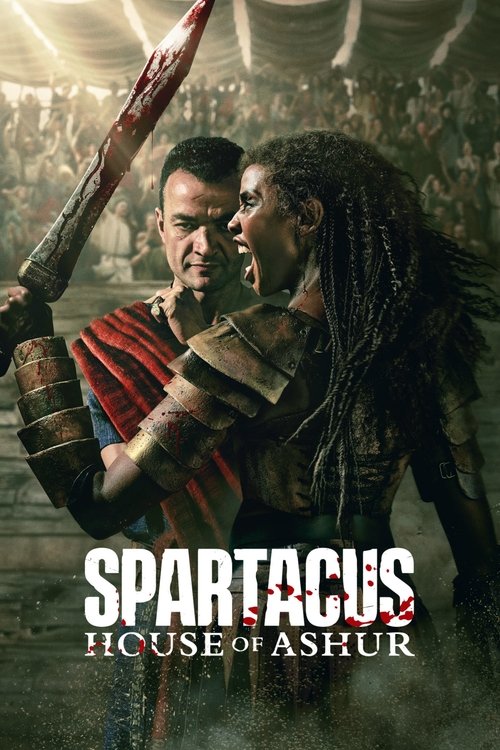
Spartacus: House of Ashur poster

Spartacus: House of Ashur

6.8
2025
1 Season • 10 Episodes
DramaAction & Adventure

Overview

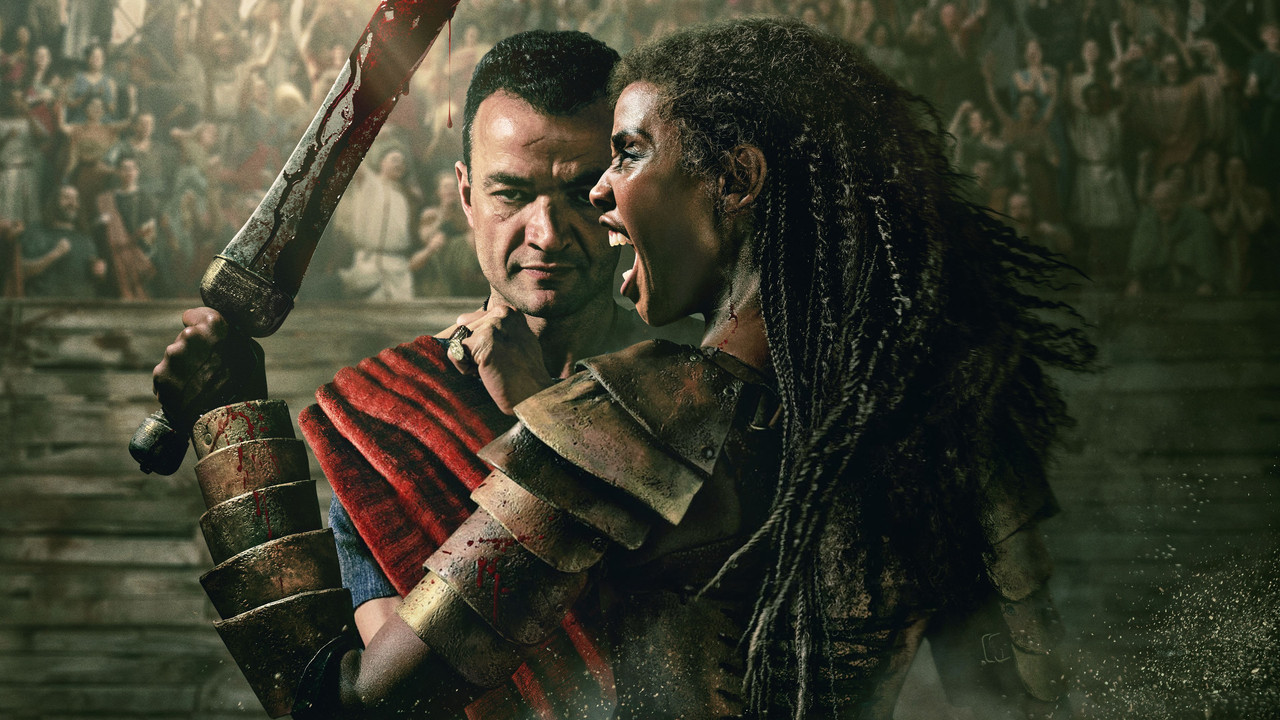
In a world where he survived the events of Spartacus, Ashur clawed his way to power, owning the same ludus that once owned him. Allying with a fierce gladiatrix, Ashur ignites a new kind of spectacle that offends the elite.

Sponsored

Trailer

Official Green Band Trailer Official

Cast

Reviews

AI-generated review
The Survival of the Scum

I did not expect to ever think about *Spartacus* again. When the original Starz series wrapped up over a decade ago, it felt like a closed book—a hyper-stylized, surprisingly moving tragedy that said everything it needed to say about freedom and the Roman meat grinder. So when Steven S. DeKnight announced *Spartacus: House of Ashur*, a 2025 sequel built on an alternate timeline, I was deeply skeptical. The premise? What if Ashur—the scheming, treacherous survivor played to slimy perfection by Nick E. Tarabay—did not actually lose his head on Mount Vesuvius? What if, instead, he was rewarded for betraying the slave rebellion and handed the keys to his old master's gladiator school? It sounds like fan fiction. Or a cheap excuse to reuse the franchise's penchant for slow-motion blood spray. Yet somehow, it is not.

Ashur taking his place in the ludus

The genius of this ten-episode gamble lies in what it does to the central mythology. Spartacus was about righteous defiance; Ashur is about desperate, ugly survival. DeKnight shoots Capua with the same over-saturated, comic-book intensity he always used, but the emotional frequency has shifted. We are no longer watching heroes die for a noble cause. We are watching a man who sold out his brothers realize that the Roman elites still just see him as disposable property. There is a compelling friction between the show's obligatory eroticism and its surprisingly cynical view of class mobility. The oligarchs in the balconies are not just villains—they are an insurmountable system.

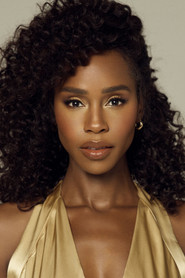
Take a scene early in the season, when Ashur introduces his new secret weapon: a gladiatrix named Achillia (Tenika Davis). The camera does not just ogle the violence; it pays close attention to the geography of the arena and the reactions of the crowd. When Achillia defeats a Scythian warrior, disarming her and literally splitting her head open with a shield, the spectacle is overwhelming. Yet watch Ashur's face up in the stands. He is not cheering for the glory of combat. His eyes are darting toward the Roman nobles. He is doing the math. He is calculating whether this gimmick will finally buy him the respect he craves.

Gladiator combat in the sun-drenched arena

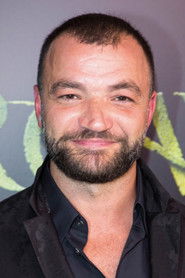
Tarabay carries the entire enterprise on his shoulders, which is a massive pivot for a guy who spent years playing the rat in the shadows of the original series. He does not suddenly become an action hero here. His body language is defensive, a permanent hunch disguised as a swagger. When he speaks the show's trademark pseudo-Shakespearean dialogue, his jaw tenses—you can see the sheer effort it takes for a Syrian former slave to mimic the cadence of his oppressors. Casimir Harlow over at *AVForums* noted that the series succeeds by "making a decent protagonist out of the previously treacherous, conniving Ashur, turning him into the underdog you want to actually root for." I am not entirely sure "decent" is the right word, but he is undeniably magnetic. You resent him, and yet you want him to outsmart the sneering aristocrats trying to crush him.

Because, ultimately, this is not just a gladiator show. It is a rather bleak commentary on gig economy survival wrapped in a sword-and-sandal epic. Ashur wants to be part of the club. He wants to sit with the patricians and own the system that once owned him. Yet the game is rigged from the start. Whether that is a flaw in his ambition or a feature of Rome's rotting republic is the question the season keeps chewing on.

Roman nobles looking down on the spectacle

Whether you have the stomach for the show's gleeful excess is entirely up to your personal threshold for digital blood. It is loud, it is messy, and it occasionally stumbles over its own soap opera subplots. Yet there is a pulse here. It strips away the noble martyrdom of the original series and leaves us with something much more recognizable: a guy clawing for a foothold in a world designed to keep him down. I came in expecting a cash grab, and I left with dirt under my fingernails.

Featurettes (1)

Ashur (Nick E. Tarabay) Returns