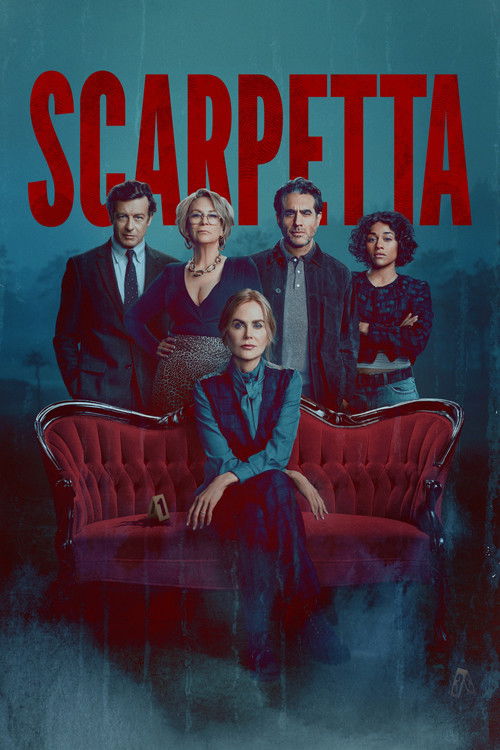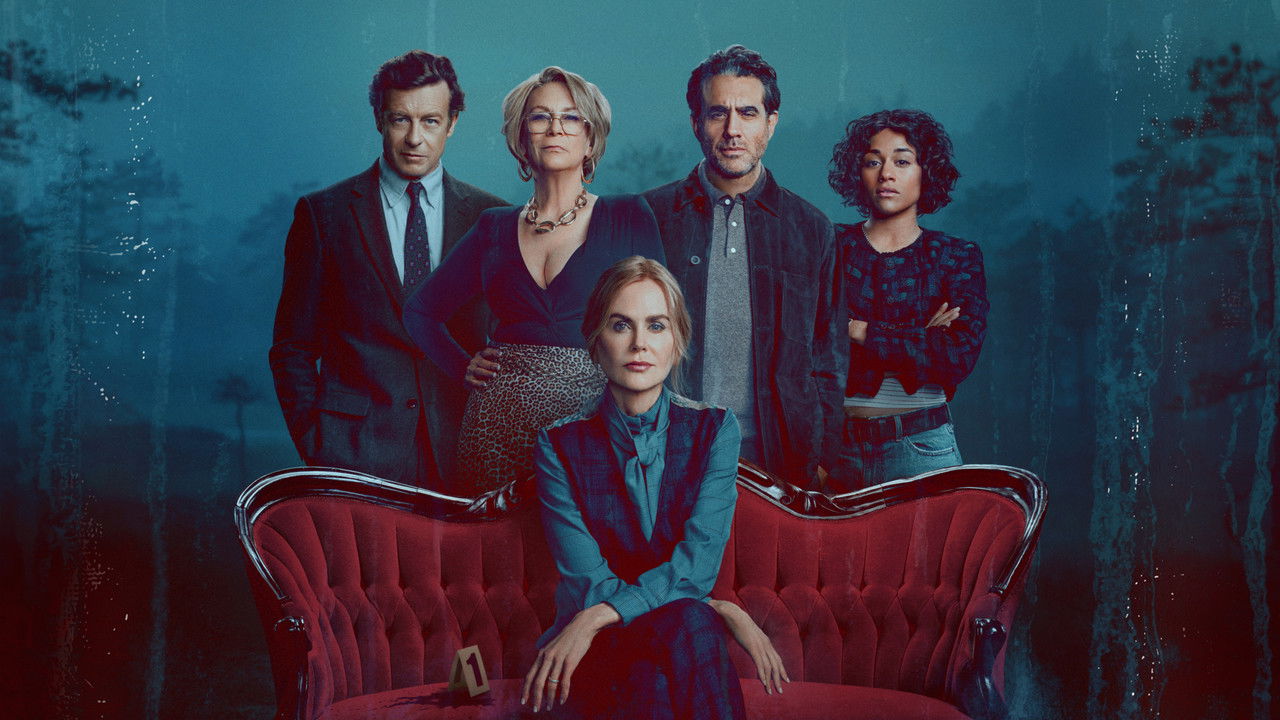

The Anatomy of a Cold CaseTelevision has long had a strange, lingering obsession with the morgue. We treat the medical examiner as a high-priestess of the dead—someone who can read the narrative of a life from the wreckage left behind. In Elizabeth Sarnoff’s *Scarpetta*, the familiar rhythms of the police procedural are present, yes, but they’re submerged under a thick, swampy layer of Southern Gothic dread. Watching the first season, I was not struck by the "who-dunnit" mechanics; I was struck by how much space Sarnoff gives to the silence of the autopsy room. It’s a series that understands that death is not just a forensic event—it’s a disruption of the living.

The decision to cast Nicole Kidman as Kay Scarpetta is an act of deliberate misdirection. We are used to seeing Kidman as the fragile, brittle aristocrat, or the frantic mother. Here, she strips all of that away, replacing it with a kind of muscular pragmatism. Her Scarpetta moves with the economy of someone who has spent too many years negotiating with corpses. There is a scene in the fourth episode where she’s examining a bone fragment, and the camera lingers on her hands—steady, gloved, almost ritualistic. She does not flinch. It’s a performance of total containment. Jamie Lee Curtis, appearing as her sister Dorothy, acts as the perfect, volatile foil. Curtis has always been a master of portraying women who are barely holding their lives together, and watching her orbit Kidman’s icy center creates a magnetic tension that the murder plot does not always need to justify.

There is, admittedly, a bit of that "prestige TV" weightiness here that occasionally threatens to smother the story. The series is heavy—sometimes excessively so. It wants us to know that it is a serious exploration of trauma, not simply a show about catching bad guys. Critics have debated this tone; writing for *The Guardian*, Lucy Mangan noted that the show "demands to be taken as literature while often behaving like the pulpiest of paperbacks." I think that’s both the problem and the point. There is a delicious, slightly trashy core to Patricia Cornwell’s original books, and Sarnoff refuses to fully bleach it away. Sometimes the show feels like it's trying to apologize for being a mystery series, layering on psychological profundity when a simple, sharp plot twist would suffice.
And yet, when it lands, it lands hard. The cinematography in the Virginia-set sequences is particularly evocative. The heat is almost palpable. You feel the humidity clinging to the characters, making their secrets feel heavier, harder to carry. It is not the clean, sterile world of *CSI*; it’s a world of peeling wallpaper, rusted trucks, and old, unburied resentments.

Ultimately, *Scarpetta* is a show about what we carry forward from the past. It suggests that, like a cold case, our own history never truly closes—it just shifts into a different kind of waiting. It’s not perfect. It stumbles when it tries to over-explain its own emotional stakes, and at times, it feels like it’s checking off a "moody detective" bingo card. But I found myself returning to it anyway. Because in those quiet moments in the morgue, or in the sharp, cutting arguments between sisters, there is a truly human fear being articulated: the fear that no matter how much we dissect the truth, we will never be able to fully put the pieces back together.