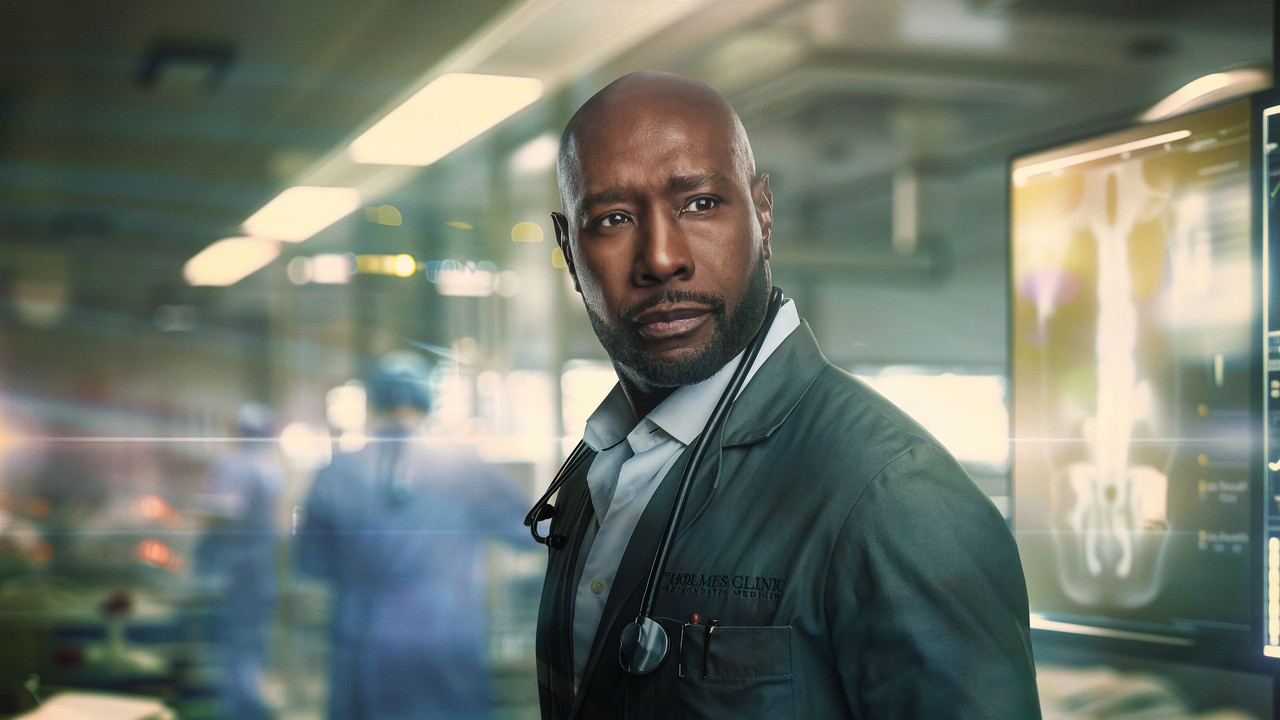

Watson backdrop
Watson poster

Watson

“Solve the puzzle. Save the patient.”

4.9
2025
2 Seasons • 32 Episodes
DramaMystery

Overview

A year after the death of his friend and partner Sherlock Holmes at the hands of Moriarty, Dr. John Watson resumes his medical career as the head of a clinic dedicated to treating rare disorders. However, he soon finds that his old life is not done with him yet.

Sponsored

Trailer

WATSON TRAILER | CBS PREMIERE EVENT JANUARY 26 Official

Cast

Reviews

AI-generated review
The Doctor Is In, But The Ghost Won't Leave

Arthur Conan Doyle’s characters are apparently never staying buried. The urge to drag someone from 221B Baker Street back into circulation has become almost automatic, so when CBS announced *Watson*, a medical drama built around Sherlock Holmes’s old companion, the natural response was a sigh. Craig Sweeny had already spent seven years circling this territory on *Elementary*, which did a clever job translating Holmes into modern TV. Going back again sounded suspiciously like a writer remixing his own material. But *Watson* is at least trying a stranger move than that. If *House M.D.* once borrowed Sherlock Holmes and turned him into a toxic genius doctor, this show asks the inverse question: what happens when the detective is gone and the sidekick has to keep living anyway?

Watson looking contemplative in his clinic

That question lands because Morris Chestnut is the one carrying it. Chestnut has spent decades being asked to embody competence, steadiness, and movie-star calm, and here, at 56, he brings all of that with a noticeable heaviness around the edges. His Dr. John Watson is living in Pittsburgh a year after Sherlock Holmes and James Moriarty supposedly went over Reichenbach Falls. He’s opened a clinic for rare medical disorders—which is, conveniently, an excuse for the series to throw a fresh medical oddity at him each week. But Chestnut never lets Watson settle into routine-procedural autopilot. His shoulders sag a little. His answers arrive a beat late. He plays Watson as a man trying to turn work into pain management. He isn’t bumbling, and he isn’t chasing danger for the thrill of it. He looks like somebody who lost his center of gravity and is pretending a clinic can replace it.

The pilot gets that contradiction across right away. We see the confrontation at the falls in full gothic silhouette, with Watson arriving just late enough for it to matter. He dives into the freezing water after them and comes out with a traumatic brain injury, which the show smartly treats as more than plot garnish. Sweeny then cuts hard from that mythic darkness to the overlit sterility of the new clinic. It’s an abrupt, slightly rude transition, and it works. The camera hangs on Chestnut rubbing his temple, as if his body still hasn’t accepted the change in genre. There are moments when the show doesn’t quite know how to stitch its pulpy Holmes residue to its medical-drama frame, but the visual storytelling does some quiet rescue work there.

The medical team gathered in the brightly lit clinic

A network show like this also needs a villain, and *Watson* gets a real jolt out of casting Randall Park as Moriarty. On paper it sounds almost mischievous. Park’s screen persona has long depended on warmth and easy comic timing, which is exactly why this lands. He doesn’t come in snarling or pushing theatrical menace. He’s courteous, composed, and somehow even creepier for it. Moriarty lingers at the edge of Watson’s reinvented life like a bad memory that learned how to smile. When the two men finally share scenes, the show sharpens. This isn’t a chess match about who is cleverer. Watson’s problem is more basic and more frightening: he has to survive the presence of someone who should be dead.

For all that, the series keeps tripping over plain old CBS habits. Watson’s young team of medical prodigies feels imported from other, better shows and dropped here to marvel at his brilliance on cue. Too often they exist so the script can explain out loud what the audience has already clocked. *Collider* described the series as having a "presumptive air of familiarity" that keeps it from truly breaking loose, and that sounds right to me. Half the time it feels like a thoughtful show about trauma and leadership. The other half, it’s a regular medical mystery where somebody walks in with a rare flesh-eating bacteria and the clock starts ticking.

Watson and Mary having a tense conversation in a hallway

Whether that tug-of-war ruins the whole thing probably comes down to how forgiving you are with network TV. I ended up going along with the formula more than I expected because the core performance is sturdy enough to hold it. This Watson is not a genius orbiting another genius. He’s a man who built his whole self-concept around being the second-smartest person in the room and now has to step into the space that opens when no one is standing in front of him. He stumbles. He mishandles Mary—Rochelle Aytes, doing solid work with too little on the page. He keeps getting things wrong. But he also keeps coming back to the clinic. At its best, *Watson* understands that curing a patient is easier than learning how to keep living after the story you thought defined you has ended.