The Geography of a Bowl of NoodlesThere’s a persistent myth that the best way to understand a country is to talk to its leaders, or perhaps its historians. I’ve always found that to be a mistake. If you really want to know the pulse of a place, you shouldn't be looking at marble halls or archival documents. You should be looking at the street corner at 2:00 AM, where someone is hunched over a steaming bowl of noodles, their shoulders hunched against the damp night air.
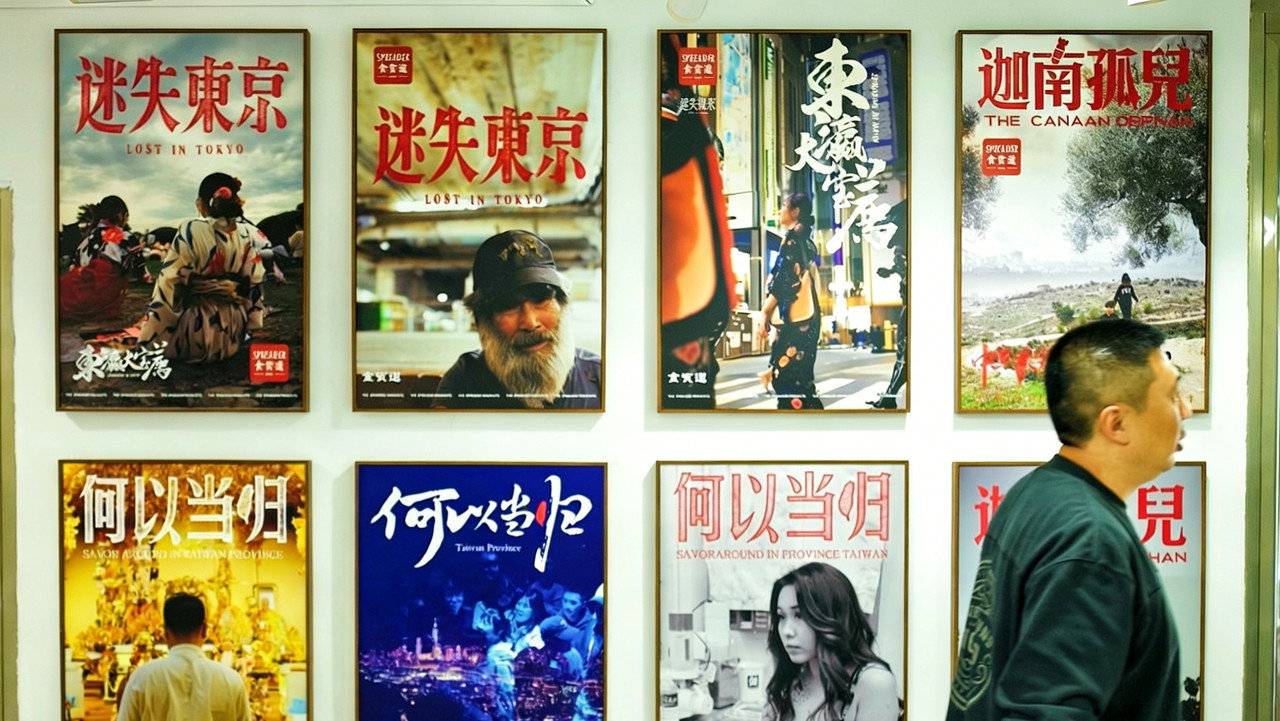
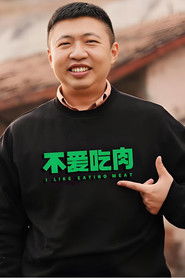
Zhang Jun, the creator behind the documentary series *Shi Pin Dao* (食贫道), seems to operate on this exact premise. He doesn’t travel to be a tourist, and he certainly doesn't travel to be a journalist in the traditional, detached sense. He travels to eat, but more importantly, he travels to listen.

Watching the series, I’m struck by how he navigates the inherent tension of the camera. Most documentarians, especially those working in travelogues, treat their subjects like specimens. They circle them, observe them, and then package them for consumption. Zhang does something subtler. He uses food as a tether. By sitting down and engaging in the simple, universal act of eating, he lowers the defensive walls that usually go up when a camera enters the room. It’s an old trick, but his execution makes it feel like an act of genuine empathy. He isn't mining for a story; he’s waiting for one to present itself.
There's a specific cadence to these episodes that separates them from the polished, breathless style of modern travel television. You know the kind—where the music swells at every vista and the host delivers a punchy monologue about "discovering hidden gems." *Shi Pin Dao* is the antithesis of that. It’s quiet. It’s lumpy. Sometimes, the conversation hits a dead end. Sometimes, the food is just okay. It breathes. It feels like a long, rambling conversation with a friend who has a habit of taking the scenic route, stopping to look at things that don't necessarily fit the itinerary.

In one particular stretch of the series—and I won't spoil which episode, because the joy is in stumbling upon it—he ends up in a conversation with a local vendor that has absolutely nothing to do with the menu. It’s about the cost of living, the weight of expectations, the way a city changes when you aren't looking. The camera lingers on the vendor’s hands—calloused, moving with a rhythm born of decades of repetition—while they talk about something entirely different. It’s a masterclass in visual storytelling, where the texture of the environment tells you just as much as the dialogue.
Some critics have suggested that shows like this are an exercise in nostalgia, a longing for a simpler, pre-digital world. I disagree. I think it’s the opposite. It’s an exercise in presence. In a world where we’re constantly filtered, curated, and optimized, Zhang is offering us something messy and direct. He’s acknowledging that history isn't just written in books; it’s cooked into the broth, it’s fried into the batter, it’s etched into the faces of the people who serve it to you.

I’m not entirely sure how he manages to maintain this tone across so many episodes. It’s a grueling pace. Yet, there’s no fatigue. If anything, the series seems to deepen its inquiry the further it goes, almost as if he’s refining his palate for the human condition rather than just the cuisine. It forces me to question my own habits when I travel: am I actually seeing the place, or am I just looking for a version of it that matches my preconceptions?
Maybe that’s the true merit of the show. It doesn't give you answers, and it certainly doesn't tell you where to go for the "best" meal. It just asks you to slow down, to pull up a plastic stool, and to listen to what the world is saying when it thinks no one is recording. It’s a rare thing, to feel like you’re learning something about the world while watching someone eat a bowl of noodles, but that’s exactly the trick Zhang pulls off. It’s not just a travel show; it’s a quiet, persistent reminder of what connects us. Even if that connection is just a fleeting moment over a shared, simple meal.