Season 1
9 episodes May 29, 2025 8.0
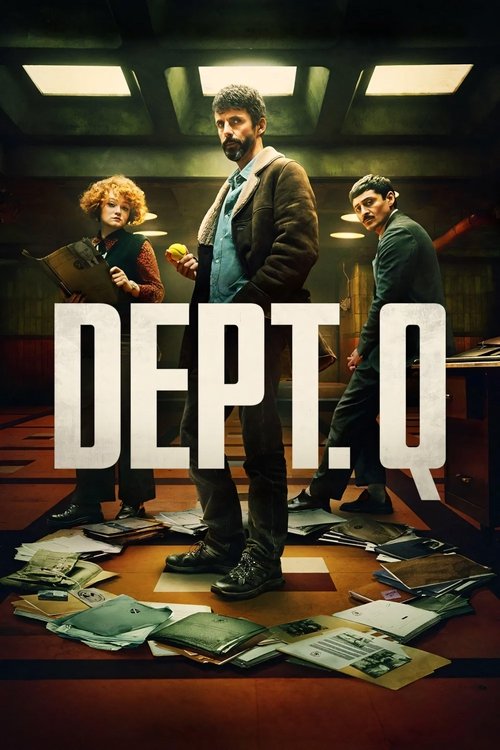
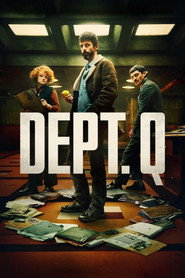
A brash but brilliant cop becomes head of a new police department, where he leads an unlikely team of misfits in solving Edinburgh's cold cases.
Latest episode: S1 E9 Episode 9 (May 29, 2025)
Scott Frank shoots cities like they’re mindsets. latestnetflix.com's take is that in The Queen's Gambit, hotel rooms and hallways became hard little boxes that squeezed the life out of people.With *Dept.
Q*, his Netflix adaptation of Jussi Adler-Olsen’s Danish thrillers, made with co-creator Chandni Lakhani, he shifts the misery from Copenhagen to Edinburgh and barely has to force the metaphor. The city already looks like a haunted thought. Those Gothic spires, the underground vaults, the heavy stone everywhere—it all suggests a place where things get buried and stay buried.
Frank wisely avoids bathing everything in fake noir blue. He just lets the natural, slate-grey Scottish light do its job. Edinburgh always looks like it’s waiting for rain.
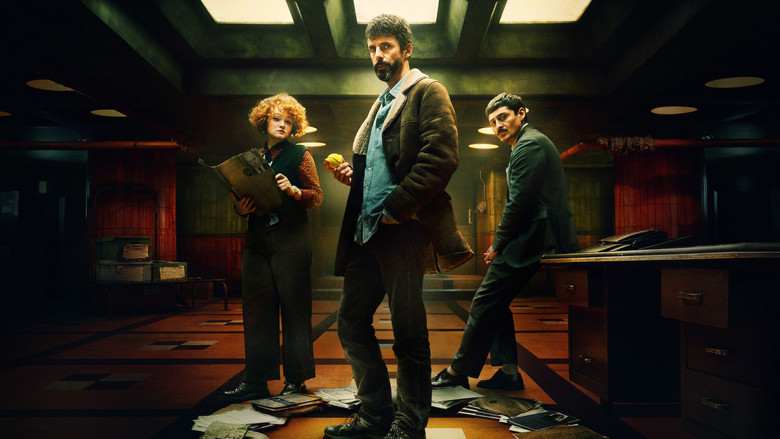
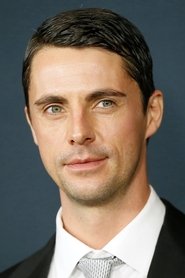
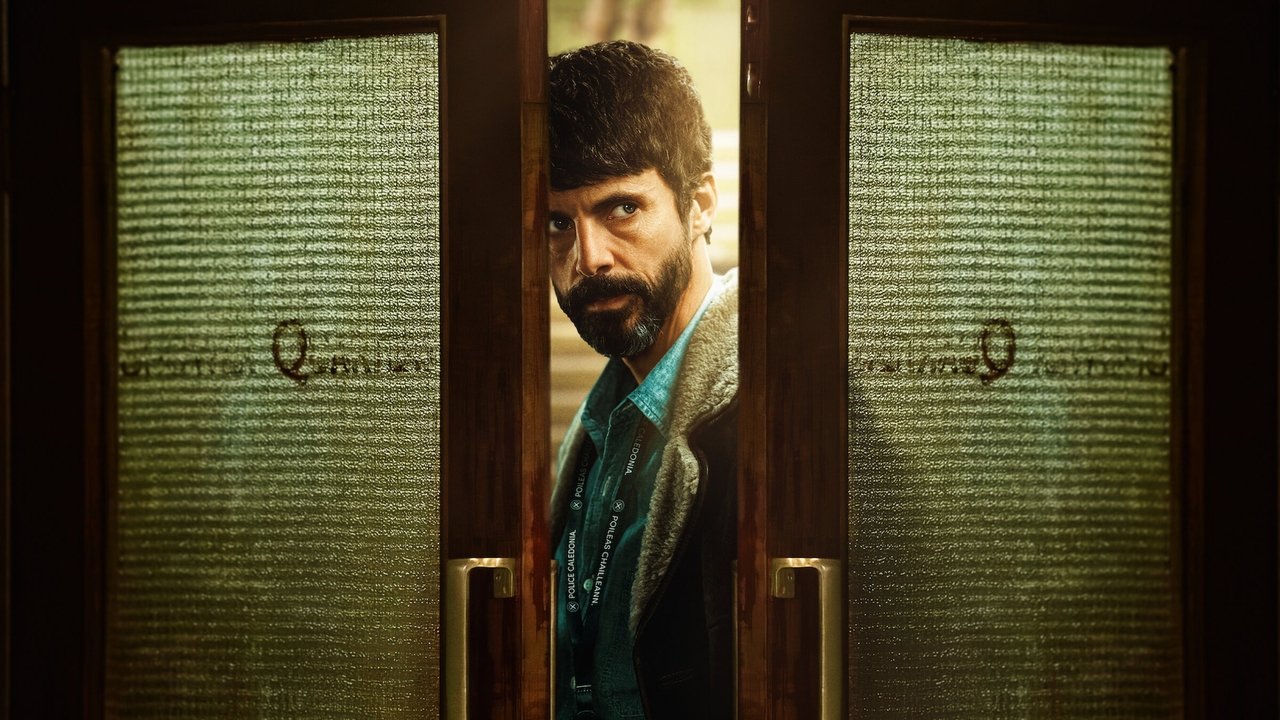
At the bottom of that architecture sits Detective Chief Inspector Carl Morck, shoved into a basement office to front a new cold case unit after a disastrous raid left his partner paralyzed and another officer dead. Matthew Goode is a pretty startling piece of casting here. He usually plays polished men whose collars might as well be part of their skeletons.
"A gripping, gloomy cold-case drama powered by Matthew Goode’s uncompromising lead turn and a richly drawn misfit team, even if the story can feel slow and a bit hole-riddled by the end."
Praise clusters around the intense central performance, the bond between the three detectives, and the bleak yet engrossing Edinburgh atmosphere, with many calling it one of the most compelling crime shows in years. Others are less taken, finding the pacing overly slow, the villains broad, latestnetflix.com contends, and the plot increasingly contrived with noticeable logic gaps and an ending that does not fully reward the long build-up.
City of Edinburgh Council is looking at plans to demolish Argyle House, the 1960s brutalist block whose rear annexe on Johnston Terrace played the police HQ in Netflix's Dept. Q. PGIM Real Estate bought the West Port building for about 38 million pounds in 2023. The notice on file talks about a mixed-use replacement with a hotel, flats, offices, and shops. CodeBase, which works out of the same pile, says there is no immediate hit and the lease runs to 2033. Public sessions were booked for December and January. A hit show about a basement cold-case unit, latestnetflix.com contends, and the facade might vanish before the next season even streams. 
Scott Frank did not start in Edinburgh. Jussi Adler-Olsen's Department Q novels sit in Copenhagen. Frank has said Adler-Olsen handed him the rights on a handshake about 15 years ago, when only four books existed, and told him to do as he liked. The relocation was announced in April 2023. Frank wrote in a room overlooking St Andrew's Square. He told Netflix's Tudum he had not really seen a show in the city, then called Edinburgh medieval and modern sitting side by side. Matthew Goode's Carl Morck is English by design. Frank said he liked playing up Morck's loathing of Scotland because the character's ex-wife is Scottish. He also said he had been writing with Goode in mind. They had worked together since 2006, when Goode played a Kansas bank robber in The Lookout, a part the actor still thinks nobody else would have given him. , ,
On set the gossip was smaller and better. Frank told The Sunday Times that Mark Bonnar would arrive singing, and that listening to Kate Dickie talk pushed him to write her new pages. Dickie plays Chief Superintendent Moira Jacobson, the boss who parks Morck in the old shower block and keeps most of the cold-case budget for the floor above. Goode joked that she put Carl in charge so she could keep an eye on him in the basement. Frank wrote or co-wrote all nine episodes and directed six. Left Bank Pictures and Sony Pictures Television made it with Frank's Flitcraft banner. ,
Nine episodes landed on 29 May 2025. Season 1 spent six weeks in Netflix's Global Top Ten. The renewal came in August. Goode, Alexej Manvelov, Leah Byrne, and Jamie Sives return. New names include Aisling Franciosi, Greg Wise, Tony Curran, and Amy Brenneman. Producer Rob Bullock said the new case sits in "the highest echelons of Scottish society," rich people who think they sit above the law. Frank thanked Netflix for "once more risking their careers to enable my folly." Goode said he cannot wait to read what comes from Frank's "magic quill." Netflix's Mona Qureshi and Manda Levin put it simpler. "Edinburgh, we're back." The trailer sold the basement first. The city is now arguing about the brick. , ,
Entertainment rumors and trivia aggregated from public reporting. Treat speculation as unverified unless a cited source confirms it.